 Save It
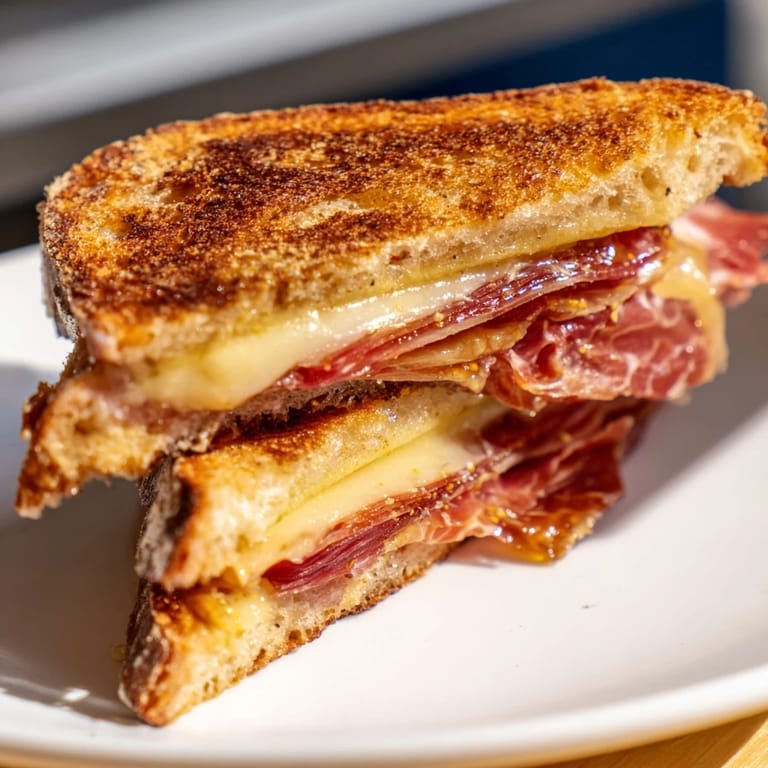
 I was rifling through the fridge one rainy afternoon, trying to salvage a lonely hunk of bread and some odds and ends from the deli drawer. That's when I spotted the fig jam my neighbor had given me weeks ago, still unopened. I slapped together prosciutto, cheese, and a thick smear of that jam, pressed it in a hot skillet with way too much butter, and watched it turn into something embarrassingly delicious. My partner walked in, took one bite, and declared it better than anything we'd ordered out in months. I've been making it ever since, usually when I want to feel fancy without actually trying.
The first time I made this for friends, I panicked because I didn't have a panini press. I just used a heavy cast iron skillet on top of another skillet and pressed down hard with a towel-wrapped hand. It worked perfectly, the bread crisped up like a cracker, and everyone assumed I knew what I was doing. One friend even asked if I'd been holding out on secret chef skills. I laughed and told her it was pure desperation and butter, which is honestly the foundation of most good cooking.
Ingredients
- Rustic Italian bread: Ciabatta or sourdough holds up to the press without turning into mush, and the crust gets shatteringly crisp.
- Fig jam: This is the magic ingredient that balances all the salt, use a thick, chunky one if you can find it.
- Fontina cheese: It melts like a dream and has a buttery, nutty flavor that doesn't overpower the prosciutto.
- Prosciutto: Thin, salty, and just fatty enough to melt slightly into the bread as it cooks.
- Unsalted butter: Softened butter spreads easily and crisps the bread without burning, don't skip this step.
Tired of Takeout? 🥡
Get 10 meals you can make faster than delivery arrives. Seriously.
One email. No spam. Unsubscribe anytime.
Instructions
- Get your press or skillet hot:
- Preheat your panini press or set a large skillet over medium heat. If you're using a skillet, find something heavy to press down with later.
- Build the sandwiches:
- Spread fig jam generously on two slices of bread, then layer on the prosciutto and cheese. Top with the remaining bread slices and press down gently so everything sticks together.
- Butter the outsides:
- Smear softened butter on both outer sides of each sandwich, making sure you get all the way to the edges. This is what makes the crust golden and addictive.
- Press and cook:
- Place the sandwiches in the press or skillet, pressing firmly if using a pan. Cook for 3 to 4 minutes per side until the bread is deeply golden and the cheese is fully melted and oozing.
- Slice and serve:
- Cut each sandwich in half while it's still hot. Serve immediately, because the cheese is at its stretchiest and the bread is at peak crispness.
 Save It
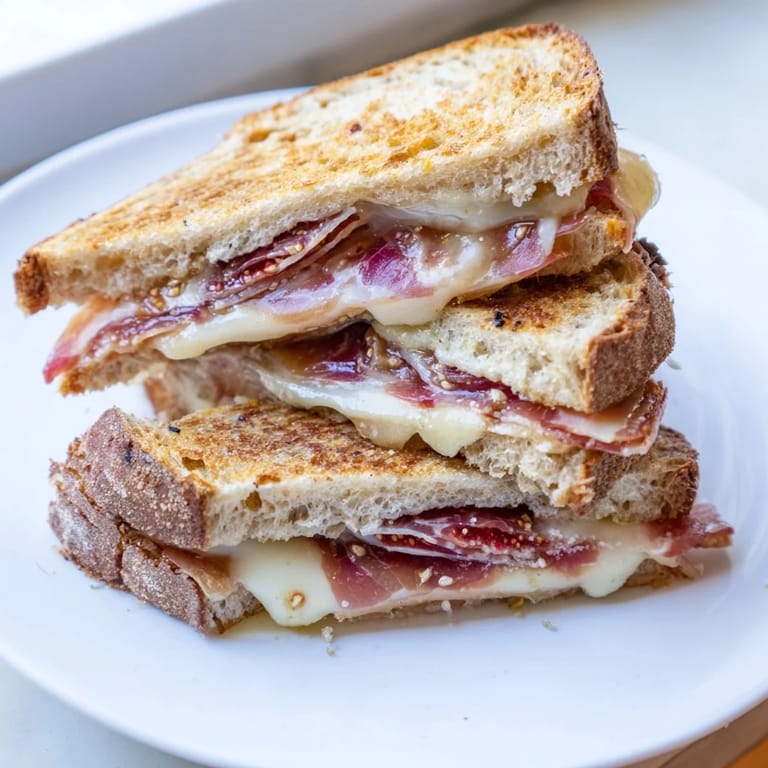
 I made this for my mom once after she'd had a rough week, and she sat at the counter in silence, just eating and nodding. When she finished, she looked up and said it reminded her of a café in Florence she visited decades ago. I have no idea if that's true or if she was just being nice, but either way, it's the kind of sandwich that makes people pause and remember something good.
Choosing the Right Bread
You want something sturdy with a good crust, because flimsy sandwich bread will just compress into a sad, soggy square. Ciabatta has those big air pockets that get crispy outside and stay tender inside. Sourdough works too, especially if it's a day old and slightly dried out, it toasts up beautifully and doesn't fall apart under pressure.
Cheese Substitutions That Work
Fontina is my go-to because it melts so smoothly, but mozzarella gives you that stretchy pull and taleggio adds a funky, creamy richness. Brie is surprisingly good if you're feeling fancy, it oozes everywhere and tastes like you tried way harder than you did. Goat cheese is tangy and bold, though it doesn't melt the same way, so pair it with something creamier if you go that route.
Making It Without a Panini Press
A heavy skillet or a foil-wrapped brick works just as well as any press. I've used a second cast iron pan, a pot filled with water, even a stack of plates wrapped in a towel. The key is steady, firm pressure so the bread makes full contact with the heat and crisps evenly.
- Preheat your skillet properly so the bread doesn't stick or cook unevenly.
- Press down hard for the first minute, then ease up slightly so the cheese has room to melt.
- Flip carefully with a wide spatula so the sandwich doesn't fall apart mid-turn.
 Save It
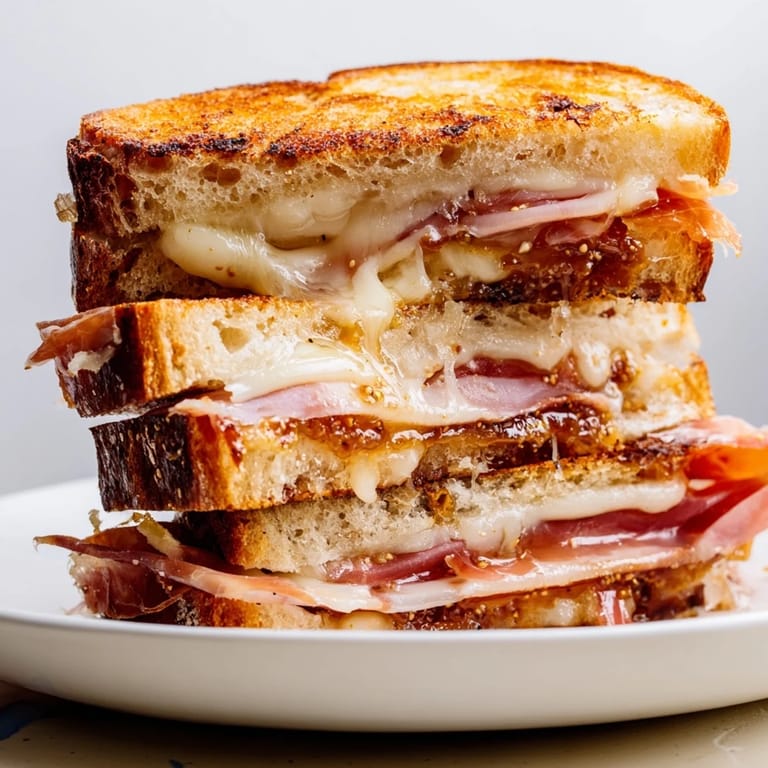
 This sandwich has pulled me out of more lunch ruts than I can count, and it's become the thing I make when I want to feel like I have my life together. It's simple, it's indulgent, and it never fails to make me slow down and actually enjoy eating.
Recipe FAQs
- → What type of bread works best for this sandwich?
Rustic Italian breads like ciabatta or sourdough are ideal as they hold up well when pressed and offer a crunchy texture.
- → Can I substitute the cheese used?
Yes, fontina is suggested but mozzarella, taleggio, brie, or goat cheese also complement the flavors well.
- → How should I cook the sandwich without a panini press?
Use a large skillet over medium heat, pressing the sandwich down with a spatula or weighted lid to achieve a crisp crust.
- → Is there a way to add extra flavor before cooking?
Adding fresh arugula or a sprinkle of black pepper inside before pressing adds a subtle peppery and fresh note.
- → What beverage pairs well with this dish?
A crisp Italian white wine or a light red wine pairs perfectly with the rich and sweet flavors.