 Save It
 The first time I truly understood fondue wasn't from watching it bubble away at some fancy dinner party, but from the sound it made—that gentle, contented murmur of melted cheese meeting wine in a modest pot in a friend's kitchen. She'd learned the recipe from her grandmother's notebook, written in careful Swiss German, and as we stirred in those figure-eight motions, the whole room filled with this warm, yeasty aroma that made everyone gravitate toward the table without being asked. There's something almost meditative about fondue; it forces you to slow down, to gather around, to actually talk to the people beside you instead of disappearing into your phone. That evening, I realized this wasn't just a dish—it was an invitation to be present.
I remember my mom attempting fondue for the first time without a proper pot, using a small ceramic bowl balanced over a candle, which, in retrospect, was a bit dangerous but absolutely charming. The cheese seized up halfway through because she'd added it too fast, and instead of panicking, she just poured it back into a saucepan, started over, and by her own admission, made a better batch the second time. That taught me more about cooking than any perfect recipe—sometimes the mess teaches you more than the success.
Ingredients
- Gruyère cheese, 200 g grated: This is your workhorse cheese—nutty, a little salty, it melts like silk if you're patient with it.
- Emmental cheese, 200 g grated: Think of this as the generous, slightly sweeter counterpart to Gruyère; together they create this perfect balance of depth and approachability.
- Dry white wine, 1 cup: Don't use anything you wouldn't drink—the wine is the backbone here, adding acidity that keeps the cheese from becoming a gloppy mess.
- Kirsch, 1 tbsp (optional): Cherry brandy sounds fancy, but it's really just a little secret that rounds out the flavor; honestly, you can skip it if you can't find it, but hunt for it if you can.
- Cornstarch, 1 tbsp: This small amount prevents the cheese from separating and breaking, a trick I learned after more than one disaster.
- Garlic clove, halved: You're not cooking this, just using it to perfume the pot—a gentle whisper of garlic, nothing more.
- Freshly grated nutmeg and ground white pepper: These finishing touches add warmth without shouting; they're the difference between good fondue and fondue that makes people wonder what the secret ingredient is.
- Bread, cut into bite-sized cubes: Slightly stale bread won't fall apart on the fork—this detail matters more than you'd think.
- Vegetables for dipping: Blanch your broccoli and cauliflower just until they're tender-crisp; the colors stay brighter, and they hold their shape on the fork.
Tired of Takeout? 🥡
Get 10 meals you can make faster than delivery arrives. Seriously.
One email. No spam. Unsubscribe anytime.
Instructions
- Season your pot:
- Rub the inside of your fondue pot with that cut garlic clove, then discard it—you want the scent, not chunks of garlic hiding at the bottom. This little step is worth doing properly.
- Warm the wine slowly:
- Pour in your white wine and let it heat gently over medium-low heat until it's just barely simmering. You'll see tiny bubbles breaking the surface; that's your signal to move to the next step.
- Coat the cheese:
- In a separate bowl, toss your grated cheeses with the cornstarch until every strand is lightly dusted—this prevents the cheese from clumping and separating. It's a small gesture that prevents a lot of disappointment later.
- Add cheese gradually:
- This is where patience becomes your best ingredient; add the cheese a handful at a time, stirring constantly in that classic figure-eight motion. The cheese will melt smoothly if you give it time to integrate with the wine rather than dumping it all in at once and hoping for the best.
- Season and finish:
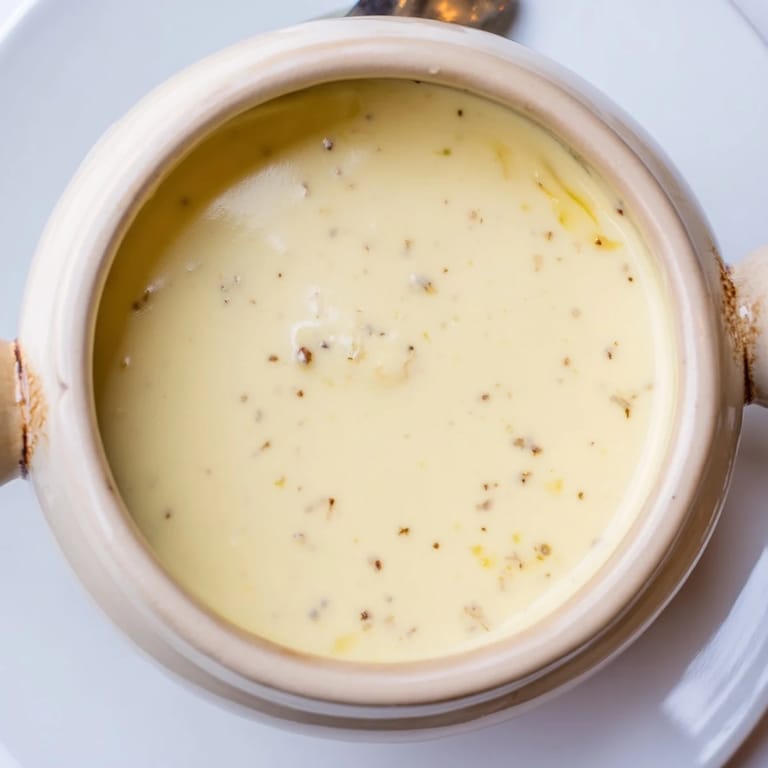
- Once everything is melted and creamy, stir in the kirsch (if using), nutmeg, and white pepper—taste it, adjust, then transfer to your fondue pot over the tabletop burner. Keep that heat low; you want it warm and cooperative, not hot and aggressive.
- Set up for dipping:
- Arrange your bread cubes and blanched vegetables on a platter around the fondue pot, provide everyone with a fondue fork, and let the gathering begin. This is the part where the cooking is mostly done and the real magic—the conversation, the laughter, the shared meal—takes over.
 Save It
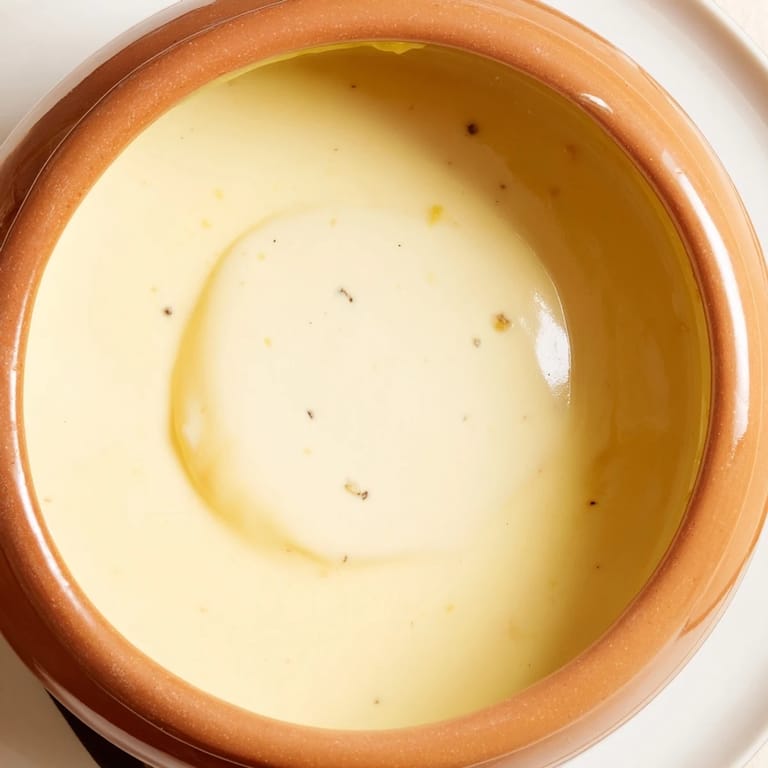
 There's a moment during fondue that I love more than the first bite—it's when someone takes their fork out of the pot and the cheese stretches in that long, glossy strand between the fork and the pot, and everyone at the table goes a little quiet, watching it. It's such a small, ordinary thing that somehow feels ceremonial, a tiny moment where food becomes theater. That's when I know the evening is going to be good.
Making It Your Own
Fondue is one of those dishes that begs for personalization without needing permission. I've seen people add a pinch of fresh thyme, swap half the wine for apple cider, or add a touch of Dijon mustard for a subtle tang. One friend swears by adding a tiny bit of smoked paprika, which sounds odd but somehow works brilliantly. The beauty is that once you understand the basic ratio and technique, you have freedom to play with it, to make it reflect your pantry and your mood.
The Right Equipment (and Why It Matters)
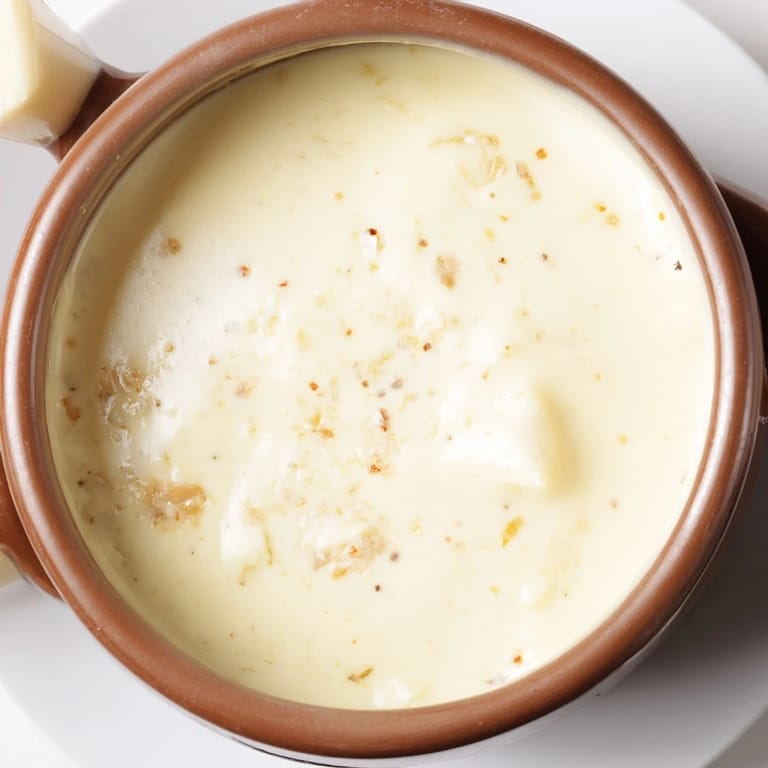
A traditional fondue pot, or caquelon, isn't just aesthetic—it's actually designed to distribute heat evenly and keep the fondue at the right temperature without a burner underneath that could scorch the bottom. If you don't have one, a heavy-bottomed saucepan will work, but you'll need to be more vigilant about heat control. Fondue forks are lightweight and long for a reason: they let people lean in and engage with the pot while keeping their hands and faces at a safe distance from the heat.
Drinks and Sides That Complete the Picture
Fondue isn't meant to be eaten standing up or in silence, and the same goes for what you drink alongside it. A dry white Swiss wine like Fendant is traditional because it echoes the wine in the fondue and cleanses the palate between bites. If wine isn't your thing, a crisp lager beer works beautifully, or even sparkling cider if you're keeping it alcohol-free. The wine or beer becomes part of the ritual, another thing shared around the table.
- Skip heavy red wines—they'll clash with the creamy cheese and make the whole experience feel heavier than it should be.
- Have extra bread cubes on hand because people always eat more than they think they will, and running out is its own kind of tragedy.
- Blanch your vegetables ahead of time so you're not scrambling in the kitchen while everyone's waiting to eat.
 Save It
 Fondue is more than a recipe; it's an excuse to gather, to slow down, and to eat something warm and comforting while being completely present with the people around you. Make it, share it, and watch how something so simple becomes the highlight of the evening.
Recipe FAQs
- → Which cheeses are ideal for this dish?
Gruyère and Emmental cheeses provide the perfect balance of flavor and meltability, creating a smooth and rich blend.
- → What role does the white wine play in preparation?
Dry white wine gently heats and thins the cheese mixture, adding acidity that enhances flavor and texture.
- → Can kirsch be omitted if unavailable?
Yes, kirsch is optional but adds depth and a subtle cherry flavor; omitting it won’t compromise the overall dish.
- → What dipping options complement this dish?
Cubes of rustic bread, blanched broccoli, cauliflower, cherry tomatoes, and baby carrots provide varied textures and fresh flavors for dipping.
- → How to maintain a smooth, creamy texture?
Constantly stir the cheese in a figure-eight motion over low heat, and gradually add it to the warm wine to avoid clumps.
- → Can I substitute other cheeses for stronger flavor?
Yes, incorporating Appenzeller or other Swiss cheeses can enhance the flavor profile for a more intense taste.