 Save It
 The first time I made pumpkin mac and cheese was purely accidental. I'd grabbed what I thought was butternut squash puree from the pantry, dumped it into my roux, and by the time the cheese started melting, I realized my mistake—or rather, my happy accident. The nutmeg hit first, then this warm, almost savory sweetness that made the whole kitchen smell like autumn had moved in. My roommate came home, sniffed the air, and said, "What is that?" and I had to admit I had no idea what I'd created. Turns out, it was exactly what we both needed that September evening.
I made this for a Halloween potluck last year, and it was one of those rare moments where a side dish got more compliments than the main. Someone asked if it was gluten-free, someone else wanted the recipe before they'd even finished their plate, and my friend Marcus—who normally avoids anything "fancy"—went back for thirds. That's when I realized this wasn't just a clever twist; it was genuinely delicious to people who didn't care about being clever at all.
Ingredients
- Elbow macaroni or small pasta shells (340 g / 12 oz): The small shapes trap the sauce better than long pasta, and you want every bite to have that creamy, pumpkin-cheese coating.
- Unsalted butter (2 tablespoons): This is your base for the roux—don't use salted butter or you'll oversalt the sauce.
- All-purpose flour (2 tablespoons): This thickens the sauce into something that clings to the pasta instead of pooling at the bottom.
- Whole milk (480 ml / 2 cups): Full-fat milk makes a difference here; it's richer and less likely to break when you add the cheese.
- Sharp cheddar cheese, shredded (200 g / 2 cups): Sharp is key—mild cheddar will disappear into the pumpkin, but sharp stands up and adds that aged, tangy backbone.
- Unsweetened pumpkin puree (120 g / ½ cup): Double-check the label; it should say only pumpkin, not pumpkin pie filling with added spices.
- Grated Parmesan cheese (30 g / ¼ cup): This adds a salty, umami punch that keeps the sauce from tasting one-dimensional.
- Salt (½ teaspoon): You'll taste it more as you go, so start here and adjust at the end.
- Ground black pepper (¼ teaspoon): Freshly ground makes a real difference in how the spices bloom.
- Ground nutmeg (¼ teaspoon): This is subtle but essential—it's what makes people say, "What is that flavor?" and then guess anything but pumpkin.
- Smoked paprika (¼ teaspoon, optional): If you use it, it adds a whisper of smoke that deepens the whole dish without announcing itself.
Tired of Takeout? 🥡
Get 10 meals you can make faster than delivery arrives. Seriously.
One email. No spam. Unsubscribe anytime.
Instructions
- Start the oven if you're going crispy:
- Preheat to 190°C (375°F) if you're planning to top this with panko and bake it golden. If you're eating it straight from the pot, skip this step.
- Get the pasta tender:
- Boil a large pot of salted water—it should taste like the sea. Stir the pasta a few times so it doesn't stick, then cook until it's just tender enough to bite through, about two minutes before the package says it's done. You want it to have a tiny bit of resistance because it'll soften more in the sauce.
- Build your roux:
- Melt the butter in a large saucepan over medium heat, watching for the foam to settle. Add the flour and whisk constantly for a minute or two until it stops looking grainy and starts to smell a little nutty—that's the roux cooking out and losing its raw flour taste.
- Coax the milk into creaminess:
- Whisk in the milk slowly so no lumps form, then keep stirring as the heat rises. You're looking for it to thicken just enough to coat a spoon, about three to four minutes. If lumps appear, keep whisking; they usually smooth out.
- Fold in the cheese and pumpkin:
- Lower the heat so the sauce is barely bubbling, then add the cheddar, Parmesan, pumpkin puree, salt, pepper, nutmeg, and paprika. Stir until everything melts together into something silky and golden. Taste it and adjust the salt if it needs it—trust your palate here.
- Marry the pasta to the sauce:
- Drain the pasta and add it to the sauce, stirring gently until every piece is coated. If the sauce seems too thick, thin it with a splash of reserved pasta water—a tablespoon or two usually does it.
- Make it golden if you want to:
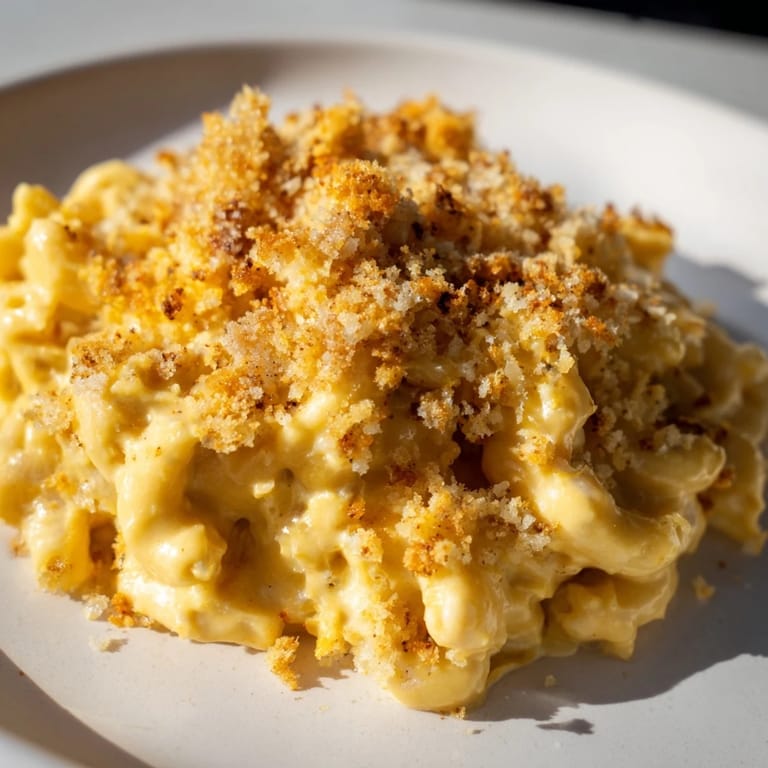
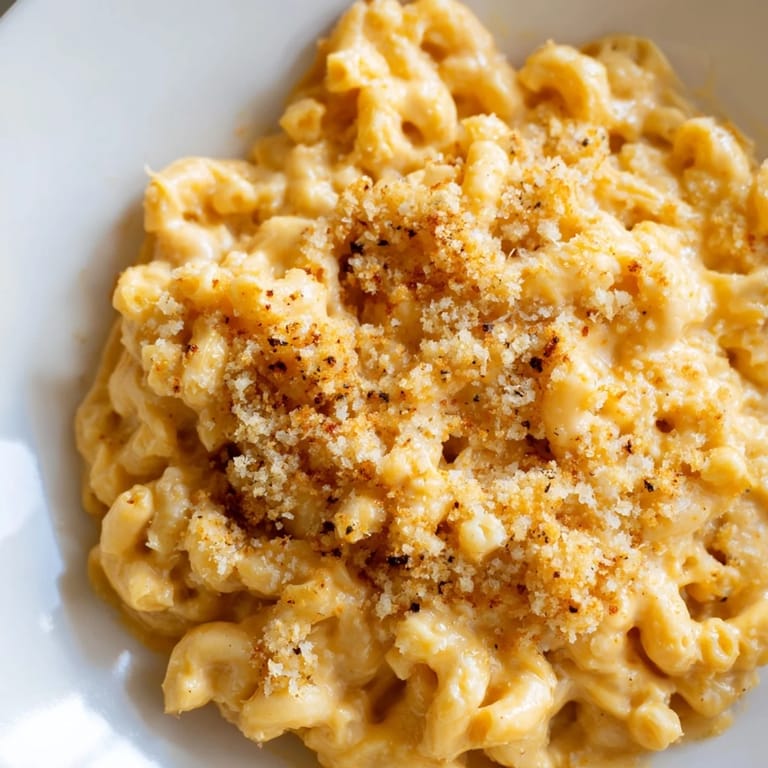
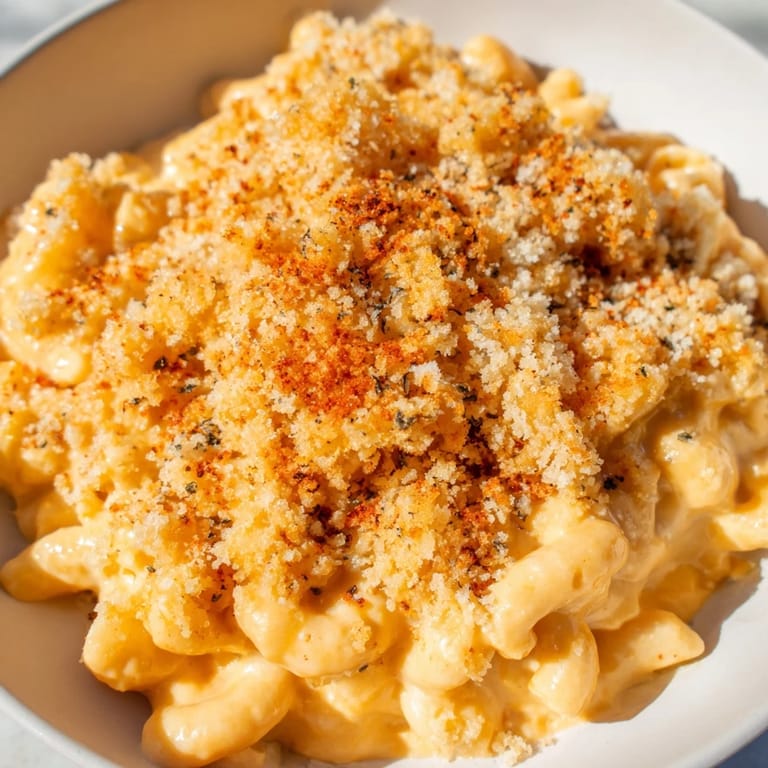
- Pour everything into a greased baking dish, mix the panko with melted butter, sprinkle it over the top, and bake for 10 to 15 minutes until the breadcrumbs are golden and the edges are bubbling. Straight from the pot is equally good if you're hungry now.
- Finish and serve:
- Grate a little extra Parmesan over top and maybe a small handful of fresh parsley if you have it. Serve while it's still steaming.
 Save It
 The thing about this dish is that it bridges seasons in a way that feels honest. It's not trying to be something it's not; it's just pumpkin and cheese and pasta, and somehow that simplicity is what makes it feel special. I made it in early October once when the weather hadn't quite turned yet, and my neighbor smelled it from the hallway and knocked on my door asking what was cooking. We ended up eating together on my kitchen counter, talking about nothing important, and it became one of those meals that's memorable not because it was fancy, but because it was exactly right.
The Roux Is Your Foundation
The roux is where everything either succeeds or stumbles. It's just butter and flour, but those two things, when whisked together and cooked for a minute, transform into the thickening agent that holds this whole dish together. I learned this the hard way by rushing it—adding the milk too fast to an underdone roux and ending up with a grainy sauce that no amount of whisking could save. Now I take a breath, watch for the nutty smell, and know that one careful minute of prep work saves ten minutes of frustration. The flour needs time to fully incorporate and cook out its raw taste, and the butter needs a moment to let the flour hydrate. It sounds technical, but it's really just a small pause that makes all the difference.
Why Pumpkin Doesn't Scream Fall
There's something about pumpkin that people either love immediately or approach with hesitation, and that's because in real kitchens, pumpkin usually means sugar and spice and everything nice. But pumpkin puree itself is gentle and almost savory—it's mild, slightly sweet, and full of umami depth. The nutmeg and paprika are what signal autumn, but the pumpkin just makes the sauce silkier and adds a subtle earthiness that sharp cheddar alone can't achieve. I think of it less as a seasonal ingredient and more as a texture player, something that softens the edges of the cheese without asking for permission. That's why this tastes good in July and even better in October.
Make It Your Own
The beauty of this recipe is that it's a base, not a bible. I've made it with half Gruyère when I had it on hand, and the nuttiness that came through was incredible. Someone once added crispy bacon to theirs and brought it to a dinner party; I've never seen a mac and cheese disappear so fast. You could fold in sautéed spinach or kale, or stir in some roasted garlic if you want earthiness without sweetness. The pumpkin-cheese foundation is strong enough to hold whatever direction you want to take it.
- If you want it lighter, use two-percent milk and reduced-fat cheddar, though it won't be quite as rich.
- For extra depth, try Dijon mustard stirred in at the end—just a teaspoon or so.
- If you have smoked paprika on hand, use it; if not, everything still works without it.
 Save It
 This dish has a way of showing up exactly when you need comfort that doesn't feel heavy. Make it, share it, and watch how something this simple becomes the meal people remember.
Recipe FAQs
- → What type of pasta works best in this dish?
Elbow macaroni or small pasta shells hold the sauce well, offering a balanced texture and easy to coat with the creamy pumpkin cheddar blend.
- → Can I make this dish vegan or dairy-free?
Substitute plant-based milk and vegan cheese alternatives, and replace butter with oil or margarine to adapt for dairy-free preferences.
- → What spices highlight the pumpkin flavor?
Nutmeg, black pepper, and smoked paprika provide warmth and complement the natural sweetness of the pumpkin puree.
- → Is the breadcrumb topping necessary?
The breadcrumb topping adds a golden, crunchy contrast when baked, but it can be omitted for a smoother texture if preferred.
- → What are good pairing suggestions for this dish?
Light-bodied wines like Pinot Noir or crisp Chardonnay, along with fresh salads or sautéed greens, enhance the rich creamy flavors.