 Save It
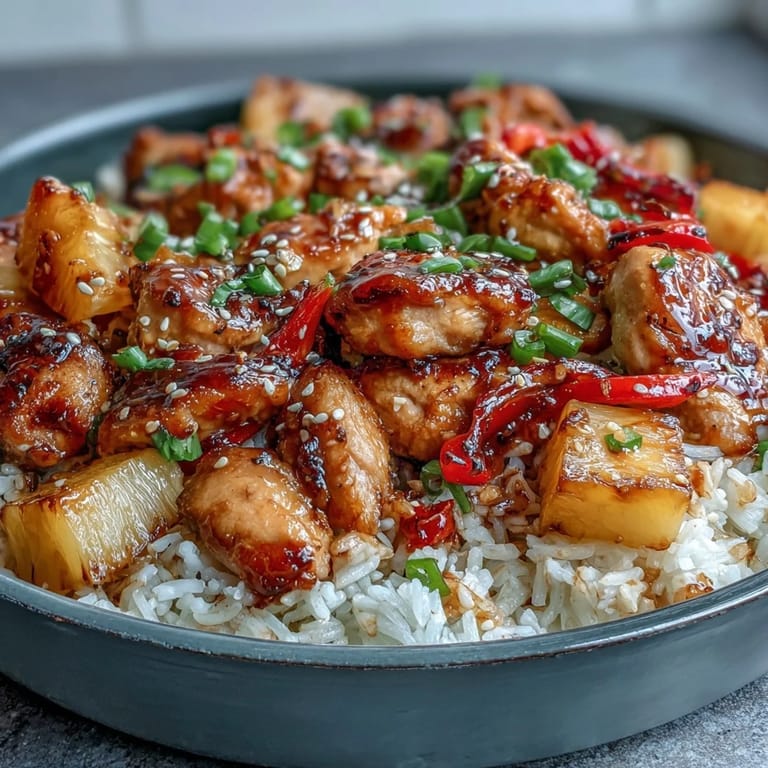
 There's something about the sizzle of chicken hitting hot oil that makes me feel like I'm cooking something special, even on a Tuesday night when I'm just trying to get dinner on the table. That's when I discovered this pineapple chicken skillet—not from a cookbook, but from staring into my fridge at a container of fresh pineapple chunks and wondering if they'd work in something savory. Twenty minutes later, my kitchen smelled like a tropical vacation mixed with garlic and soy sauce, and I knew I'd stumbled onto something my family would ask for again and again. It's the kind of meal that looks fancier than it actually is, which honestly feels like cheating in the best way.
I made this for my coworker Sarah on a potluck Friday, and watching her take that first bite was worth every minute of prep work. She closed her eyes like she was tasting something totally unexpected, then asked for the recipe before she'd even finished her plate. That's when I realized this dish has a kind of magic—it feels indulgent and comforting without being heavy, which is exactly what people want when they're tired but still hungry for something good.
Ingredients
- Boneless, skinless chicken breast or thighs (1 lb): Thighs stay juicier if you're not watching the heat like a hawk, but breasts work fine if you prefer leaner meat—just be gentle during the simmering.
- Long-grain white rice (1 cup): Rinsing it first prevents mushiness and gives you those light, separate grains that make the dish feel less heavy.
- Red and yellow bell peppers (1 each): The colors aren't just pretty; they add different flavor notes, with red being sweeter and yellow having a mild, slightly fruity taste.
- Fresh pineapple chunks (1 cup): Canned works in a pinch, but fresh pineapple has a brightness that feels more summery and less syrupy.
- Yellow onion and garlic (1 small onion, 2 cloves): These create the flavor base that makes everything taste intentional rather than just thrown together.
- Low-sodium soy sauce (1/4 cup): Low-sodium lets the other flavors shine without turning everything into a salt bomb.
- Pineapple juice (1/4 cup): This ties the whole sauce together; if you're using fresh pineapple, save some of the juice instead of letting it go to waste.
- Honey or brown sugar (2 tbsp): Honey dissolves more smoothly and adds a subtle floral note, but brown sugar works too.
- Rice vinegar (1 tbsp): This mild vinegar balances the sweetness without being aggressive or sharp.
- Sesame oil (1 tsp): A tiny bit goes a long way; it's what makes your sauce taste intentional and deep rather than one-dimensional.
- Vegetable oil (2 tbsp): Keep the heat medium-high so your chicken browns instead of just steams.
- Chicken broth (2 cups): Low-sodium is better here too, so you control the salt level.
Tired of Takeout? 🥡
Get 10 meals you can make faster than delivery arrives. Seriously.
One email. No spam. Unsubscribe anytime.
Instructions
- Sear the chicken until it's golden on the outside:
- Heat 1 tablespoon of oil in your skillet over medium-high heat, then add chicken pieces seasoned with salt and pepper. You want them to brown, not steam, so give them a couple minutes per side without moving them around too much. Once they're golden, move them to a plate and keep them nearby.
- Build the flavor base with aromatics and peppers:
- Pour the remaining oil into the same skillet and sauté your diced onion and minced garlic for about 2 minutes until the kitchen smells amazing. Add those bell pepper strips and cook for 3 to 4 minutes until they're just starting to soften but still have some crunch.
- Toast the rice for one minute:
- Stir in your rinsed rice and let it sit in the hot pan for about a minute, which sounds quick but actually changes the texture and adds a subtle nutty flavor. Return your browned chicken to the pan so everything's together.
- Mix the sauce and pour it over everything:
- In a small bowl, whisk together soy sauce, pineapple juice, honey, rice vinegar, sesame oil, and black pepper until the honey is fully dissolved. Pour this over the chicken and vegetables, making sure to scrape up any browned bits stuck to the bottom of the pan.
- Add broth and pineapple, then cover and simmer:
- Pour in your chicken broth and scatter the pineapple chunks across the top, then bring everything to a boil. Once it's bubbling, lower the heat, cover with a lid, and let it simmer for 18 to 20 minutes until the rice has absorbed the liquid and turned tender.
- Thicken the sauce if you prefer it less watery (optional):
- If you want a saucier, more glazed result, mix cornstarch with 2 tablespoons of water and stir it in during the last minute of cooking. It'll thicken up almost immediately and coat everything in a silky glaze.
- Finish with a gentle fluff and fresh garnish:
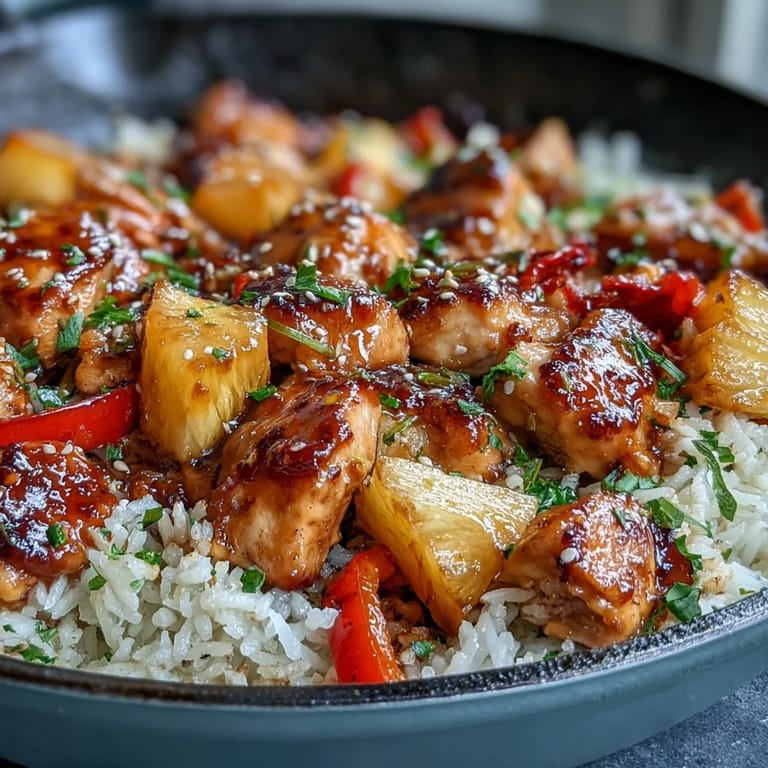
- Remove from heat, use a fork to gently fluff the rice without crushing the grains, then scatter those sliced green onions on top for a fresh bite and a pop of color. Serve while it's still steaming and the aromatics are strongest.
 Save It
 I think the moment this dish stopped being just a weeknight dinner and became something I actually crave was when my teenage son, who usually complains about vegetables, asked me to make it again before he'd even left the table. That's when you know you've made something worth remembering.
How to Make It Your Own
The beauty of this skillet is that it's forgiving and flexible, so don't be afraid to swap things around based on what's in your kitchen or what you're craving. I've made it with snap peas instead of one of the peppers, added broccoli florets, and even thrown in some thin carrot slices that soften perfectly during the simmering. The sauce carries enough flavor that it works with almost any vegetable you want to add, so treat it less like a rigid recipe and more like a framework you can dance around.
Storage and Reheating
This dish keeps beautifully in the fridge for up to three days in an airtight container, though I'll be honest—it rarely lasts that long in my house. When you reheat it, add a splash of water or broth to loosen up the rice, then warm it gently in a skillet over medium heat so nothing gets scorched on the bottom.
Flavor Variations Worth Trying
Once you've made it the first time and fallen in love with it, you can get creative with the spice level and other tweaks. If you like heat, add some crushed red pepper flakes or even a sliced bird's eye chili mixed in with the garlic; the pineapple keeps it from becoming overwhelming and actually plays beautifully against the spice. For a deeper flavor, swap in brown rice and add an extra half cup of broth to account for the longer cooking time, though it'll take closer to 30 minutes to fully tender.
- A splash of white wine added to the sauce (use about 2 tablespoons and let it reduce for a minute) adds sophistication without changing the dish's basic character.
- Green onions are traditional, but fresh cilantro or even Thai basil scattered on top right before serving brings a whole different energy to the plate.
- If you want to make it feel more special for company, serve it in bowls rather than on plates and drizzle a tiny bit of sesame oil on top as a finishing touch.
 Save It
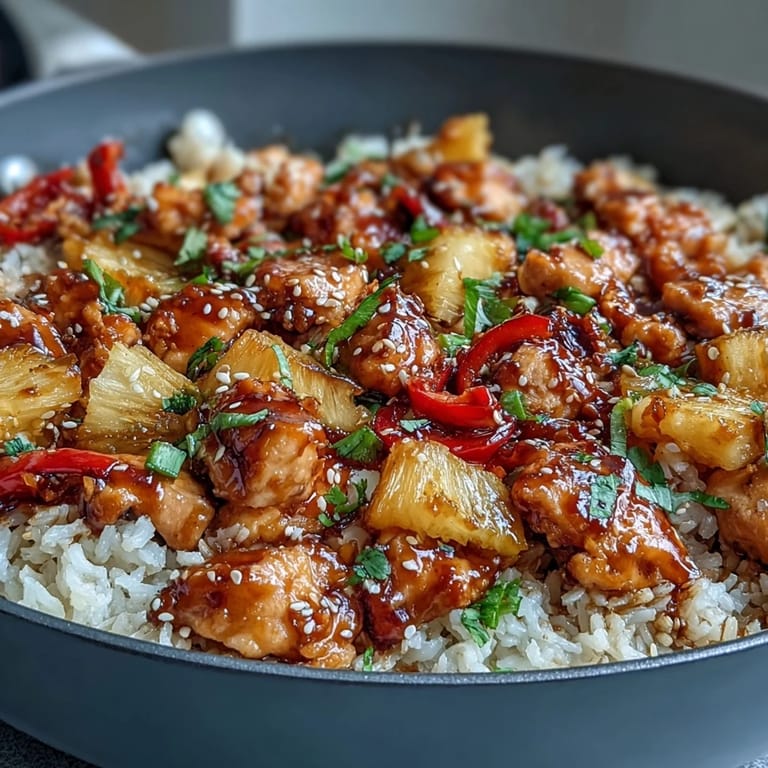
 This pineapple chicken skillet has somehow become the meal I reach for when I want to feel like I'm cooking something interesting without the stress of complicated techniques or endless cleanup. It's proof that the best dinners don't have to be complicated to be genuinely delicious.
Recipe FAQs
- → Can I use different types of rice for this dish?
Yes, brown rice can be substituted, but increase the cooking liquid and simmer time to ensure it cooks fully.
- → How can I make the sauce thicker?
Mix cornstarch with water to create a slurry, then stir into the skillet near the end and cook until thickened.
- → What proteins work well besides chicken?
Boneless, skinless chicken thighs or breasts work best, but tofu or shrimp can be used with adjustments to cooking time.
- → Can I add other vegetables to this dish?
Yes, snap peas, carrots, or broccoli make great additions and enhance the dish’s freshness and texture.
- → What wine pairs well with this skillet?
A light white wine such as Riesling or Sauvignon Blanc complements the sweet and savory flavors nicely.