 Save It
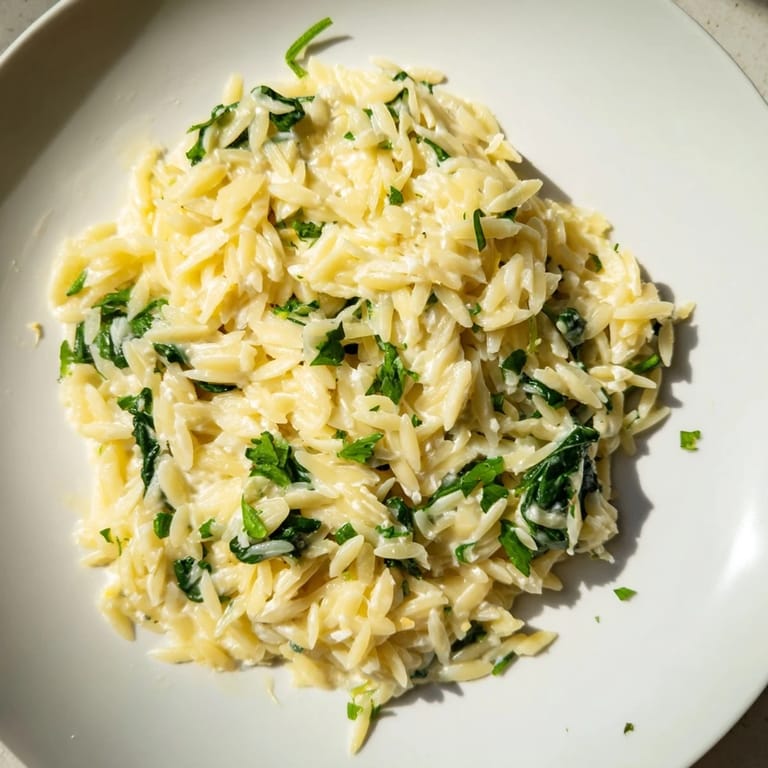
 There's something magical about watching pasta transform in a single pot, the broth slowly turning creamy and rich without ever leaving the stovetop. I discovered this one-pot creamy orzo on a Tuesday night when I had maybe thirty minutes and a fridge that felt oddly bare, yet somehow held exactly what I needed. The first time I made it, I was skeptical that something so simple could actually taste like comfort itself, but the moment that first spoonful hit my tongue—buttery, garlicky, unexpectedly luxurious—I understood why this dish had quietly become everyone's go-to weeknight salvation. Now I find myself making it whenever life feels hectic, which is often.
I made this for my roommate on a particularly gray evening when she'd had the kind of day where only warm, soft food would help. She sat at our kitchen counter while the pot simmered, and within minutes our entire apartment smelled like a cozy Italian kitchen. When she took that first bite, her shoulders actually relaxed—I watched it happen. That's when I realized this dish isn't just dinner; it's a small act of care that somehow translates through butter and broth.
Ingredients
- Orzo pasta (1 1/2 cups): These little rice-shaped pieces absorb the broth beautifully while staying tender, creating a naturally creamy texture without extra cream.
- Unsalted butter (2 tablespoons): It's your foundation here—the deeper, more flavorful base that makes everything else taste better.
- Vegetable broth (3 cups): Low-sodium is essential because you'll reduce it and concentrate the flavors; too much salt and you'll regret every spoonful.
- Heavy cream (1/2 cup): This is what transforms the whole dish at the end, turning everything silky and luxurious.
- Freshly grated Parmesan (1/2 cup): Freshly grated matters more here than anywhere else; pre-shredded contains anti-caking agents that make the sauce feel gritty instead of smooth.
- Mozzarella cheese (1/2 cup, optional): It adds richness and stretches when you stir it in, but the dish is perfect without it if you're short on time.
- Yellow onion (1 small): Diced small so it disappears into the sauce and builds foundational flavor as it caramelizes.
- Garlic (3 cloves): Minced fine and added early so the heat mellows it just enough—it should smell amazing, not harsh.
- Baby spinach (2 cups): It wilts down to almost nothing, but adds color, nutrition, and a subtle earthiness that balances the richness.
- Fresh parsley (1/4 cup): Stirred in at the very end, it brightens everything and reminds you that there are fresh herbs involved.
- Milk (1/2 cup): This stretches the broth and creates a gentler base than broth alone, preventing the pasta from overcooking.
- Salt and black pepper: Season at the end, after the cheese goes in, because Parmesan and broth contribute their own saltiness.
- Red pepper flakes (1/4 teaspoon, optional): Just a whisper, unless you like a subtle heat that sneaks up on you.
Tired of Takeout? 🥡
Get 10 meals you can make faster than delivery arrives. Seriously.
One email. No spam. Unsubscribe anytime.
Instructions
- Build your aromatic base:
- Melt butter over medium heat and let the diced onion slowly turn translucent—about 3 to 4 minutes, stirring occasionally so it softens without browning. You want to hear a gentle sizzle, smell the sweet onion releasing into the kitchen, not a aggressive sear.
- Wake up the garlic:
- Add minced garlic and stir constantly for just 1 minute until the raw edge disappears and it smells deeply fragrant. This is the moment where the whole dish changes from plain to memorable.
- Toast the orzo:
- Pour the dry orzo into the pot and stir it for about 2 minutes, letting each piece coat itself in the buttery mixture. You'll hear it click and rattle against the pan—that's exactly what you want, because it's building flavor through gentle toasting.
- Add the liquid and let it work:
- Pour in the vegetable broth and milk, stir everything together, and bring it to a gentle simmer. Now it gets quietly busy—stir every minute or so to prevent sticking, and watch as the liquid gradually absorbs into the pasta over the next 10 to 12 minutes.
- Make it creamy:
- When the orzo is tender and most of the liquid is absorbed, pour in the heavy cream and add both cheeses, stirring until they melt completely into a silky sauce. If it seems too thick, add a splash more milk; if too thin, let it cook uncovered for another minute to reduce.
- Finish with greens and brightness:
- Fold in the spinach and let it wilt for a minute or two, then taste for salt and pepper, add the red pepper flakes if you want a subtle burn, and stir in fresh parsley right at the end. The parsley is your final touch, so don't skip it or cook it—just fold it in when you're plating.
 Save It
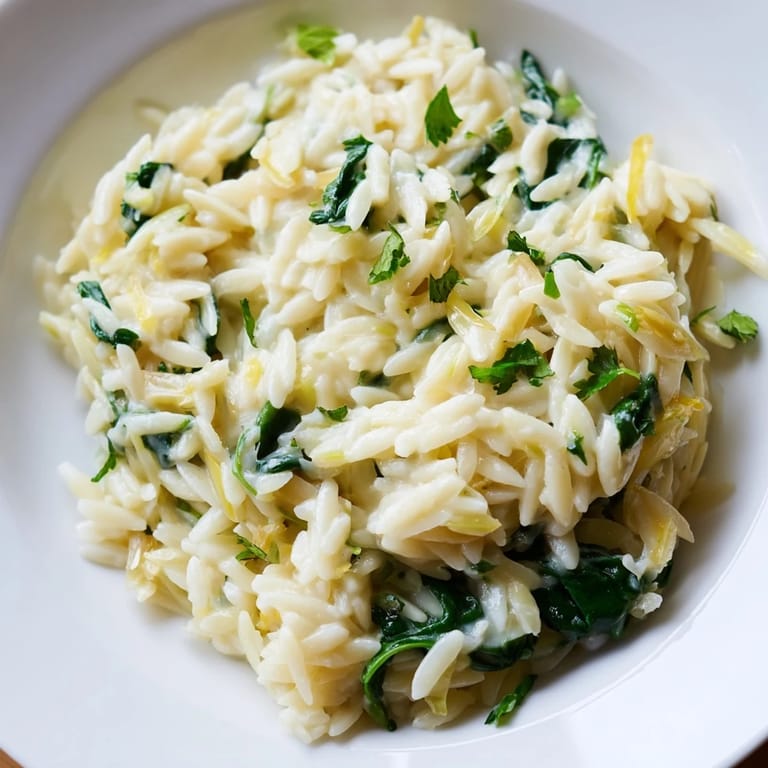
 What I love most about this dish is that moment when someone takes the first bite and their face softens, when they realize that simple ingredients in one pot can taste like genuine restaurant-quality comfort. It's become my answer to everything—a bad day, a lazy night, when someone I care about needs feeding with minimal effort but maximum heart.
The Secret to Silky Sauce
The magic happens when you combine three things: starch from the pasta, fat from the butter and cream, and emulsifying power from the Parmesan cheese. The starch thickens naturally as the broth reduces, so you don't need cornstarch or flour, and the cheese doesn't break if you add it to a warm sauce rather than a boiling one. I learned this the hard way by adding cheese too early and watching my beautiful sauce turn grainy, but now I know better—patience with the timing is everything.
Customizing Your Bowl
This recipe is genuinely forgiving of substitutions because the technique is solid. I've made it with kale when spinach wasn't on hand, swapped in arugula for peppery brightness, and once stirred through some sun-dried tomatoes that transformed it into something entirely different but equally satisfying. The creaminess absorbs any vegetable you want to add, and if you're feeding someone who wants protein, a handful of cooked shrimp stirred in at the end, or some sautéed mushrooms, or rotisserie chicken will make it feel like a completely different dish. Even vegan versions work beautifully with plant-based cream and butter—the technique remains exactly the same.
Timing and Temperature Matter
Medium heat is genuinely important here because high heat will make the broth evaporate too quickly and the pasta might cook unevenly, while too low and everything takes forever. Once the broth is simmering, resist the urge to turn up the heat to speed things along—this dish rewards patience with flavor. Think of it less like a race and more like a gentle conversation between ingredients, where each one gets time to soften and meld.
- Start tasting the orzo around the 10-minute mark so you catch it when it's tender instead of mushy.
- If your pot is shallower than you'd like, the liquid will evaporate faster, so adjust your cooking time accordingly.
- Serve immediately after stirring in the parsley, because the sauce will continue to thicken as it cools.
 Save It
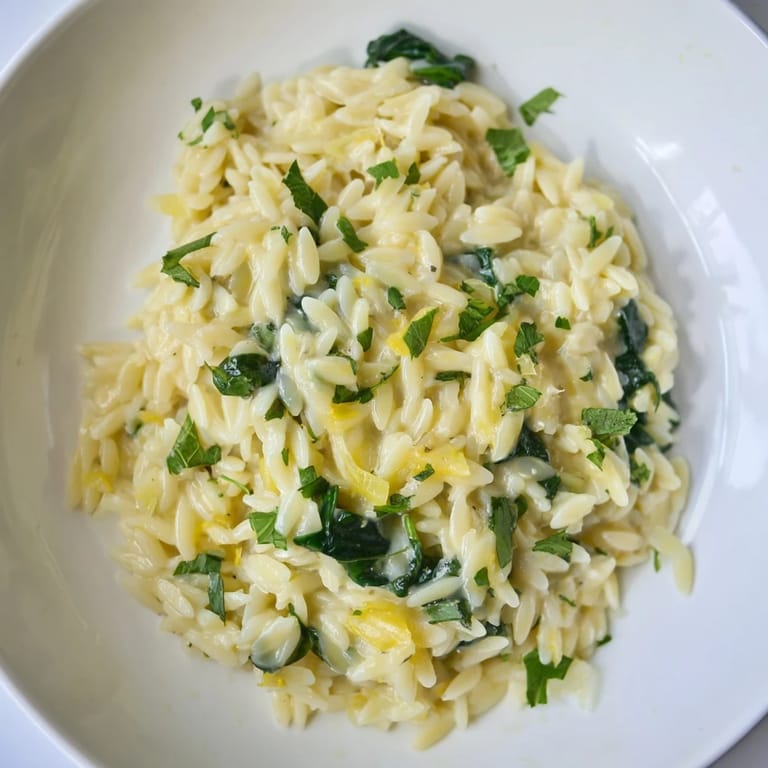
 This one-pot creamy orzo has become my favorite kind of recipe—the one that tastes like so much more than its ingredients suggest, and that never fails to turn a simple night into something warm and memorable. Make it for yourself, make it for someone else, make it whenever you need a little comfort that actually takes less time than ordering takeout.
Recipe FAQs
- → How long does it take to cook creamy orzo?
Cooking the orzo in simmering broth takes about 10-12 minutes until tender, with the total dish ready in around 30 minutes.
- → Can I use a dairy-free alternative?
Yes, substitute butter, cream, and cheese with plant-based versions to keep the texture creamy and flavors rich.
- → What is the best way to add garlic flavor?
Sautéing minced garlic with diced onions in butter releases aromatic oils that infuse the orzo during cooking.
- → Can other greens replace spinach?
Kale or arugula can be used instead of spinach for a different texture and flavor profile.
- → How to make the dish spicier?
Add red pepper flakes during seasoning for a subtle heat that complements the creamy base.