 Save It
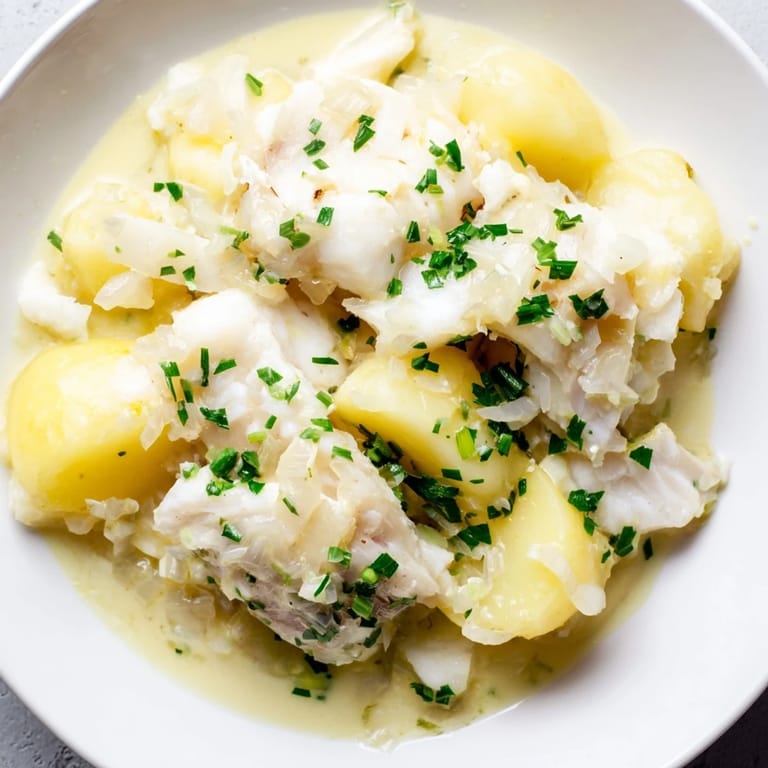
 There's something about the first spoonful of a creamy fish stew that takes you straight to a small fishing village on the edge of the North Atlantic. Years ago, I stumbled into a cramped kitchen in Reykjavik during a sudden downpour, and my host—a woman named Sigrun—threw together this stew while rain drummed against the windows. She moved with such ease, stirring butter into onions, folding in flakes of fish like she was tucking them into bed. That meal changed how I think about comfort food. It's humble and unpretentious, but somehow it feels like a gift.
I made this for a friend who'd just moved to a cold city for the first time, and watching her face when she tasted it—that warm recognition, like she'd stumbled onto something she didn't know she was missing—that's when I realized why Icelanders treat this stew like an everyday miracle.
Ingredients
- Cod or haddock fillets (500 g): Look for fillets that are pale and smell only of the ocean, never sharp or off. The fish will poach gently and flake apart like a secret being whispered.
- Potatoes (500 g): Waxy varieties hold their shape better than floury ones, which means you get tender chunks instead of a puree. I learned this the hard way.
- Onion (1 medium): The slower you cook it in butter, the sweeter it becomes—this is where the stew's gentleness comes from.
- Butter (60 g): Use good butter if you can; the stew tastes like whatever butter tastes like.
- Whole milk (500 ml): Full-fat milk matters here. Skim milk will never give you that silky finish.
- Heavy cream (100 ml): This is the backbone of the creaminess, though you can reduce it if you want something lighter.
- Fresh parsley and chives: Add these at the very end so they stay bright green and taste like spring, even in winter.
- Bay leaf, salt, white pepper, and nutmeg: The bay leaf does most of the quiet work, infusing the fish poaching liquid with subtle depth.
Tired of Takeout? 🥡
Get 10 meals you can make faster than delivery arrives. Seriously.
One email. No spam. Unsubscribe anytime.
Instructions
- Start the potatoes first:
- Salt your water generously before the potatoes go in—this is your only chance to season them from within. They'll take 12 to 15 minutes depending on their size, and you want them tender enough to barely hold together when stirred.
- Poach the fish gently:
- This is the moment that separates a stew from a disaster. Water should barely shimmer, not boil; the fish will turn opaque and flake when it's done. The poaching liquid becomes gold—save it.
- Build the base with butter and onion:
- Medium heat is your friend here. Watch the onion soften and turn translucent, which takes about 5 minutes if you're patient. This is when the kitchen starts to smell like something worth eating.
- Combine potatoes and fish:
- Gently mash the potatoes—you want some texture, not smoothness. Add the fish and its reserved poaching liquid, stirring as if you're folding in something delicate.
- Pour in the cream and milk:
- Lower the heat now. Stir frequently and watch the color shift from pale yellow to rich cream. This takes about 5 minutes over low heat. Never let it boil, or the cream will break and separate.
- Season and garnish:
- Taste before you season fully. Add salt, white pepper, and a whisper of nutmeg if you want something mysteriously warm. Stir in half the fresh herbs, keeping the rest for the top where they'll stay green and alive.
 Save It
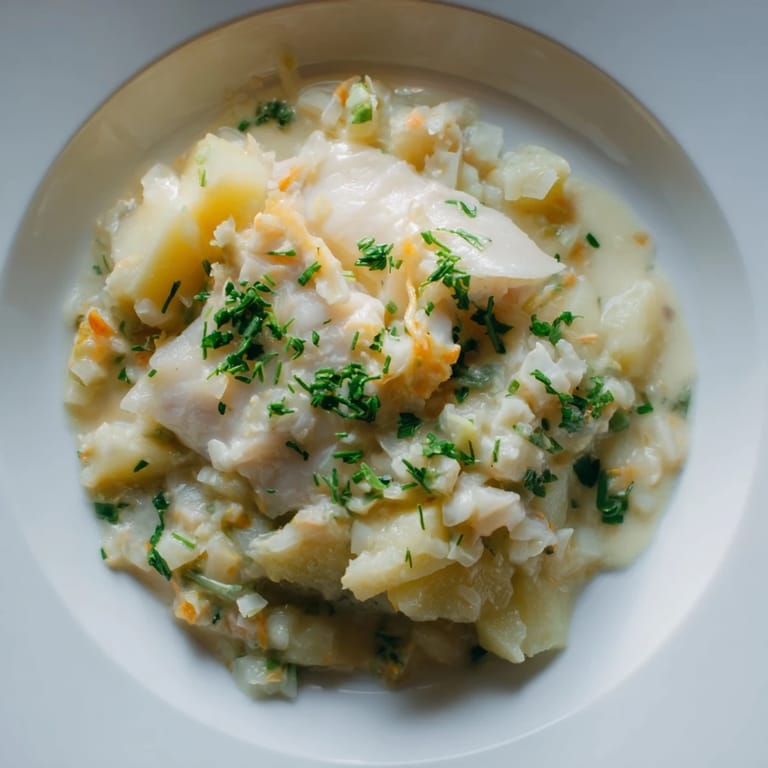
 My grandmother used to say that you can tell how much someone cares by whether they stir the pot or let it sit. With this stew, the stirring is an act of presence—each turn of the spoon brings warmth and cream together in a way that feels almost meditative on a day when everything else feels chaotic.
The Art of Not Boiling
The single most important thing I've learned about creamy soups is that gentleness matters more than heat. Your cream and milk are fragile; they'll separate and break if the temperature climbs too high. Keep the flame low, stir often, and trust that the residual heat will finish the cooking. The stew will be silky and whole, not broken and grainy.
Why This Stew Feels Like Home
In Iceland, this stew isn't fancy or complicated—it's what people eat on Tuesday nights when the wind is howling and there's nowhere better to be than at the table with a bowl in front of you. It's practical and unpretentious, but also deeply nourishing. There's a reason it's survived centuries of harsh winters and simpler times; it works because it understands what the body needs when it's cold.
Serving and Variations
This stew is perfect on its own, but dark rye bread and butter on the side transforms it into something almost ceremonial. You can also stir in a handful of chopped fresh dill at the end, or use smoked fish for something deeper and more complex. Some people add a splash of white wine or lemon juice if they want brightness, though I prefer it without—creamy and straightforward.
- Serve it hot in bowls deep enough to hold the broth, with the herbs scattered on top like they matter.
- A pat of good butter melting into dark bread is non-negotiable.
- Leftovers will keep in the fridge for three days and taste even better the next day, when the flavors have settled into each other.
 Save It
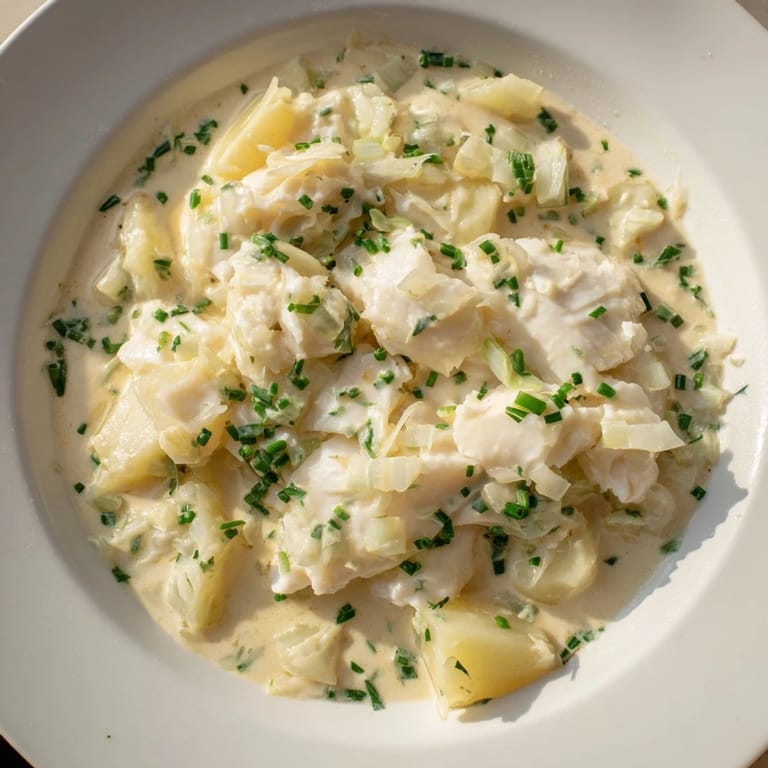
 This stew is a quiet miracle—the kind of food that doesn't demand anything from you except patience and a gentle hand. Make it once and you'll understand why people return to it again and again.
Recipe FAQs
- → What type of fish is best for this dish?
Cod or haddock fillets work wonderfully as they have a mild flavor and flaky texture that complements the creamy base.
- → Can I substitute cream with another ingredient?
Yes, for a lighter variation, you can omit the cream and use only whole milk, which still maintains a smooth texture.
- → How should I cook the potatoes for this stew?
Peel and dice the potatoes, then boil them until tender but still holding shape, allowing for a creamy mash with some chunks.
- → Is there a recommended garnish for this dish?
Fresh chopped parsley and chives added toward the end and sprinkled on top provide a burst of color and fresh herbal aroma.
- → What sides complement this Icelandic stew?
Traditional dark rye bread (rúgbrauð) served with butter pairs perfectly, adding a slightly sweet, dense contrast to the creamy stew.