 Save It
 There's something about the sizzle of shrimp hitting hot oil that stops me mid-conversation every single time. I learned to make this dish on a Tuesday night when I was trying to impress someone with minimal ingredients and maximum flavor, and somehow it became the recipe I turn to when I need dinner on the table in twenty minutes flat. The sweet-savory glaze that coats each shrimp is so simple it feels like cheating, but it tastes like you've been cooking all day. Now it's the dish my friends request, the one I make when I want to feel confident in the kitchen without the stress.
I made this for my neighbor one night when she was going through a rough week, and watching her face light up when she took that first bite reminded me that sometimes the simplest meals carry the most meaning. She's been asking me to make it ever since, and I always say yes because there's something about cooking this together in her kitchen that feels like a small act of kindness that costs barely any effort.
Ingredients
- Large shrimp (1 lb, peeled and deveined): Look for shrimp that smell like the ocean, not fishy or ammonia-like, and pat them completely dry before cooking so they sear properly instead of steaming.
- Honey (1/3 cup): The sweetness balances the salt and soy sauce, so don't skip it or use a substitute; raw honey adds a subtle depth that processed stuff can't quite match.
- Low-sodium soy sauce (1/4 cup): I learned the hard way that regular soy sauce makes the dish almost inedibly salty, so always reach for low-sodium unless you want a rescue mission on your hands.
- Garlic (4 cloves, minced): Fresh garlic is non-negotiable here; jarred stuff will make the sauce taste flat and one-dimensional.
- Fresh ginger (1 tbsp, grated): Grate it just before cooking so you get all the bright, warm notes; pre-grated ginger loses its punch.
- Rice vinegar (1 tbsp, optional): A splash cuts through the sweetness and makes the flavor pop, so I always add it even though it's listed optional.
- Crushed red pepper flakes (1/2 tsp, optional): For gentle heat that builds rather than burns, start with half and taste as you go.
- Vegetable or sesame oil (1 tbsp): Sesame oil makes the sauce taste more authentic and restaurant-quality, though it burns easier so keep your heat in check.
- Green onions (2 tbsp, sliced): They wilt slightly from the heat and add a fresh, sharp note that keeps everything from being too sweet.
- Toasted sesame seeds (1 tsp, optional): They add a subtle nuttiness and texture that makes people ask for the recipe even more than they already do.
Tired of Takeout? 🥡
Get 10 meals you can make faster than delivery arrives. Seriously.
One email. No spam. Unsubscribe anytime.
Instructions
- Combine the magic liquid:
- Whisk honey, soy sauce, garlic, ginger, rice vinegar, and red pepper flakes in a bowl and set it right next to your stove so you're never scrambling for it once the shrimp hits the pan. The sauce should smell complex and a little spicy, not one-note sweet.
- Dry and season the shrimp:
- Pat each shrimp with a paper towel until they're completely dry, then sprinkle with salt and pepper; this step is what separates a soggy dinner from one with actual texture and color.
- Get the oil smoking:
- Heat your oil in a large skillet over medium-high heat until it shimmers and moves easily around the pan; the smell should change from neutral to slightly toasty when you're ready.
- Sear the shrimp in one layer:
- Lay each shrimp flat in the hot oil and resist the urge to move them immediately; after 1 to 2 minutes, they'll turn from gray to bright pink on one side, and that's when you flip them for another minute. If your pan feels crowded, cook in two batches because overcrowding drops the temperature and steams them instead of searing.
- Pour in the sauce and finish:
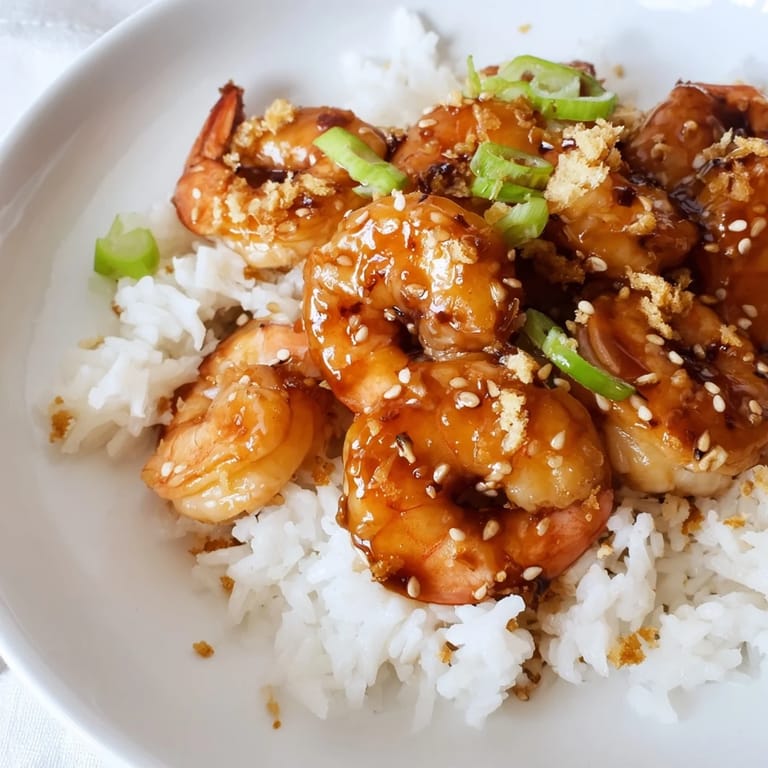
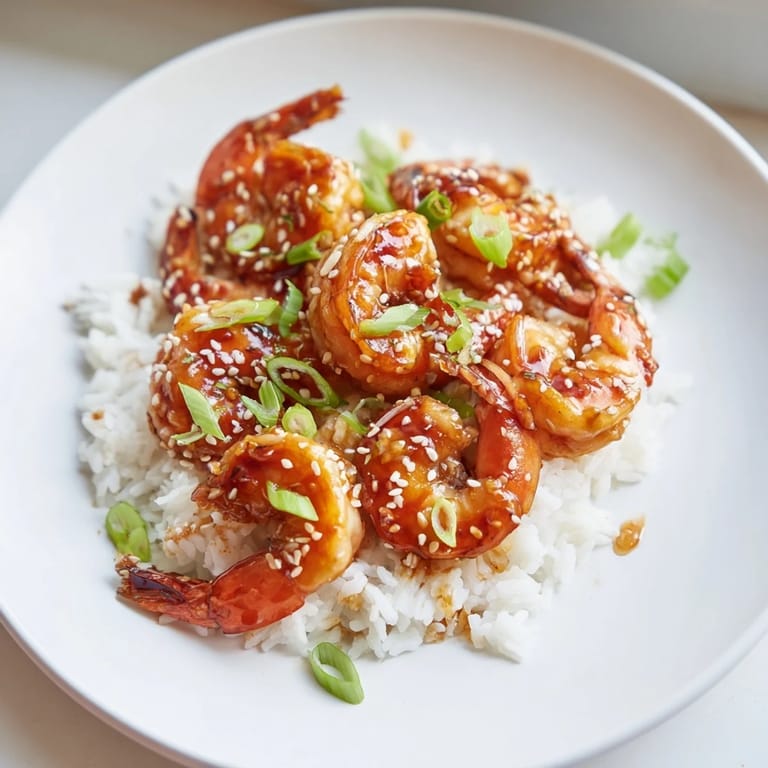
- Pour the mixture over the shrimp and stir gently so each piece gets coated, then watch as the sauce bubbles and thickens over the next 2 to 3 minutes and the shrimp finishes cooking through. The whole thing should smell almost caramel-like when you're done, and the sauce should cling to each shrimp rather than pool at the bottom.
- Finish and serve:
- Pull the pan off heat, scatter green onions and sesame seeds over the top, and serve immediately over rice or noodles so you catch all that glorious sauce. The longer it sits, the more the sauce thickens and the shrimp continues to cook, so speed matters here.
 Save It
 I remember the exact moment this became more than just dinner: my eight-year-old nephew asked for seconds and then thirds, and when I asked if he wanted to help make it next time, his whole face changed like I'd just offered him the best secret in the world. Now whenever he visits, that's the first thing he wants to cook, and I love watching him carefully mince the garlic and grate the ginger like he's been doing it for years.
The Texture That Makes the Difference
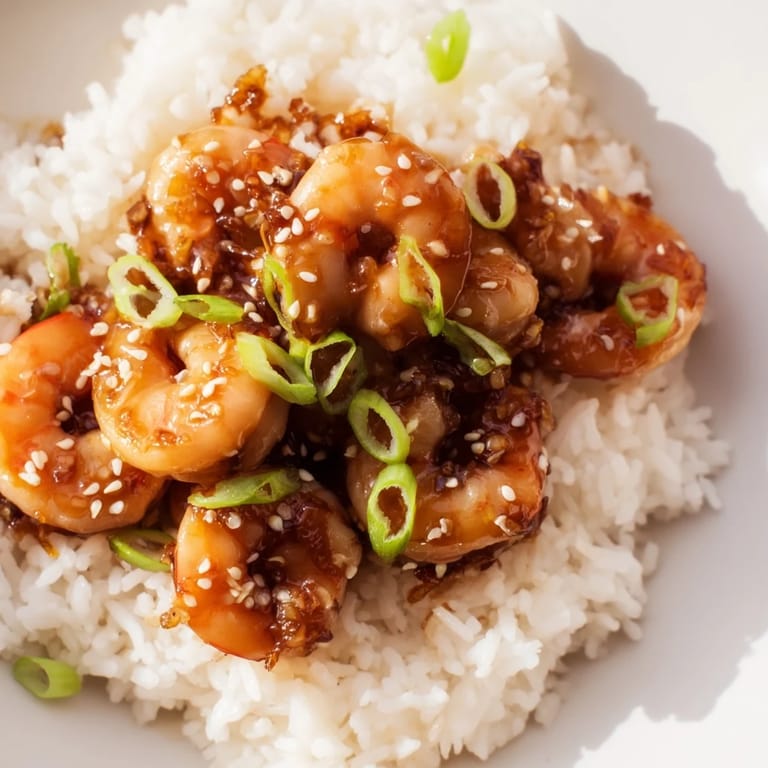
The contrast between the caramelized, slightly crispy exterior of the shrimp and the tender, almost buttery inside is where this dish stops being simple and starts being memorable. That's why you really do need to sear them hard and fast rather than gently poaching them in the sauce, and why the oil temperature matters so much more than any other single factor. I've learned to trust my ears as much as my eyes: when I hear a good aggressive sizzle, I know I'm about to create something delicious.
Why This Works as a Weeknight Dinner
On nights when I'm tired and the fridge feels empty, this dish reminds me that you don't need complicated ingredients or hours of prep to eat something that tastes like you actually tried. The sauce comes together while your shrimp dries, so there's almost no dead time, and the whole operation from cold pan to plated dinner really does happen in twenty minutes if you keep moving. It's the kind of meal that makes you feel like you've got your life together, even on the nights when you're just trying to get through to bedtime.
Variations That Keep This From Getting Boring
Once you nail the basic formula, you can play with it endlessly without losing that signature sweet-savory magic that makes people ask for thirds. Chicken breasts cut into bite-sized chunks work beautifully and cook in almost the same time, or you can swap in firm tofu if you're feeding vegetarians and want something that soaks up the sauce like a dream. I've added sautéed snap peas, bell peppers, mushrooms, even broccoli florets right into the sauce at the end, and every single version tastes like you planned it that way instead of just opening the crisper drawer in desperation.
- Substitute chicken or tofu and adjust cooking time by a minute or two depending on size and thickness.
- Toss in quick-cooking vegetables like snap peas or mushrooms right when the sauce goes in so they stay crisp.
- A squeeze of fresh lime juice at the very end adds brightness that makes people sit up and take notice.
 Save It
 This recipe has saved me more nights than I can count, turning moments of kitchen panic into meals worth remembering. There's real joy in how quickly it comes together and how thoroughly it impresses, and I hope it does the same for you.
Recipe FAQs
- → What type of shrimp works best for this dish?
Large peeled and deveined shrimp are ideal, tails on or off depending on preference.
- → Can I adjust the spiciness in the sauce?
Yes, crushed red pepper flakes can be added or omitted to control the heat level.
- → What oils are recommended for cooking?
Vegetable or sesame oil work well, adding a subtle nutty aroma when using sesame oil.
- → Is it necessary to marinate the shrimp before cooking?
Mixing the sauce beforehand and adding it during cooking allows flavors to develop without marination time.
- → What are good side options for serving?
Steamed rice or cooked noodles complement the dish perfectly and absorb the flavorful glaze.