 Save It
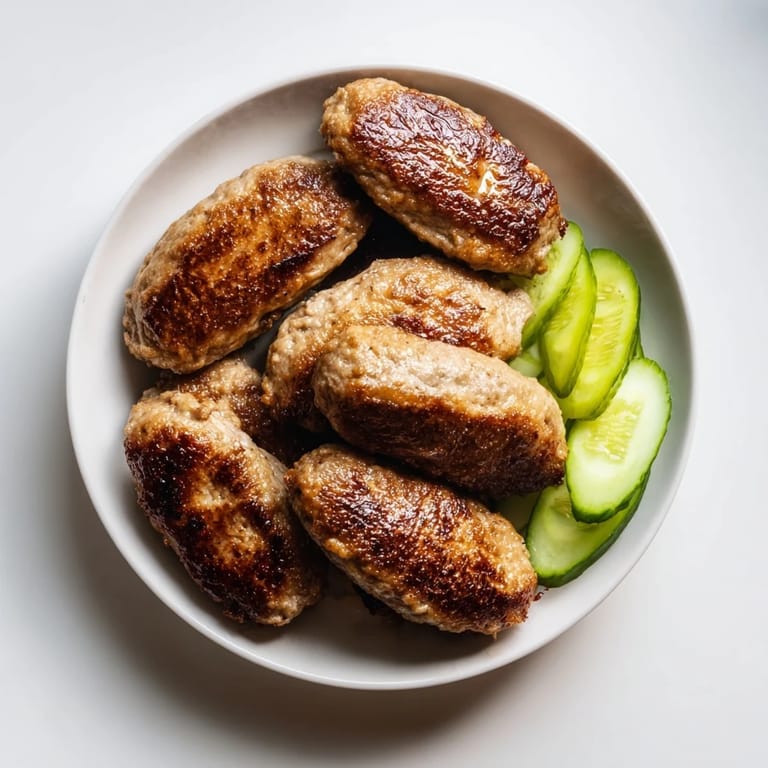
 My neighbor Henrik first taught me about frikadeller on a grey Copenhagen afternoon when he brought a plate of them still warm from his kitchen. The meatballs had this perfect golden crust that gave way to something impossibly tender inside, and he served them with a jar of his homemade pickles that made everything taste alive and bright. I kept asking him questions while we ate, and by the end of that afternoon, I understood why this dish had survived generations in Danish kitchens—it's simple enough to make on a weeknight, but somehow tastes like someone cared.
The first time I made these for my own dinner party, I flattened one meatball too aggressively and watched it fall apart in the pan—panic set in for about thirty seconds. Then I realized the scattered pieces were still delicious, still golden and flavorful, and everyone ate them anyway while we laughed about my kitchen disaster. That's when I learned that frikadeller are forgiving; they don't need to be perfect to be good.
Ingredients
- Ground pork (500 g): The heart of the dish, and honestly, you can stretch it with a bit of veal if you want them lighter, but pure pork gives you a deeper, richer flavor that makes everything else shine.
- Onion (1 small, finely grated): Grate it fine so it disappears into the mixture and releases its sweetness without being sharp or harsh.
- Egg (1): This is what holds everything together and keeps the meatballs tender rather than crumbly.
- Whole milk (100 ml): The secret weapon—it keeps the meat moist and creates a tender crumb that doesn't dry out no matter how long they sit.
- Breadcrumbs (60 g): Use them to soak up the milk and create that characteristic Danish texture that's nothing like dense meat patties.
- Salt (1 tsp) and black pepper (½ tsp): Season generously because the milk dilutes everything slightly, so you need a confident hand here.
- Allspice (½ tsp, optional): This is what makes people ask what's different about your version—it's warm and slightly sweet and distinctly Danish.
- Butter (2 tbsp) and neutral oil (1 tbsp): The butter gives you flavor while the oil prevents burning, giving you that perfect golden crust.
- Danish pickles: Essential for cutting through the richness and waking up your palate with every bite.
Tired of Takeout? 🥡
Get 10 meals you can make faster than delivery arrives. Seriously.
One email. No spam. Unsubscribe anytime.
Instructions
- Mix everything together:
- Combine the pork, grated onion, egg, milk, breadcrumbs, salt, pepper, and allspice in a large bowl and mix until it just comes together into something that's slightly sticky and cohesive. You're looking for a texture that's wet enough to be tender but still holds together when you shape it.
- Let it rest:
- Give the mixture 10 minutes so the breadcrumbs can fully absorb the milk and everything melds together—this step actually matters and makes them noticeably better.
- Shape with wet hands:
- Wet your hands so the mixture doesn't stick, then gently shape the meat into oval or round meatballs about the size of a golf ball, aiming for 12 to 14 pieces total. Work gently so you don't compress them too much.
- Get your pan ready:
- Heat the butter and oil in a large skillet over medium heat until the butter stops foaming and the oil shimmers slightly. You want it hot enough to create that golden crust but not so hot that the outside burns before the inside cooks.
- Fry in batches:
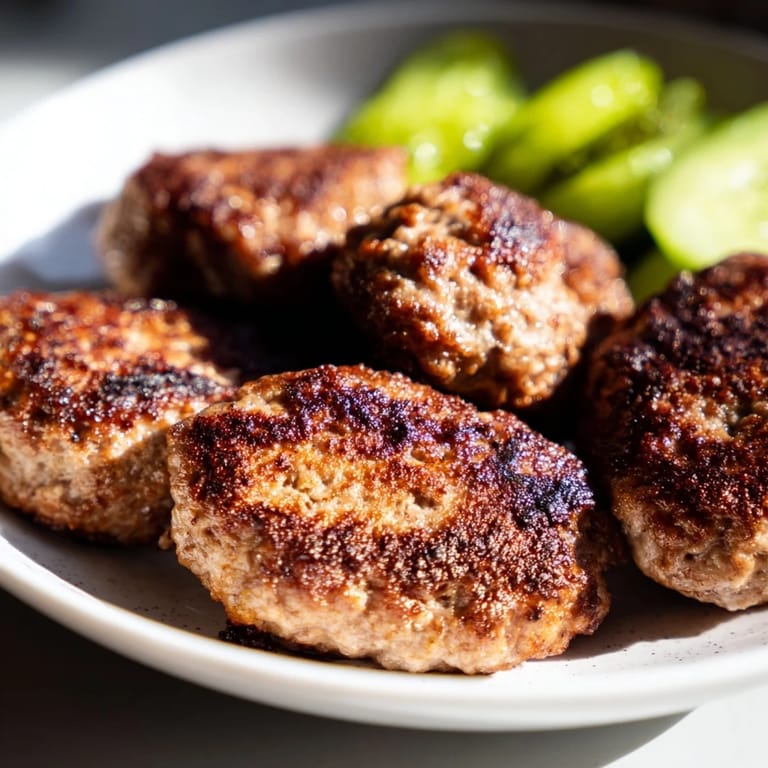
- Working in batches so you don't crowd the pan, add the meatballs and flatten each one slightly with a spatula, then fry for 4 to 5 minutes on each side until they're golden brown all over and cooked through. You'll hear them sizzle in a satisfying way when they're hitting the heat right.
- Drain and serve:
- Transfer the finished frikadeller to a plate lined with paper towels to catch any excess oil, then serve them hot with pickles on the side and rye bread or boiled potatoes if you want to make it a meal.
 Save It
 There was a moment during my third attempt when I pulled the last batch from the pan and realized my whole kitchen smelled like a proper Danish home. My partner came in from the other room asking what smelled so good, and we both sat down and ate them while they were still hot, straight from the pan, with nothing but pickles and dark bread. That's when this dish stopped being something I was learning and became something I actually wanted to make again.
The Danish Way
Frikadeller aren't fancy, and that's completely intentional. In Denmark, they're comfort food—the kind of thing you make when you want something warming without pretension, something that tastes homemade in the best way possible. Henrik told me they often appear at smørrebrød tables and family dinners, always served with something pickled and something hearty to balance them out, which is a lesson that's worth remembering.
Making Them Your Own
Once you've made them once, you'll start noticing little variations that work in your kitchen. Some people add a splash of soy sauce or worcestershire for depth, others experiment with veal or beef, and I've seen versions with herbs mixed into the breadcrumbs. The base stays the same, but the details can shift based on what's in your pantry and what flavors you're craving that particular evening.
What to Serve Alongside
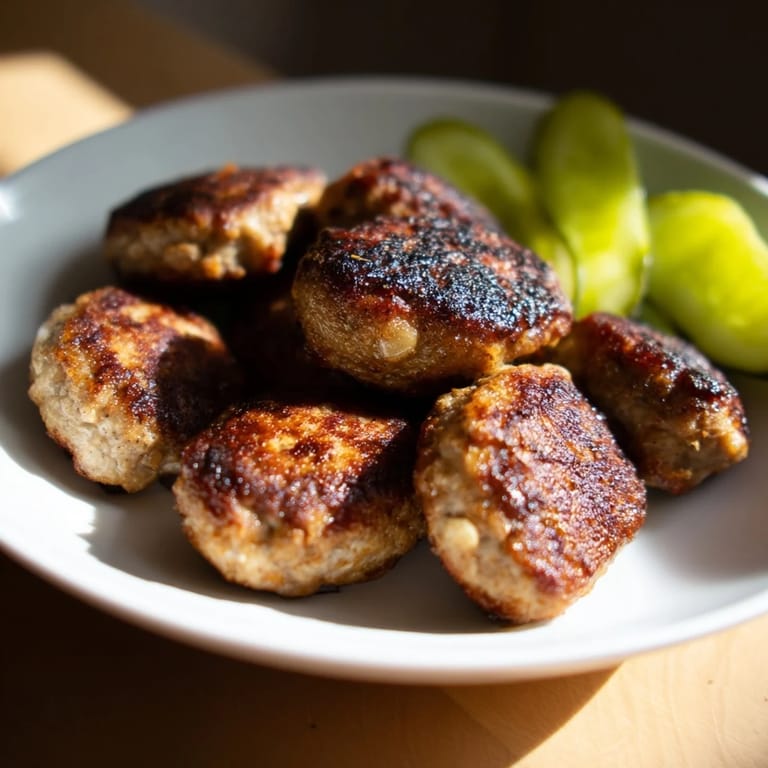
The pickles are non-negotiable—they're not just a garnish, they're essential for balance. Beyond that, you can go traditional with rye bread and boiled potatoes, or keep it simple with just bread and butter. A creamy potato salad or tangy red cabbage slaw works beautifully too, and honestly, leftovers are just as good the next day tucked into a piece of rye bread with mustard.
- Try a dollop of sour cream mixed with fresh dill on the side for unexpected richness.
- Leftover frikadeller make incredible sandwiches if you slice them and toast them lightly in butter.
- They freeze beautifully for up to three months, so make a double batch when you have time.
 Save It
 These meatballs are proof that the best food doesn't need complicated techniques or rare ingredients. They're just pork and pantry staples transformed into something warm and comforting that brings people to the table.
Recipe FAQs
- → What meat can I use for authentic Danish meatballs?
Ground pork is traditional, but mixing pork with veal offers a lighter texture and authentic flavor.
- → How do I achieve a golden crust on the meatballs?
Fry the shaped meatballs in a mixture of butter and neutral oil over medium heat, flattening slightly for even browning.
- → Why should the mixture rest before cooking?
Resting allows the breadcrumbs to absorb moisture, helping the meatballs bind and remain juicy.
- → What side dishes pair well with these meatballs?
Traditional accompaniments include tangy Danish pickles, rye bread, boiled potatoes, or creamy potato salad.
- → Can allspice be omitted without affecting flavor?
Yes, while allspice adds authentic warmth, the meatballs taste delicious without it.