 Save It
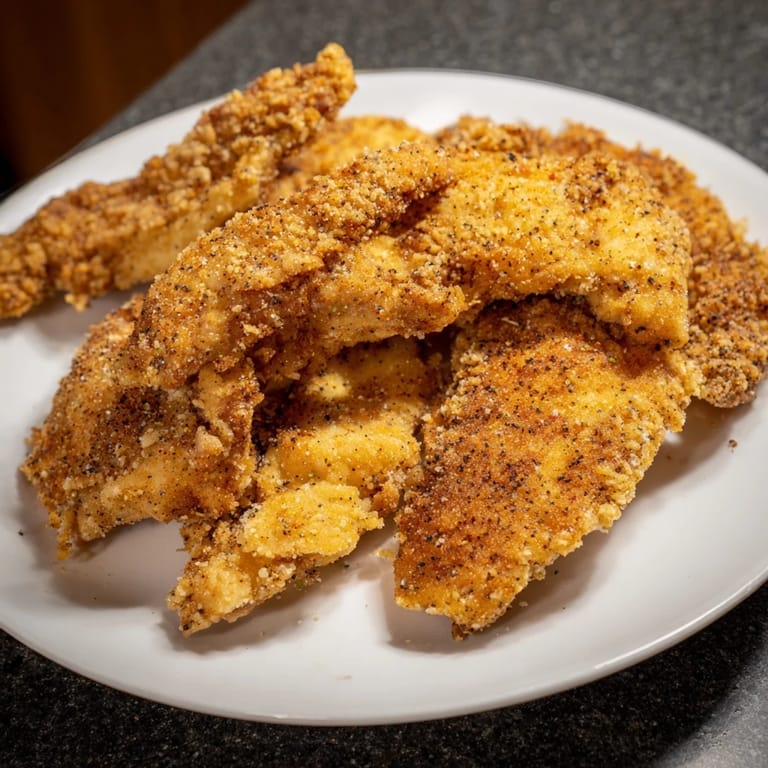
 There's something about the smell of buttermilk hitting hot oil that takes me straight back to my aunt's kitchen on lazy Sunday afternoons. She'd set up this whole assembly line of bowls and plates, humming while she worked, and I'd perch on a stool nearby watching the tenders turn golden. It wasn't fancy or complicated, but somehow those crispy, juicy pieces tasted like pure comfort. Now when I make them, I'm chasing that same feeling, that perfect balance of tender inside and shatteringly crisp outside.
I learned these were essential when my roommate showed up unexpectedly with a friend, and I had exactly 2 hours and basic pantry staples. The buttermilk was sitting in the fridge from pancakes the day before, and I just started mixing. By the time they arrived, the whole apartment smelled incredible, and suddenly I was the person who makes fried chicken. They still text me about it.
Ingredients
- Chicken tenders or breasts: Use fresh if you can, but frozen thawed works fine too. The key is they should all be roughly the same thickness so they cook evenly.
- Buttermilk: Don't skip this. Regular milk won't tenderize the chicken the same way, and the acidity actually matters for the flavor.
- Salt, pepper, garlic powder, onion powder, paprika: These go in both the marinade and the flour, so the seasoning builds in layers. That repetition is intentional.
- Cayenne pepper: Optional, but I always add it because a tiny whisper of heat makes everything taste better.
- All-purpose flour: The baking powder in the mix is the secret to that extra crispy exterior, so don't leave it out.
- Vegetable oil: Use whatever neutral oil you have. The temperature matters way more than the brand.
Tired of Takeout? 🥡
Get 10 meals you can make faster than delivery arrives. Seriously.
One email. No spam. Unsubscribe anytime.
Instructions
- Build your marinade:
- Whisk buttermilk with salt, pepper, garlic powder, onion powder, paprika, and cayenne in a large bowl. The mixture should smell savory and warm. Add your chicken, turn it to coat completely, then cover and refrigerate for at least 2 hours.
- Mix the seasoned flour:
- Combine flour, salt, pepper, paprika, garlic powder, onion powder, and baking powder in a shallow dish. Stir it really well so the spices are evenly distributed, or you'll get some tenders that taste like nothing.
- Dredge with intention:
- Pull a tender from the buttermilk, let the excess drip off for a second, then coat it thoroughly in the flour mixture. Press gently so the coating adheres instead of flaking off in the oil.
- Get your oil ready:
- Heat 2 inches of oil to exactly 350°F. Use a thermometer if you have one. Too cold and you get greasy chicken. Too hot and the outside burns before the inside cooks.
- Fry in batches:
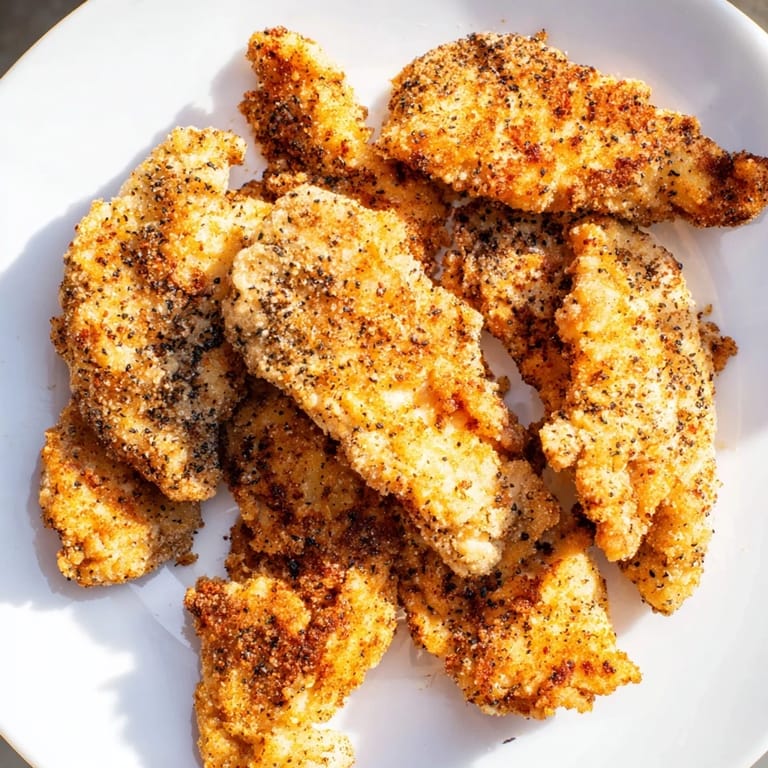
- Work in groups of 3 to 4 tenders at a time so the oil temperature stays steady. Fry 3 to 4 minutes per side until the coating is deep golden and the internal temperature hits 165°F. You'll hear the sizzle quiet down when they're almost done.
- Rest and serve:
- Drain on a wire rack or paper towels to keep them crispy. Eat them while they're still hot and the outside hasn't started to soften.
 Save It
 My partner bit into one of these while we were watching a movie once and literally paused the show to say how good it was. That moment made me realize this dish does something special, it turns an ordinary night into something worth noticing. Now we make it whenever someone needs comfort, or when we just want to feel like we're taking care of ourselves.
The Buttermilk Trick
The buttermilk does way more than just marinate. The acidity breaks down the proteins in a way that regular milk never would, making the chicken tender at a cellular level. I learned this the hard way by experimenting with different liquids one weekend, and it genuinely changed how I think about marinating chicken. The tang also adds a subtle flavor that people can taste but usually can't quite name, and they'll ask you what your secret is.
Coating Strategy
The real magic happens in the flour mixture, and it's worth paying attention to how you apply it. Some people do a single coat, but I've found that pressing the flour into the chicken as you dredge makes all the difference. The coating doesn't just sit on the surface, it actually adheres, so you get maximum crispiness instead of a crust that flakes off.
If you're feeling adventurous, try the double dip trick mentioned in the original notes. Pull a coated tender, dip it back in buttermilk, then coat again in flour. It sounds like overkill, but it creates this extra crispy shell that's honestly phenomenal.
Serving and Pairing Ideas
These tenders are perfect solo, but they're even better with a good dipping sauce. Honey mustard is classic, ranch works, but I'm partial to making a quick sauce with mayo, hot sauce, and a squeeze of lemon if I'm feeling fancy. They also work great in a sandwich, chopped into a salad, or just eaten straight from the plate because you can't wait to plate them properly.
As a side dish, think coleslaw, cornbread, mashed potatoes, or just some fresh greens to balance the richness. The tenders are rich and satisfying on their own, so lighter sides help round out the meal.
- Hot honey drizzle adds a sweet and spicy kick that elevates everything.
- Leftover tenders make incredible sandwiches the next day, cold or reheated gently in the oven.
- These freeze beautifully after cooking, so make extra and thank yourself later.
 Save It
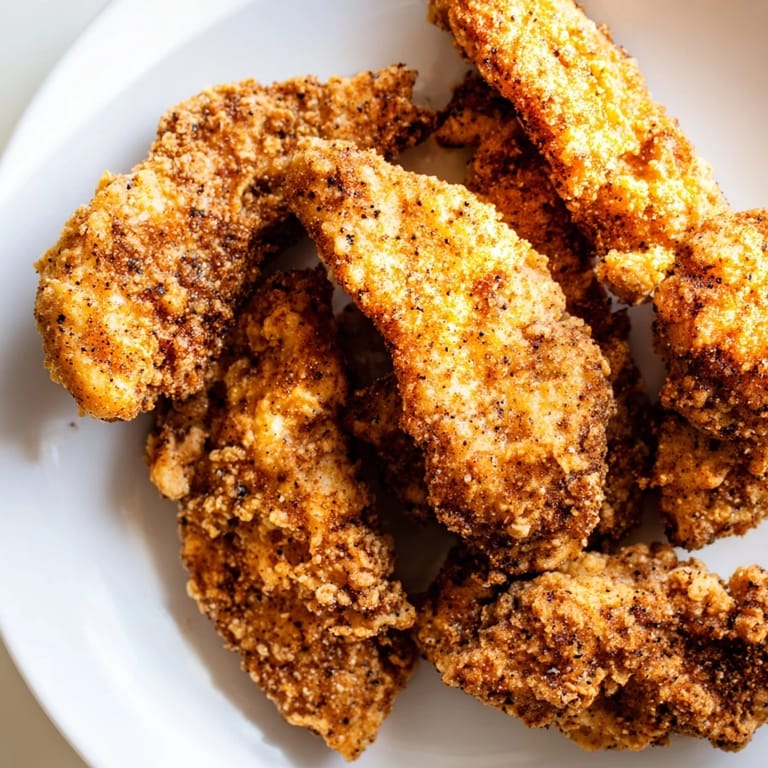
 These buttermilk fried chicken tenders are the kind of recipe that never gets old because it just works. There's nothing complicated about it, but that simplicity is exactly why it shows up on my table again and again.
Recipe FAQs
- → How long should I marinate the chicken for best results?
Marinate the chicken tenders for at least 2 hours to allow the buttermilk and spices to tenderize and flavor the meat deeply.
- → What oil is recommended for frying?
Use a neutral oil with a high smoke point like vegetable or canola oil, heated to about 350°F (175°C) for optimal frying.
- → Can I double coat the chicken for extra crispiness?
Yes, dipping the tenders back into buttermilk then flour again before frying creates a crunchier coating.
- → How do I know when the chicken is cooked through?
Fry until the coating is golden brown and the internal temperature reaches 165°F (74°C) to ensure safe cooking.
- → What spices are used in the flour coating?
The coating includes salt, black pepper, paprika, garlic powder, onion powder, and baking powder for a balanced flavor and crisp texture.