 Save It
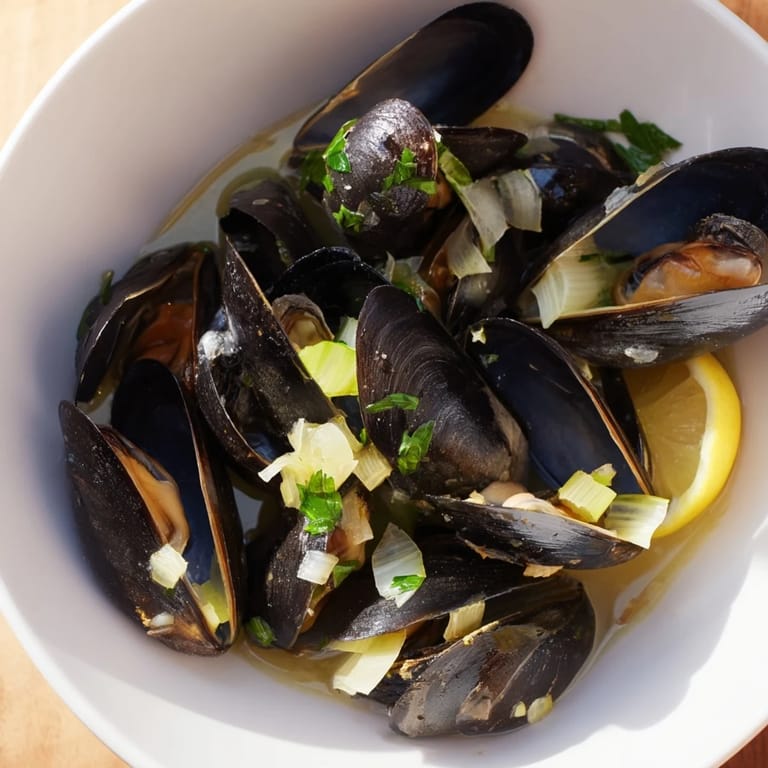
 The first time I cooked moules marinière, I was standing in a Brussels kitchen on a rainy evening, watching my neighbor pull a steaming pot from her stove. She'd invited me over almost casually, as if preparing two kilos of mussels in white wine was just another Tuesday night. Within minutes, the smell of garlic and thyme filled that small kitchen, and I realized I'd been holding my breath. That dish changed how I think about simplicity in cooking—sometimes the most elegant meals come from trusting good ingredients and not overthinking it.
I made this for friends who arrived unannounced on a Friday, and what could have been awkward panic turned into magic. We crowded around the pot, listening to mussels click open, the sound of them suddenly yielding. My younger brother, who usually dodges seafood, ate seven bowls and asked me to write down what I'd done. That's when I knew this recipe wasn't just food—it was a conversation starter, a way to make people feel welcome.
Ingredients
- Fresh live mussels, 2 kg (4.4 lbs): Buy these same day if possible; they're best within hours of harvest, and the fresher they are, the sweeter the broth becomes. Discard any that feel heavy with sand or refuse to close—your instinct will tell you which ones to skip.
- Shallots, 2 medium: Their sweetness balances the wine's acidity and gives the broth a subtle depth that regular onions can't quite match.
- Garlic, 2 cloves: Mince it finely so it softens completely into the aromatics, no harsh edges.
- Leek, white part only, 1 small: This is where magic happens—leeks add a gentle, almost silky note that makes the broth taste more refined.
- Celery, 2 stalks: A small but essential player that adds an earthy undertone and helps round out the flavor profile.
- Fresh flat-leaf parsley, 1 small bunch: Add it at the very end so it stays bright and alive, not cooked into submission.
- Fresh thyme, 2 sprigs: This herb defines the dish; dried thyme simply won't deliver the same aromatic punch.
- Bay leaf, 1: A single leaf is all you need—add more and you'll taste bay overpowering everything else.
- Dry white wine, 300 ml (1 1/4 cups): Use something you'd actually drink; the mussels absorb its character. A Sauvignon Blanc or Pinot Grigio works beautifully.
- Olive oil, 2 tbsp: Good olive oil here matters since it carries so much of the flavor.
- Sea salt and freshly ground black pepper: The mussels themselves bring salinity, so taste before you season.
- Lemon wedges, to serve: Essential for brightness at the table; let people squeeze their own.
Tired of Takeout? 🥡
Get 10 meals you can make faster than delivery arrives. Seriously.
One email. No spam. Unsubscribe anytime.
Instructions
- Prepare the mussels:
- Run them under cold water, scrubbing gently with a brush or cloth. Any that don't close when you tap them are dead and should go straight to the bin—this simple check saves you from an unpleasant surprise later.
- Build the aromatics:
- Heat olive oil in a large pot over medium heat and add the shallots, garlic, leek, and celery. Let them soften for 3 to 4 minutes, listening for them to stop crackling and settle into a gentle sizzle. This isn't rushing—you're coaxing out their sweetness.
- Add the herbs and wine:
- Toss in the thyme and bay leaf, then pour in the white wine. Let it come to a gentle simmer; you'll see wisps of steam and smell the wine's alcohol beginning to cook off.
- Steam the mussels:
- Tip all the cleaned mussels into the pot and clap the lid on tight. Turn the heat to high and let them steam for 5 to 7 minutes, shaking the pot occasionally so they cook evenly. You'll hear them popping open—that's your cue they're almost done.
- Finish and taste:
- Pull the pot from heat and stir in the chopped parsley. Grind black pepper generously over everything and taste the broth before adding salt—you might not need any at all.
- Serve:
- Ladle mussels and broth into deep bowls while everything's steaming hot, with lemon wedges on the side and crusty bread ready for soaking up every drop.
 Save It
 I remember my grandmother telling me that in her village, moules marinière was never fancy or fussy—it was what you made on ordinary days when you wanted dinner to feel extraordinary. She was right. This dish taught me that restraint is its own kind of generosity.
The Broth Is the Whole Point
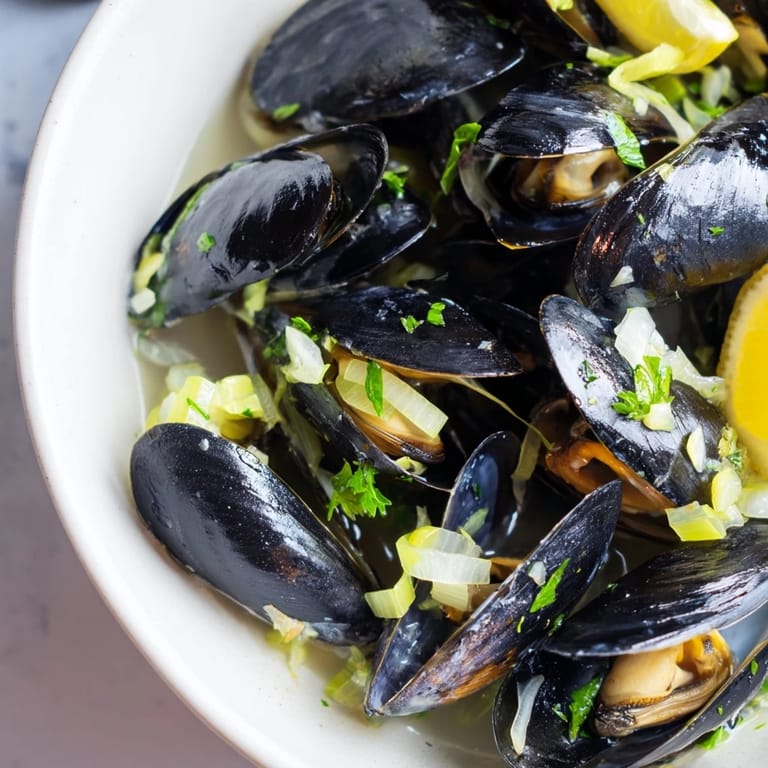
Most people focus on the mussels, but honestly, that aromatic, briny broth is where this dish lives. It's rich from the wine and the mussel juice, fragrant from the herbs, and it begs to be soaked up with bread. I've eaten moules marinière at bistros in Antwerp where they bring warm bread to the table specifically so you can finish every last drop. Don't waste it.
Pairing It Right
Belgians serve this with frites and mayonnaise, and there's wisdom in that combination—the saltiness and warmth of the fries balance the briny mussels, while the mayo cuts through everything with subtle richness. If you're not doing the Belgian route, crusty bread is non-negotiable. A crisp white wine at the table mirrors what's in the pot and keeps everything light and cohesive.
Making It Your Own
The beauty of this recipe is that it's a framework, not a prison. Some cooks add a splash of cream or a knob of butter for richness; others throw in a pinch of saffron or red pepper flakes for warmth. I once made it with Riesling instead of Sauvignon Blanc and the dish became sweeter, almost honeyed. The mussels are forgiving as long as you respect their gentle nature and don't mask their flavor.
- If you can't find fresh thyme, use half the amount of dried—it's more concentrated and can easily overwhelm the dish.
- Save leftover broth for seafood soup the next day; it freezes beautifully for up to three months.
- This dish doesn't improve with time, so cook it to order and eat immediately while everything's hot.
 Save It
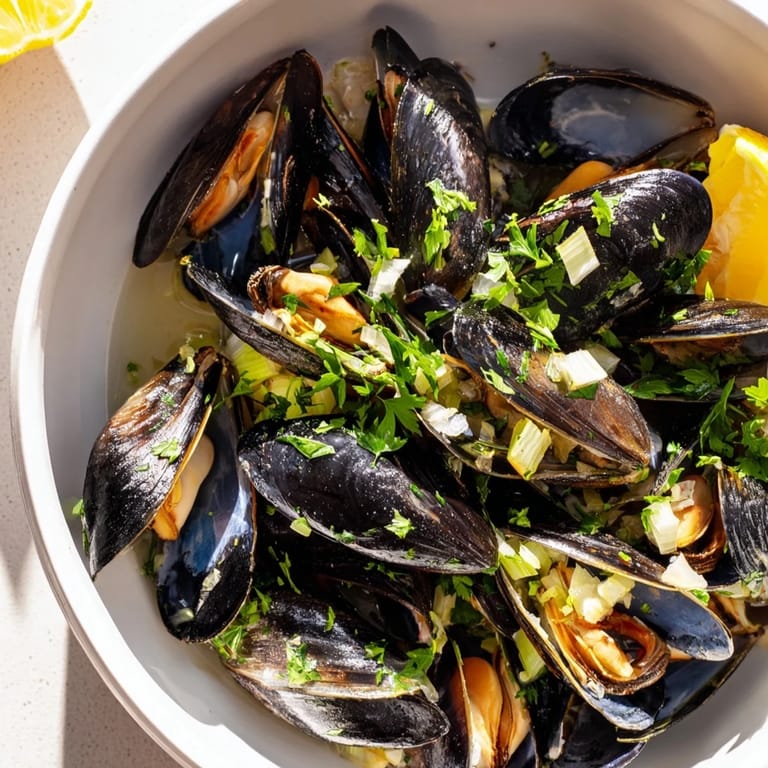
 Cooking moules marinière is about trusting that quality ingredients and a little attention are all you need. Every time I make it, I'm grateful for how simple it is.
Recipe FAQs
- → How do you clean mussels before cooking?
Scrub mussels under cold running water and remove the beard by pulling it toward the hinge. Discard any mussels that are broken or remain open when tapped.
- → Can I substitute white wine with another liquid?
Dry white wine is preferred for its acidity and aroma, but a light vegetable or seafood stock can be an alternative if needed.
- → What herbs enhance the flavor of mussels in this dish?
Thyme, bay leaf, and flat-leaf parsley infuse the broth with subtle, aromatic notes that complement the mussels perfectly.
- → How long should mussels be cooked?
Mussels are steamed for 5–7 minutes until their shells open, indicating they are cooked through. Discard any unopened mussels.
- → What side dishes pair well with this Belgian seafood dish?
Crusty bread is ideal for dipping into the broth, while Belgian fries (frites) and mayonnaise offer a traditional and satisfying accompaniment.