 Save It
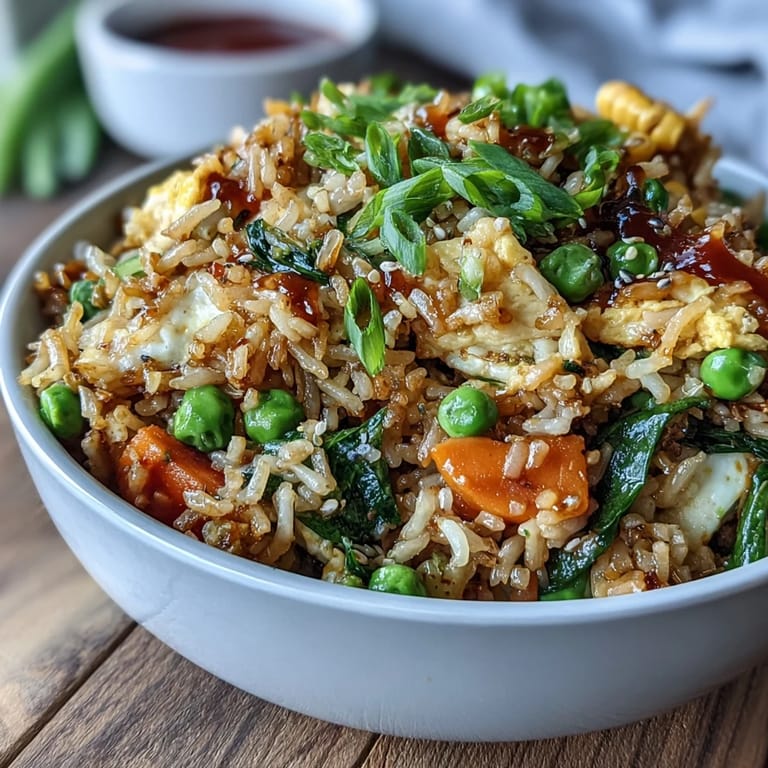
 My kitchen filled with the most wonderful ginger-and-garlic steam the afternoon I discovered that leftover rice could transform into something this vibrant and satisfying. A friend had dropped off a container of cold jasmine rice from takeout the night before, and instead of tossing it, I found myself reaching for whatever vegetables were hiding in the crisper drawer. Twenty minutes later, I was twirling noodles of rice around a wooden spoon, watching the colors bloom as each vegetable hit the heat. That moment taught me that the best meals often come from working with what you have, not what a recipe demands you buy.
I made this for my roommate one Tuesday evening when she came home exhausted from work, and watching her face light up at the smell told me everything I needed to know. She'd been living on cold leftovers and delivery apps, so seeing her actually sit down and enjoy something warm and colorful seemed to matter more than the ten minutes I'd spent cooking. That's when I realized fried rice isn't just convenient—it's genuinely kind food to make for someone.
Ingredients
- Cooked jasmine or long-grain rice (3 cups, preferably day-old and cold): Day-old rice is non-negotiable because fresh rice absorbs moisture and turns mushy; cold rice stays separate and gives you those perfect light grains everyone loves in fried rice.
- Spring peas (1 cup, fresh or frozen): These stay bright green and keep their sweetness, which balances the savory soy sauce beautifully.
- Carrots, finely diced (1 cup): The small dice helps them soften evenly and distribute flavor throughout the rice rather than leaving hard chunks.
- Red bell pepper, diced (1): Adds sweetness, crunch, and those gorgeous color pops that make the whole dish feel alive.
- Green onions, sliced (1/2 cup plus garnish): The white parts go in early for depth, and the green parts get stirred in at the end so they stay fresh and oniony.
- Corn kernels (1/2 cup, optional): A little sweetness that plays nicely with soy, though honestly you can skip this if you prefer your fried rice more savory.
- Garlic, minced (2 cloves): Mince it finely so it cooks quickly and doesn't turn bitter—you're looking for that fragrant moment right before it stops being raw.
- Fresh ginger, minced (1-inch piece): Ginger gives this warmth and complexity that makes people say the rice tastes like something special, even if they can't put their finger on why.
- Large eggs, lightly beaten (2, or omit for vegan): The eggs create little pockets of protein that distribute throughout the rice and add richness without making it heavy.
- Soy sauce or tamari (3 tbsp): This is your main seasoning backbone; tamari works if you need gluten-free, and it's worth tasting as you go because brands vary in saltiness.
- Toasted sesame oil (1 tbsp): A little goes a long way here—this is the ingredient that makes people lean in and ask what you put in it.
- Freshly ground black pepper (1/2 tsp): Grinding it fresh into the pan at the end catches all those volatile oils and gives you so much more flavor than pre-ground.
- Sriracha or chili sauce (1 tsp, optional): Just a quiet heat that doesn't overpower but makes your palate feel alive—add more if you like it spicy.
- Vegetable oil for cooking (2 tbsp total, divided): Use something with a high smoke point; peanut oil is wonderful here if you don't have allergies because it adds a subtle richness.
Tired of Takeout? 🥡
Get 10 meals you can make faster than delivery arrives. Seriously.
One email. No spam. Unsubscribe anytime.
Instructions
- Mise en place (or, get your ducks in a row):
- Slice and dice everything first—fried rice moves fast once you start, so having your vegetables prepped and your rice ready to go is the difference between a relaxed cook and a frantic one. Make sure your rice is cold and broken up; a cold fork dragged through it works better than any knife.
- Start with the slower vegetables:
- Heat 1 tablespoon of vegetable oil in your wok or large skillet over medium-high heat until it shimmers, then add the diced carrots and bell pepper. Let them stir-fry for 2 to 3 minutes—you want them to soften just enough that they're no longer raw but still have a slight resistance when you bite them.
- Build in the aromatics and quick-cooking vegetables:
- Add your minced garlic, ginger, and the spring peas (plus corn if you're using it), and keep stirring for another 2 minutes. You'll start to smell something incredible—that's when you know the garlic and ginger are releasing their oils and becoming part of the dish rather than just ingredients sitting on top.
- Make room for the eggs:
- Push all your vegetables to the side of the pan, add the remaining tablespoon of oil to the empty space, and pour in your beaten eggs. Let them sit for just a few seconds before you start breaking them up with a spatula into small, soft curds—they should look scrambled and just barely set. Then fold them into the vegetables.
- Combine everything with the rice:
- Add all your cold rice to the pan and break up any clumps by pressing them against the side with your spatula. Toss everything together for a minute or so, making sure the rice coats itself in the rendered egg and vegetable flavors.
- Season and finish strong:
- Drizzle in your soy sauce, sesame oil, and sriracha if you're using it, then crack fresh black pepper over everything. Stir-fry for 3 to 4 minutes more until the rice is heated all the way through and everything has taken on that glossy, evenly coated look. When you lift a spoonful, individual grains should cascade back into the pan rather than clumping together.
- Final flourish:
- Remove from the heat, stir in your sliced green onion tops, and taste. Add more soy sauce or sriracha if you want, then serve immediately with extra green onions scattered on top.
 Save It
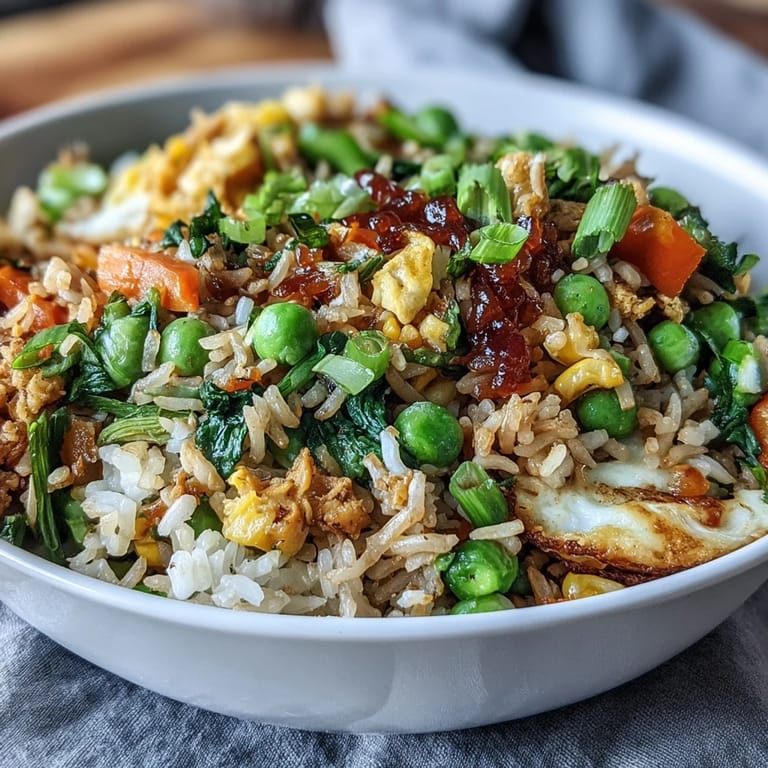
 There's something almost meditative about the moment when you push vegetables aside and watch eggs scramble in that tiny patch of hot oil, knowing you're about to pull it all together into something unified and warm. My partner wandered into the kitchen during that exact moment once and just stood there breathing in the steam, which is maybe the highest compliment a home-cooked meal can get.
The Secret Life of Leftover Rice
Fried rice exists because someone, somewhere, didn't want to waste rice and decided to celebrate that decision instead of apologizing for it. The technique works because cold rice has already lost some moisture and its starches have set, which means each grain stays independent rather than clustering together. This is the opposite of how fresh rice cooks, where moisture helps the starch gelatinize and everything bonds. Understanding that one thing—that fried rice is a fundamentally different cooking process than steaming or boiling—changes how you approach it. You're not reheating rice; you're giving it a second life with completely different characteristics and flavors.
Playing with Vegetables and Seasons
The beauty of fried rice is that it's a vessel for whatever you have or whatever looks good at the market that week. In summer, I'll throw in diced zucchini and snap peas; in winter, broccoli florets and mushrooms show up instead. The cooking principle stays the same—items that take longer go in first, quick vegetables go in later—but the final taste shifts completely depending on what's in season. I've learned that honoring the seasons by cooking with what's actually fresh right now makes fried rice taste more alive than forcing spring peas in December.
Making It Your Own
This recipe is more of a template than a rule, and that's the whole point. Once you understand the mechanics—that rice needs to be cold, that you cook vegetables in stages based on how long they take, that soy sauce is your main seasoning anchor—you can improvise freely. I've added cashews for crunch, switched in coconut aminos for soy sauce, swapped sesame oil for a drizzle of chili oil, and even played with brown rice when white rice wasn't around. The dish has never let me down, which tells me it's built on solid fundamentals rather than needing exact precision.
- Add cubed tofu or crispy tempeh sautéed separately for extra protein and a different texture entirely.
- Swap tamari for soy sauce if you need gluten-free, and double-check all your sauces because hidden gluten hides everywhere.
- Leftover roasted vegetables work beautifully here—just add them at the very end so they warm through without falling apart.
 Save It
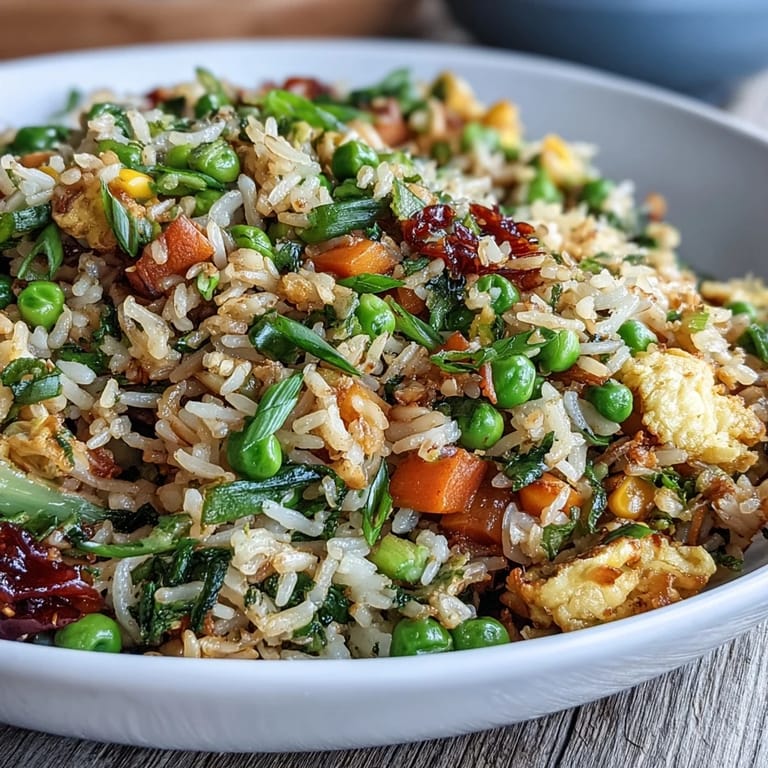
 Fried rice has taught me that some of the best meals are born from improvisation and making peace with what you have. There's something honest and nourishing about a bowl of rice and vegetables tossed together with intention, and the fact that it comes together in thirty minutes is almost beside the point.
Recipe FAQs
- → Can I substitute jasmine rice with other types?
Yes, long-grain rice or leftover cooked rice works best to maintain the right texture for stir-frying without becoming mushy.
- → How do I make this vegan-friendly?
Omit the eggs and replace them with scrambled tofu or extra vegetables to keep the dish plant-based and hearty.
- → What vegetables can I add instead of peas and carrots?
Broccoli, zucchini, snap peas, or corn can be great seasonal swaps to keep the dish fresh and vibrant.
- → How do I prevent the rice from sticking or clumping?
Use cold, day-old rice chilled in the refrigerator. This ensures each grain stays separated during stir-frying.
- → Can I adjust the spice level?
Yes, add sriracha or chili sauce to taste when stirring in the sauces, or omit altogether for a milder version.