 Save It
 I stumbled on this recipe one Wednesday night when I had a huge bag of arugula wilting in the fridge and no pine nuts in sight. I'd been craving pesto but needed something different, something that wouldn't send me to the store. The cottage cheese was a wild guess, honestly, but it turned that peppery arugula into the creamiest, tangiest sauce I'd tasted in months. My kitchen smelled like lemon and garlic, and I remember thinking this might actually work better than the traditional version.
The first time I served this to friends, they kept asking what made the pesto so creamy and why it tasted lighter than usual. When I told them it was cottage cheese, there was this moment of silence, then everyone went back for seconds. One friend even texted me the next day asking for the recipe because she'd been thinking about it all morning. It became my go to whenever I wanted to impress without the pressure, just good pasta and a sauce that somehow feels both indulgent and fresh.
Ingredients
- Linguine: The flat shape holds onto that creamy pesto better than round pasta, and it twirls beautifully on a fork.
- Fresh arugula: Look for bright green leaves without yellow edges, the peppery punch is what makes this pesto sing.
- Cottage cheese: This is the secret ingredient that replaces heavy cream and nuts, adding body and a subtle tang that balances the garlic.
- Parmesan cheese: Freshly grated is key here, the pre shredded stuff won't melt into the pesto the same way.
- Garlic clove: One clove is plenty, any more and it can overpower the delicate arugula flavor.
- Extra virgin olive oil: Use a good quality oil, you'll taste it in every bite.
- Fresh lemon juice: This brightens everything and cuts through the richness, don't skip it.
- Salt and black pepper: Season boldly, pasta needs more salt than you think.
Tired of Takeout? 🥡
Get 10 meals you can make faster than delivery arrives. Seriously.
One email. No spam. Unsubscribe anytime.
Instructions
- Boil the pasta:
- Get your water as salty as the sea, that's where the pasta picks up its flavor. Don't forget to save some of that starchy cooking water before you drain, it's liquid gold for loosening the sauce.
- Blend the pesto:
- Toss everything into the food processor and let it run until the mixture is smooth and almost fluffy. Scrape down the sides halfway through so no garlic chunks hide at the bottom.
- Toss it all together:
- Add the pesto to the hot drained pasta and stir gently, letting the heat help everything coat evenly. Drizzle in that reserved pasta water bit by bit until the sauce clings to each strand without pooling at the bottom.
- Serve it up:
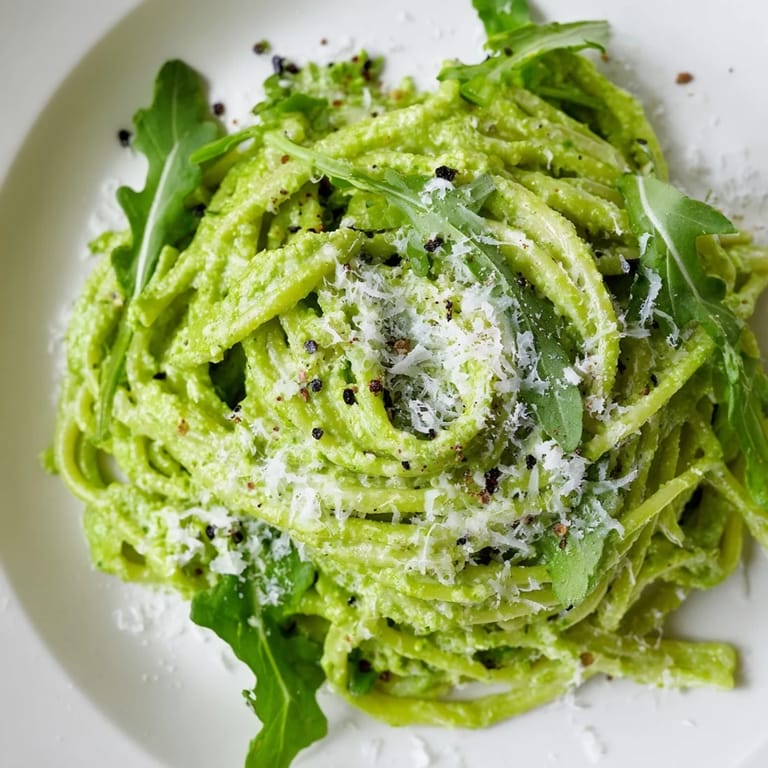
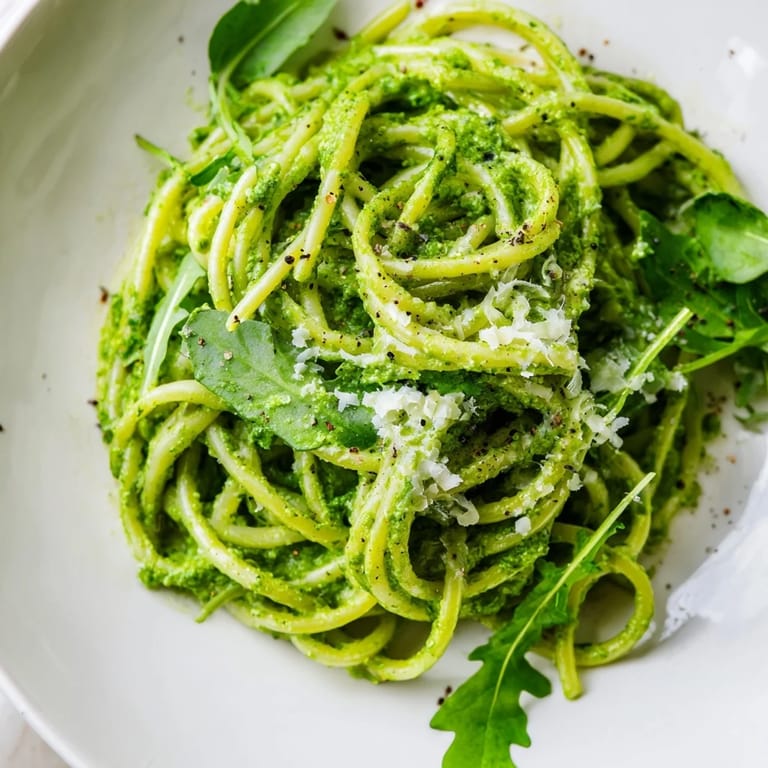
- Pile it into bowls while it's still steaming, then top with extra arugula, a shower of Parmesan, and a few grinds of pepper. Eat it immediately, this dish is best when it's too hot to wait.
 Save It
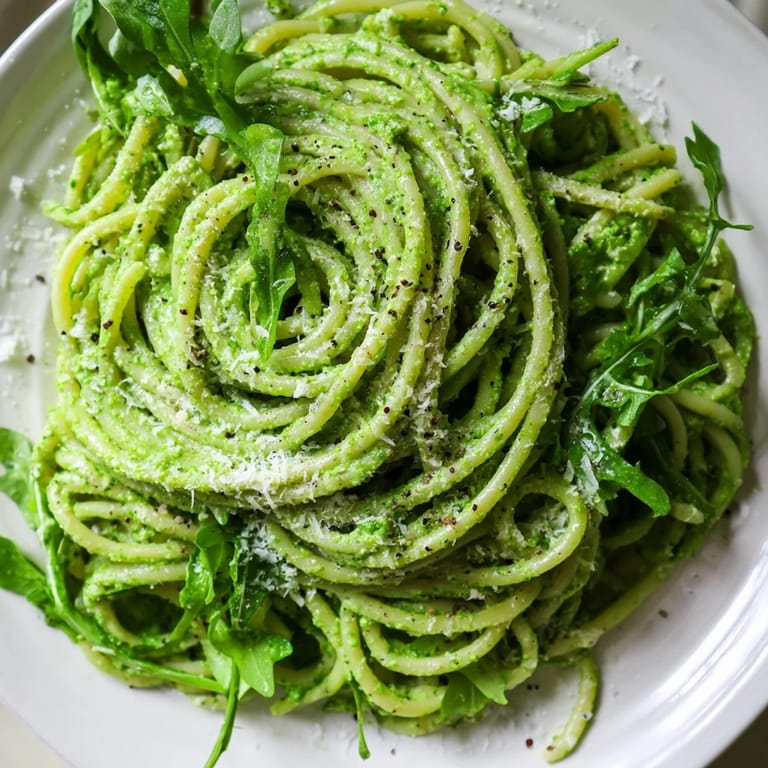
 There's this moment after you toss the hot pasta with the pesto when the whole pot turns this gorgeous green and the steam carries up that garlicky, lemony smell. I always pause there for a second, because it feels like a small victory, turning a handful of greens and pantry staples into something this satisfying. It's the kind of dish that makes you want to cook more often, because it reminds you that good food doesn't have to be complicated.
Choosing Your Greens
Arugula brings that signature peppery bite, but I've also made this with a mix of arugula and spinach when I wanted something milder. Spinach alone can taste a little flat, so if you go that route, add an extra squeeze of lemon and maybe a pinch of red pepper flakes. Baby kale works too, though it needs a longer blend to break down. The key is using greens that are fresh and dry, any moisture will water down your pesto and make it harder to coat the pasta.
Making It Your Own
Sometimes I stir in halved cherry tomatoes right at the end for a pop of sweetness, or I'll top it with grilled chicken if I need more protein. A handful of toasted sunflower seeds adds crunch without bringing nuts into the mix, and they echo that earthy flavor you'd get from pine nuts. If you want it richer, swap half the cottage cheese for ricotta, though I love the tang the cottage cheese brings. This recipe is forgiving, so trust your instincts and taste as you go.
Storing and Reheating
Leftovers keep in the fridge for up to two days, though the pesto can thicken and lose some of its brightness. When you reheat it, add a splash of water or olive oil and warm it gently in a pan, stirring constantly so the sauce doesn't separate. I've also eaten it cold, straight from the fridge, and it works as a pasta salad if you toss in some extra arugula and a drizzle of lemon juice.
- Store the pesto separately if you're meal prepping, it stays fresher that way.
- Toss cold pasta with a little olive oil before refrigerating so it doesn't clump.
- If the pesto looks dull after a day, stir in a teaspoon of lemon juice to wake it back up.
 Save It
 This is the kind of pasta that makes weeknight cooking feel less like a chore and more like a small celebration. I hope it becomes one of those recipes you make without looking, the kind that feels like home.
Recipe FAQs
- → Can I make this pesto ahead of time?
Yes, prepare the pesto up to 24 hours in advance and store it in an airtight container in the refrigerator. Bring it to room temperature or warm gently before tossing with hot pasta for best flavor distribution.
- → What's the best way to achieve the right sauce consistency?
Add reserved pasta water gradually while tossing. Start with a small amount and increase until the pesto coats the linguine smoothly. The starch in pasta water helps the sauce cling beautifully to each strand.
- → Is there a good substitute for cottage cheese?
Ricotta cheese is an excellent alternative with a similar creamy texture. You can also use Greek yogurt for a tangier version, using the same quantity as the cottage cheese called for.
- → How do I prevent the pesto from turning dark?
Use fresh, vibrant arugula and process the pesto just before serving. Avoid over-blending and keep it away from prolonged heat. The bright green color stays best when the dish is assembled and served immediately.
- → What wine pairs best with this dish?
Crisp white wines work wonderfully. Choose a Sauvignon Blanc for citrus notes that complement the lemon juice, or a light Pinot Grigio for delicate minerality that won't overpower the fresh pesto flavors.
- → Can I add protein to make it heartier?
Absolutely. Grilled chicken breast, roasted cherry tomatoes, or white beans integrate beautifully. For seafood lovers, sautéed shrimp adds wonderful protein while maintaining the dish's light, fresh character.