 Save It
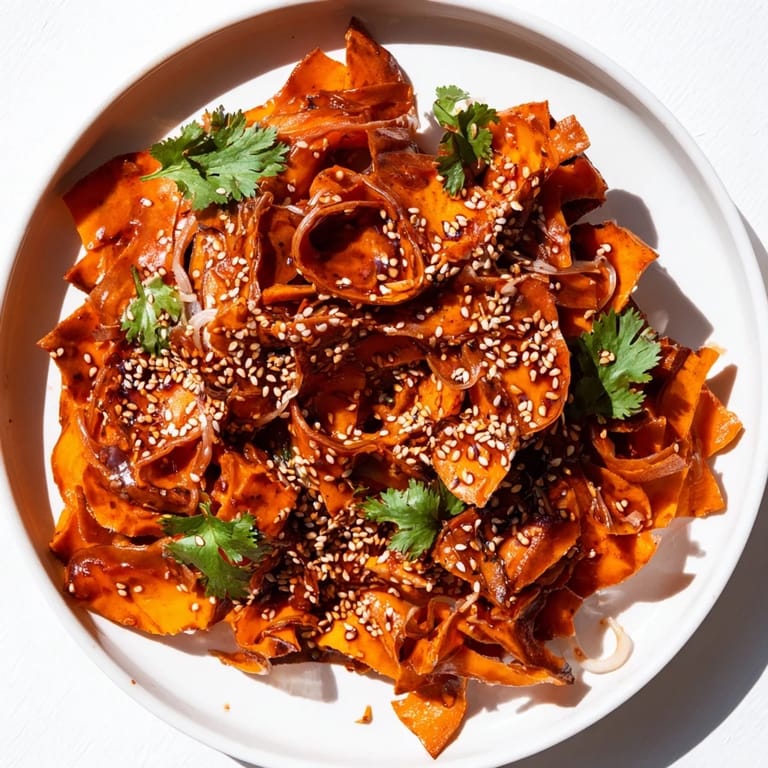
 The first time I peeled a swede, I had no idea what to do with it. It sat on my counter for three days before I finally grabbed my peeler and started shaving it into ribbons, more out of stubbornness than inspiration. When those pale yellow strands hit the hot oven and started to caramelize, the kitchen filled with a sweet, earthy smell that made me forget I'd been avoiding the thing all week. I tossed them with gochujang I'd bought on a whim, and suddenly this humble root vegetable turned into something I couldn't stop eating.
I made this for a friend who swore she didn't like Korean food, and she scraped her bowl clean before asking what was in it. When I told her it was swede, she laughed and said she'd been calling it rutabaga her whole life and avoiding it just as long. We ended up making it together the next week, and she admitted the roasting was the key, that it turned something she remembered as bitter and bland into something almost sweet. Now she texts me photos every time she finds a good-looking swede at the market.
Ingredients
- Swede (rutabaga): Choose one that feels heavy for its size and has smooth skin, the ribbons roast beautifully and develop a caramelized sweetness that balances the spicy dressing.
- Rice noodles: I prefer the flat kind because they hold onto the sauce better, but any shape works as long as you don't overcook them.
- Gochujang: This Korean chili paste is the heart of the dish, offering a deep, fermented heat that's totally different from sriracha or hot sauce.
- Maple syrup: It rounds out the heat and saltiness with just enough sweetness, honey works too but maple has a subtle depth I prefer.
- Sesame oil: A little goes a long way, use the toasted kind for that nutty aroma that makes everything smell like a restaurant kitchen.
- Spring onions: They add a sharp, fresh bite that cuts through the richness, I slice them thin so they blend in without overpowering.
- Sesame seeds: Toasting them for a minute in a dry pan makes them taste ten times better, don't skip this step.
- Fresh cilantro: Some people love it, some people taste soap, use whatever herb makes you happy.
Tired of Takeout? 🥡
Get 10 meals you can make faster than delivery arrives. Seriously.
One email. No spam. Unsubscribe anytime.
Instructions
- Preheat and prep:
- Set your oven to 220°C (425°F) and let it get really hot while you peel and ribbon the swede. A vegetable peeler works fine, but a mandoline makes it faster if you're careful with your fingers.
- Roast the swede:
- Toss the ribbons with oil, salt, and pepper, then spread them out on a baking sheet without crowding. Roast for 25 to 30 minutes, flipping halfway, until the edges turn golden and start to crisp up.
- Cook the noodles:
- While the swede roasts, boil the rice noodles according to the package, usually just a few minutes. Drain them, rinse under cold water to stop the cooking, and set aside so they don't clump.
- Make the dressing:
- Whisk together the gochujang, soy sauce, maple syrup, rice vinegar, sesame oil, garlic, ginger, and chili flakes if you like heat. Add water a tablespoon at a time until it's smooth and pourable, not too thick.
- Toss everything together:
- In a large bowl, combine the roasted swede, noodles, spring onions, carrot, and bean sprouts if using. Pour the dressing over and toss with your hands or tongs until every ribbon is coated.
- Serve:
- Plate it up immediately, sprinkle with toasted sesame seeds and cilantro. It's best when the swede is still warm and the noodles are cool, the contrast is perfect.
 Save It
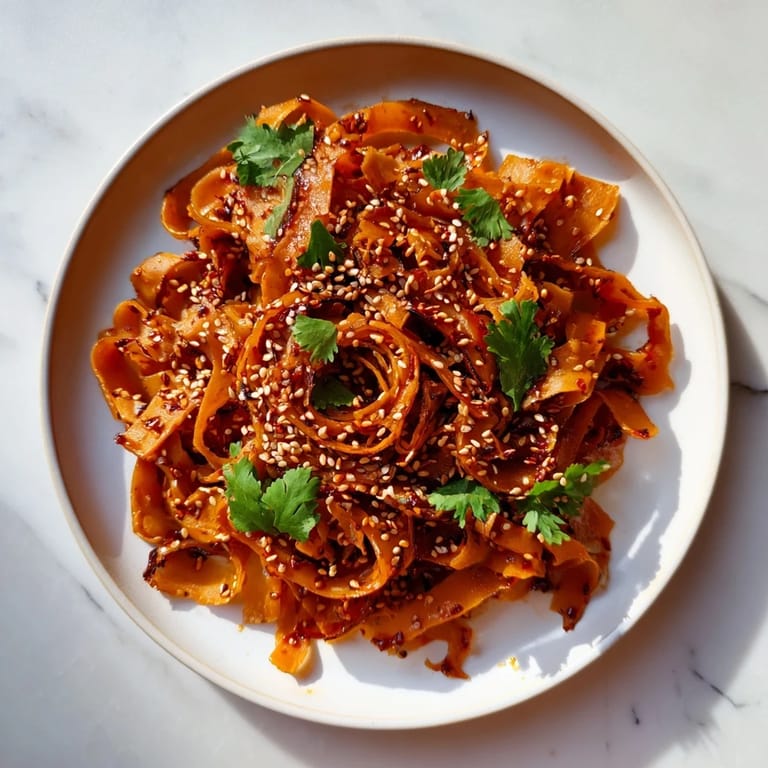
 There's something about the way the sesame seeds scatter across the bowl that makes this dish feel special, even when I'm eating it alone on a Tuesday night. I've served it at potlucks where people asked for the recipe before they'd even finished their first helping, and I've made it for myself when I needed something that felt like a hug but didn't require much thought. It's become one of those recipes I make without measuring anymore, just tasting and adjusting until it feels right.
Choosing and Preparing Swede
I used to think swede was too tough to work with, but once I learned to peel it properly, everything changed. Use a sharp vegetable peeler and take off a thick layer of the waxy skin, then either use a julienne peeler for ribbons or a knife if you're confident. The key is keeping the pieces thin enough to roast quickly but thick enough that they don't disintegrate, about the thickness of a coin. If you end up with some thicker chunks, just roast them a bit longer until they're tender.
Adjusting the Heat Level
Gochujang has a sneaky heat that builds as you eat, so start with the amount in the recipe and add more if you want. I once made this for my sister who can't handle spice, and I halved the gochujang and skipped the chili flakes, and she still loved it. On the other hand, when I'm cooking just for myself, I add an extra tablespoon of gochujang and a drizzle of chili oil on top. The dressing keeps in the fridge for a week, so you can always make extra and adjust it to your mood.
Serving Suggestions and Add-Ins
This dish is flexible in the best way, I've added crispy tofu, soft-boiled eggs, and even leftover roasted chicken when I needed more protein. Bean sprouts and julienned carrot add crunch, but I've skipped them when I'm lazy and it's still delicious. Sometimes I serve it warm, sometimes cold the next day straight from the fridge, and both versions have their own appeal.
- Top with a fried egg for richness and extra protein that makes it feel like a complete meal.
- Add edamame or pan-fried tofu if you want something more substantial without changing the flavor profile.
- Serve with a side of quick-pickled cucumbers to cut through the richness and add a refreshing crunch.
 Save It
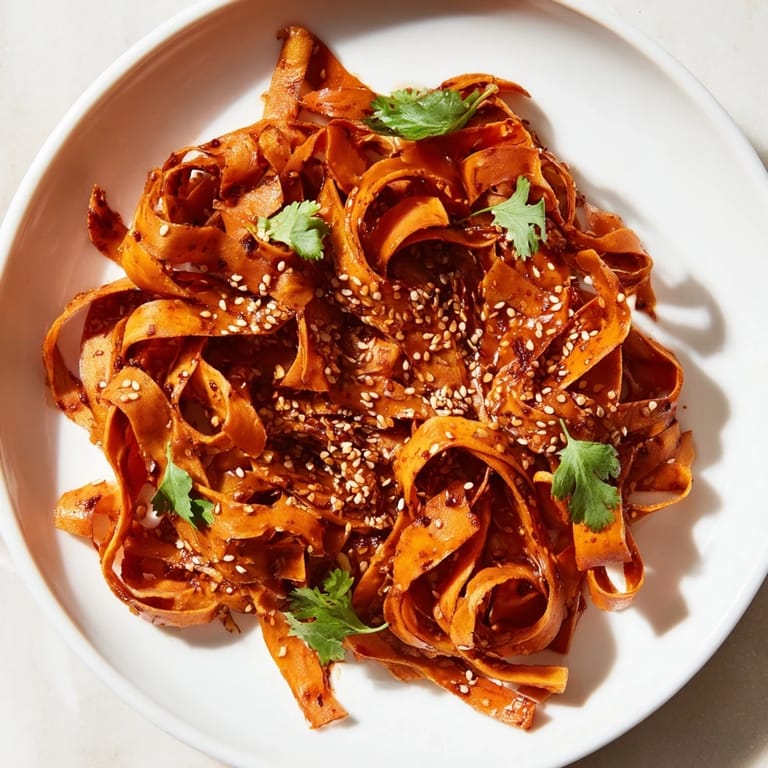
 Every time I make this, I'm reminded that the best recipes are the ones that surprise you, that take something ordinary and make it feel new. I hope this becomes one of those dishes for you too.
Recipe FAQs
- → Can I prepare this dish ahead of time?
Yes, roast the swede and cook the noodles in advance. Store separately in airtight containers. Prepare the dressing fresh and combine everything just before serving to maintain texture and prevent the noodles from becoming soggy.
- → What can I substitute for swede?
Turnips, parsnips, or zucchini work well as alternatives. Adjust roasting time based on thickness—thinner vegetables may cook faster. Root vegetables like beets add earthiness, while leafy greens can replace swede for a lighter version.
- → How do I make this gluten-free?
Replace soy sauce with tamari and verify your gochujang is certified gluten-free, as some brands contain wheat. Check all ingredient labels carefully, especially the chili paste and sesame oil, to avoid cross-contamination.
- → What protein options pair well with this dish?
Pan-fried tofu, edamame, chickpeas, or tempeh complement the Korean-inspired flavors beautifully. For non-vegan options, try grilled chicken, shrimp, or poached eggs. Aim for 4-6 ounces of protein per serving.
- → Can I adjust the spice level?
Absolutely. Reduce or omit the chili flakes for milder heat, or add extra for intensity. The gochujang itself provides baseline spice, so adjust gradually until you reach your preferred level. Taste the dressing before combining with noodles.
- → What wine pairs well with this dish?
Crisp, aromatic whites like Riesling or Gewürztraminer balance the spicy gochujang. Light lagers or crisp pilsners work for beer pairings. The sweetness and acidity in these beverages complement the dish's complex flavors.