 Save It
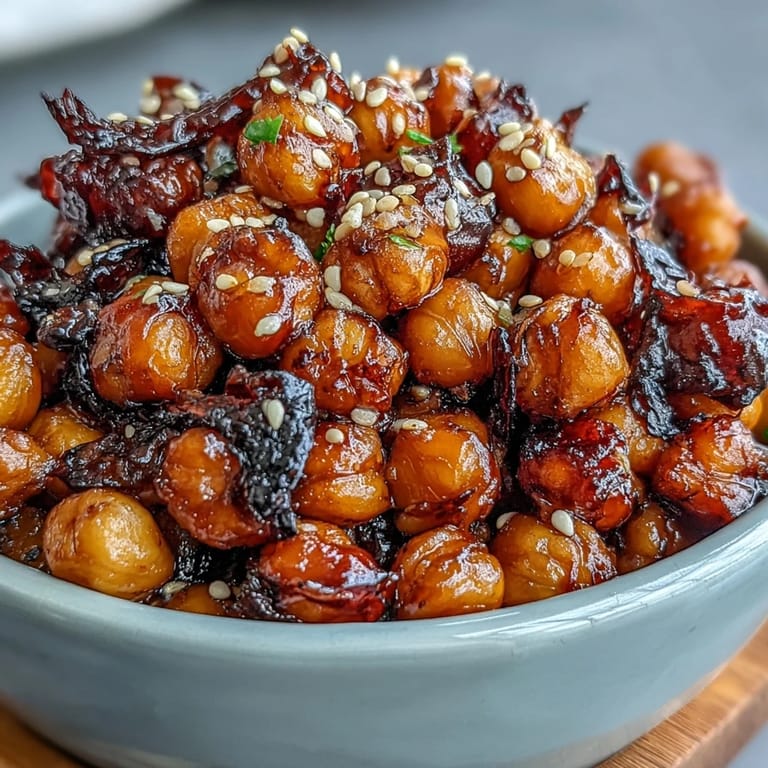
 My roommate came home one evening raving about crispy chickpeas she'd had at a pop-up restaurant, describing them as golden little gems that shattered between her teeth. I became obsessed with recreating that crunch, and after a few kitchen experiments, I landed on this chili-garlic version that's become my go-to when I need something that feels both indulgent and honest. The beauty of it is how quickly it comes together—no fancy techniques, just good timing and the oven doing most of the work. Served over jasmine rice, it transforms into something that tastes like you spent hours cooking, when really you've just been patient.
I made this for my friend who'd just gone vegan and was worried about feeling deprived at dinner. When she took that first bite, her whole expression changed—she literally said, "Wait, this is actually delicious?" as if she'd expected cardboard. That moment made me realize how much our expectations shape what we taste, and how a simple bowl of rice and chickpeas could be a small kind of proof that cooking for someone matters.
Ingredients
- Chickpeas (2 cans, drained and rinsed): Buy them in bulk if you use them often—canned ones are already cooked, so you're just crisping them up, which means less planning ahead and more spontaneity in the kitchen.
- Olive oil (2 tbsp): Use a neutral olive oil here, not your fancy finishing one; you want the coating to promote crispiness, not add floral notes.
- Smoked paprika (1 tsp): This is the secret flavor carrier—it gives depth without heat, so if you only have regular paprika, add an extra pinch for the smoky quality.
- Ground cumin (1/2 tsp): Toast it in a dry pan first if you have time; the smell alone will make your kitchen feel purposeful.
- Chili garlic sauce (3 tbsp): Sambal oelek is the traditional choice, but honestly, any good-quality chili paste works—I've used sriracha in a pinch and it shifted the flavor slightly toward sweetness, which wasn't bad, just different.
- Soy sauce or tamari (1 tbsp): Tamari is your friend if gluten matters to you; the flavor is nearly identical, so don't stress about substituting.
- Maple syrup or agave nectar (1 tbsp): This balances the heat and salt—skip it and the sauce tastes sharp and one-note, include it and everything rounds into harmony.
- Rice vinegar (1 tbsp): The acid keeps the sauce bright; regular vinegar works but tastes harsher, so rice vinegar is worth seeking out.
- Fresh garlic and ginger (2 cloves and 1 tsp): Fresh matters here more than anywhere else in the recipe because they're not cooked long enough to mellow—the sharpness is part of the appeal.
- Jasmine rice (1 1/2 cups): Its perfume matters; brown rice or quinoa will work nutritionally, but you lose that subtle floral quality that makes the whole bowl feel more refined.
- Scallions, sesame seeds, cilantro, and lime: These aren't afterthoughts—they're the finishing notes that make each bite feel intentional and complete.
Tired of Takeout? 🥡
Get 10 meals you can make faster than delivery arrives. Seriously.
One email. No spam. Unsubscribe anytime.
Instructions
- Get your mise en place ready:
- Preheat the oven to 425°F and line a baking sheet with parchment paper while you're thinking about it. This five-minute head start prevents that awkward scramble when you've got wet chickpeas sitting in a bowl getting impatient.
- Dry those chickpeas like your life depends on it:
- Pat them very dry with paper towels—this is genuinely the most important step and the one people rush. Moisture is the enemy of crispiness, so take your time and maybe even let them sit uncovered for a few minutes to air dry.
- Season and coat with purpose:
- Toss the dried chickpeas with olive oil, paprika, cumin, salt, and pepper in a bowl. The coating should look even and slightly glossy, like they're ready for something important.
- Spread and roast with patience:
- Make the rice while chickpeas roast:
- Rinse jasmine rice under cold water until the water runs clear—this removes excess starch and prevents gluey results. Combine with water and salt in a saucepan, bring to a boil, cover, reduce heat, and simmer for 15 minutes, then let it rest covered for 5 minutes before fluffing.
- Whisk together your sauce:
- Combine chili garlic sauce, soy sauce, maple syrup, rice vinegar, minced garlic, and grated ginger in a small bowl. The smell should make you pause for a moment and appreciate what you're creating.
- Toss and coat the crispy chickpeas:
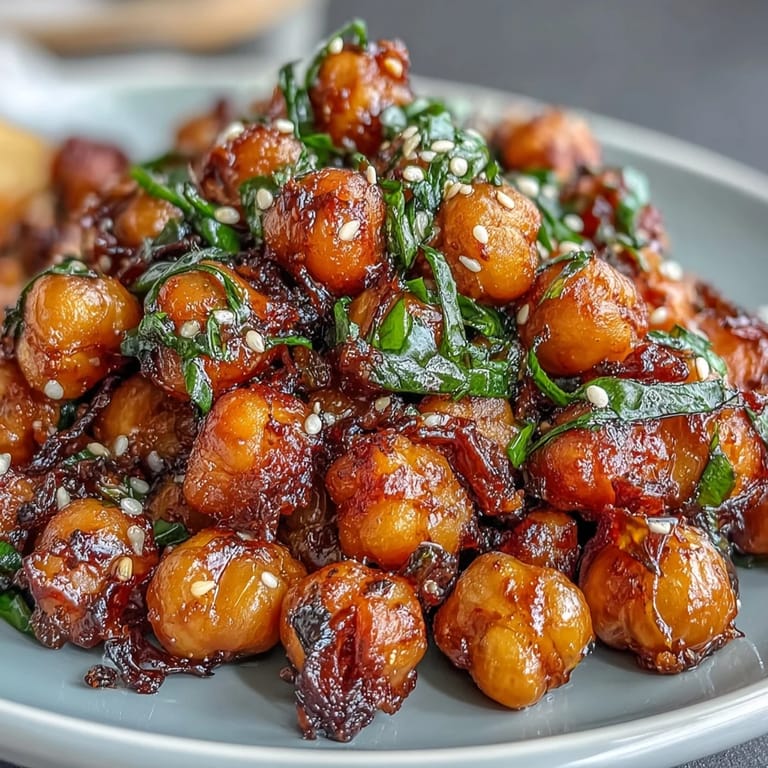
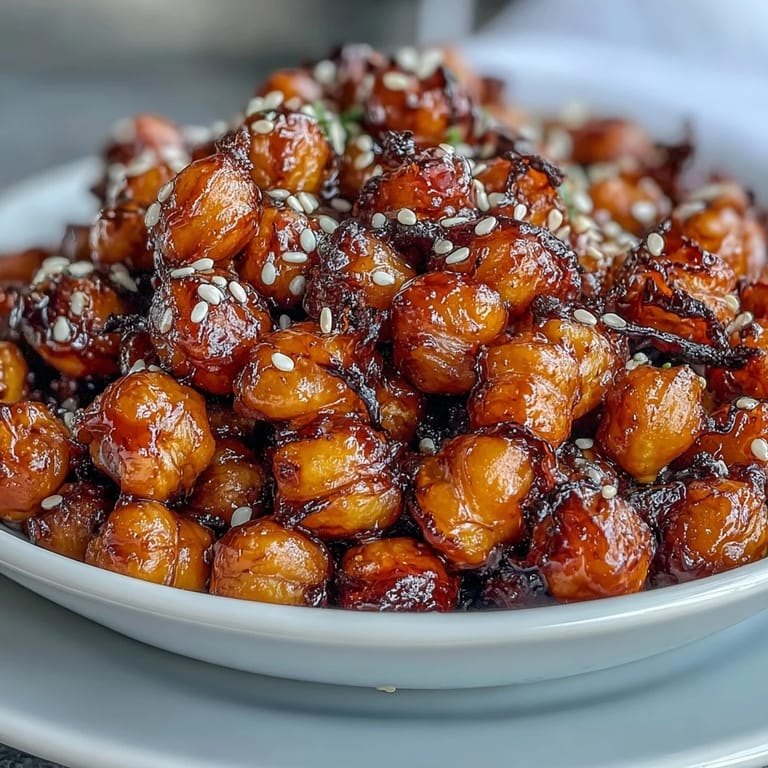
- When the chickpeas are golden and crispy, transfer them to a bowl while they're still warm and immediately drizzle with the sauce. The warmth helps the flavors meld, and the chickpeas will stay crispy because you're tossing, not drowning them.
- Compose each bowl like you mean it:
- Divide rice among serving bowls, top with spiced chickpeas, then shower with scallions, sesame seeds, cilantro, and a squeeze of lime. This final step takes one minute and transforms everything into something that looks as good as it tastes.
 Save It
 There's something quietly powerful about watching someone enjoy a plant-based meal without thinking twice about what's missing. This dish taught me that abundance in cooking isn't about quantity or complexity—it's about each element doing exactly what it's supposed to do and the whole being greater than the sum.
Why This Combination Works
Crispy textures against soft rice creates contrast that keeps your palate interested through the whole bowl. The chili-garlic sauce provides heat and umami depth, while the maple syrup tempers the intensity just enough that the flavors feel balanced rather than aggressive. Jasmine rice's gentle floral notes don't compete with the bold sauce—instead, they provide a canvas that lets everything shine. The cool brightness of lime and cilantro at the end acts like a reset button, making you want another bite.
Making It Your Own
This recipe is flexible in ways that matter and rigid in ways that don't. You can swap brown rice or quinoa for jasmine without compromising the dish's integrity, and you can adjust heat levels by adding red pepper flakes or toning things down with more maple syrup. What you can't skip is the crisping of the chickpeas and the freshness of the final garnishes—those are the non-negotiables that make this special.
Storage and Make-Ahead Wisdom
The cooked rice lasts several days refrigerated and reheats gently with a splash of water, while the sauce keeps for a week in a sealed container. The roasted chickpeas are best eaten the day they're made because reheating softens them slightly, though they're still good room temperature as a snack the next day. I usually make the sauce ahead when I have time, which means the actual cooking comes down to roasting chickpeas and reheating rice—making it feel less like cooking and more like assembly.
- Prep the sauce and rice the night before if you want a truly quick dinner.
- Store chickpeas and sauce separately if you're meal prepping, then combine just before eating.
- This dish travels well for lunch—pack components separately and assemble at your desk for maximum crispiness.
 Save It
 This recipe became one of my most-repeated meals because it delivers satisfaction without demanding much from you. It's proof that simple, intentional cooking creates room for joy.
Recipe FAQs
- → How do I achieve crispy chickpeas?
Pat chickpeas very dry and toss with oil and spices before roasting at high heat, shaking halfway through to ensure even crispness.
- → Can I substitute jasmine rice with other grains?
Yes, brown rice or quinoa work well as alternatives, offering different textures and flavors.
- → What adds the spicy flavor to the dish?
The chili garlic sauce—made with chili garlic paste, soy sauce, and fresh ginger—provides a balanced spicy and tangy kick.
- → Is this suitable for gluten-free diets?
Use tamari instead of soy sauce to keep the dish gluten-free without compromising flavor.
- → What garnishes enhance this dish?
Thinly sliced scallions, toasted sesame seeds, fresh cilantro, and lime wedges add freshness and brightness to the bold flavors.