 Save It
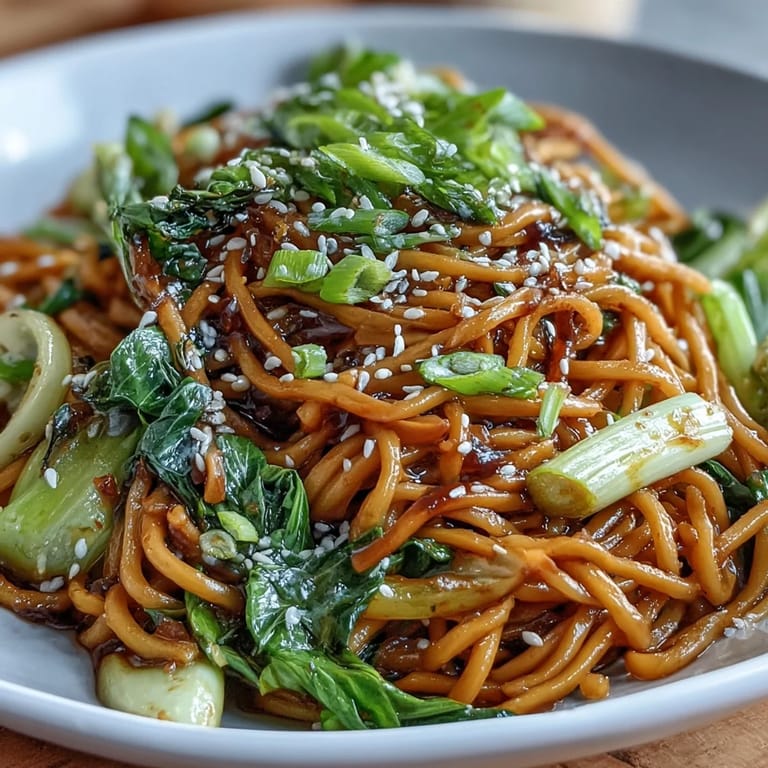
 One humid afternoon, my neighbor stopped by with a bag of impossibly fragrant ginger root and a story about a noodle dish her grandmother made in Shanghai. We stood in my kitchen passing the ginger back and forth, inhaling its sharp, clean bite, and I realized I'd been making noodles all wrong—flat, one-note, missing this whole aromatic dimension. That conversation sparked something, and now this ginger-scallion noodle dish is what I reach for when I want something that tastes alive and complex but doesn't demand hours in the kitchen.
I made this for my sister on a Tuesday night when she'd had the kind of day where nothing goes right, and watching her close her eyes after that first bite of noodles coated in warm, ginger-forward sauce—something shifted in her face. She asked for seconds before finishing the first bowl, and we ended up eating in comfortable silence, the kind that only happens when food is doing exactly what it should.
Ingredients
- Wheat noodles (350 g): Lo mein, udon, or ramen all work beautifully here; the starch from these noodles clings perfectly to the sauce, so don't skip the cold rinse after cooking or they'll clump together.
- Scallions (4, finely sliced): These become the backbone of your sauce, so use both the white and green parts—the whites give you savory depth, the greens add brightness at the end.
- Fresh ginger (2 tablespoons, finely minced): This is non-negotiable; the heat from hot oil will bloom its flavor in seconds, so mince it small and don't use jarred.
- Garlic cloves (3, finely minced): Fresh garlic is crucial; it mellows beautifully when hit with hot oil and becomes almost sweet.
- Neutral oil (1/4 cup): This gets heated until it shimmers—the moment it's hot enough to make a sizzle when it hits the ginger mixture is your cue that everything's about to smell incredible.
- Soy sauce (2 tablespoons): The umami anchor; use tamari if you're avoiding gluten, and don't skimp on quality here.
- Rice vinegar (1 tablespoon): This brightens everything and keeps the sauce from becoming heavy.
- Toasted sesame oil (1 teaspoon): A little goes a long way; its nutty depth is what makes people ask for the recipe.
- Sugar (1 teaspoon): Just enough to balance the salty-tangy elements without making this sweet.
- Baby bok choy (200 g) or greens of choice: These stay tender-crisp when you sauté them quickly; spinach wilts faster, kale takes longer—adjust your timing accordingly.
- Snap peas or snow peas (100 g): They add a gentle sweetness and pleasant crunch that contrasts with the soft noodles.
- Toasted sesame seeds and fresh chili (for garnish): These finish the dish with texture and a optional heat that lets people customize their own bowl.
Tired of Takeout? 🥡
Get 10 meals you can make faster than delivery arrives. Seriously.
One email. No spam. Unsubscribe anytime.
Instructions
- Bring water to a rolling boil and cook your noodles:
- Follow the package timing, but pull them out a minute early if they're still slightly firm—they'll soften a bit more from the residual heat. Drain and rinse under cold running water until they're cool and separated, then set them aside in a bowl so they don't stick together.
- Prepare your ginger-scallion mixture in a heatproof bowl:
- Combine the sliced scallions, minced ginger, and minced garlic—this is where the magic starts. You're about to bloom these aromatics with hot oil, so make sure everything is minced small enough to release its flavors immediately.
- Heat your oil until it shimmers and listen for the sizzle:
- In a small saucepan over medium-high heat, warm your neutral oil for about 2 minutes until you can see the surface moving. When you carefully pour it over the ginger mixture, it will sizzle and steam—don't be alarmed, that's exactly what you want.
- Build your sauce by stirring in the remaining ingredients:
- Once the sizzling stops, add the soy sauce, rice vinegar, sesame oil, sugar, and white pepper if using. Stir everything together until the sugar dissolves and the sauce is glossy and fragrant.
- Sauté your greens quickly in a hot skillet or wok:
- Heat a tablespoon of oil over medium-high heat, then add your chopped bok choy and snap peas with a sprinkle of salt. Stir them constantly for just 2 to 3 minutes until they're bright colored and tender but still have a slight bite to them.
- Toss the noodles with the warm sauce until every strand is coated:
- This is the moment where everything comes together—the sauce will cling to the noodles and create this silky, aromatic coating that's absolutely the point of the whole dish.
- Divide the noodles among bowls and crown with the warm greens:
- Let the greens sit on top rather than mixing them in so they stay vibrant and don't get buried.
- Finish with sesame seeds, fresh scallions, and chili if you like heat:
- Serve immediately while everything is still warm and the aromas are at their peak.
 Save It
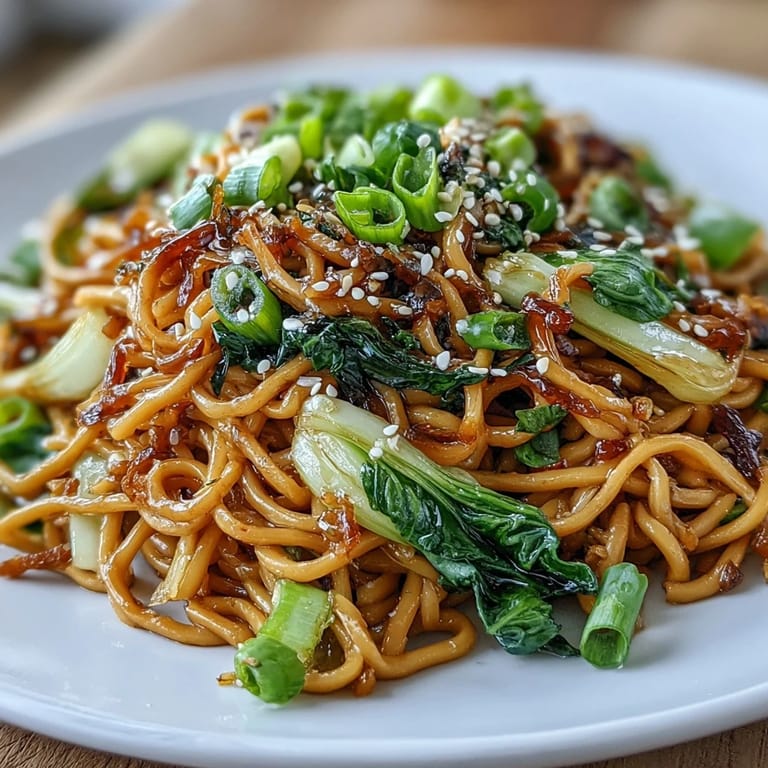
 My mom tried this once and immediately started making lists of ways to adapt it—adding shredded rotisserie chicken, throwing in some tofu, experimenting with different greens from her garden. That's when I realized the real beauty of this dish isn't the recipe itself, it's how it invites you to make it your own.
On the Timing and Temperature
Everything about this dish hinges on working quickly and keeping things hot. The noodles should go into the sauce while it's still warm so they absorb the flavor properly, and the greens need to hit a hot pan so they stay bright green instead of turning khaki and sad. Once you've done this once, you'll feel the rhythm of it—there's a natural flow where each component is ready just as you need it.
Building Layers of Flavor
What makes this sauce special isn't any single ingredient but the way they work together—the sharpness of ginger against the sweetness of the sugar, the umami of soy sauce balanced by the brightness of rice vinegar, and that toasted sesame oil bringing everything together with its nutty warmth. It's a lesson I've taken beyond this dish: balance is what separates a one-note recipe from something people actually crave.
Flexibility and Improvisation
This is genuinely one of those dishes that works with whatever you have on hand. Swap the bok choy for broccoli or kale, use whatever noodles you've got, add an egg, skip the greens entirely if you're in a hurry. The ginger-scallion sauce is the constant, the part you shouldn't mess with, but everything else is yours to play with.
- If you love heat, mix a teaspoon of chili oil into the sauce or slice fresh chilies thin and add them right at the end.
- Tofu, tempeh, or shredded chicken turn this into a more substantial meal if you need extra protein.
- Make the sauce ahead of time and it'll keep in the fridge for a couple of days, making weeknight dinners feel effortless.
 Save It
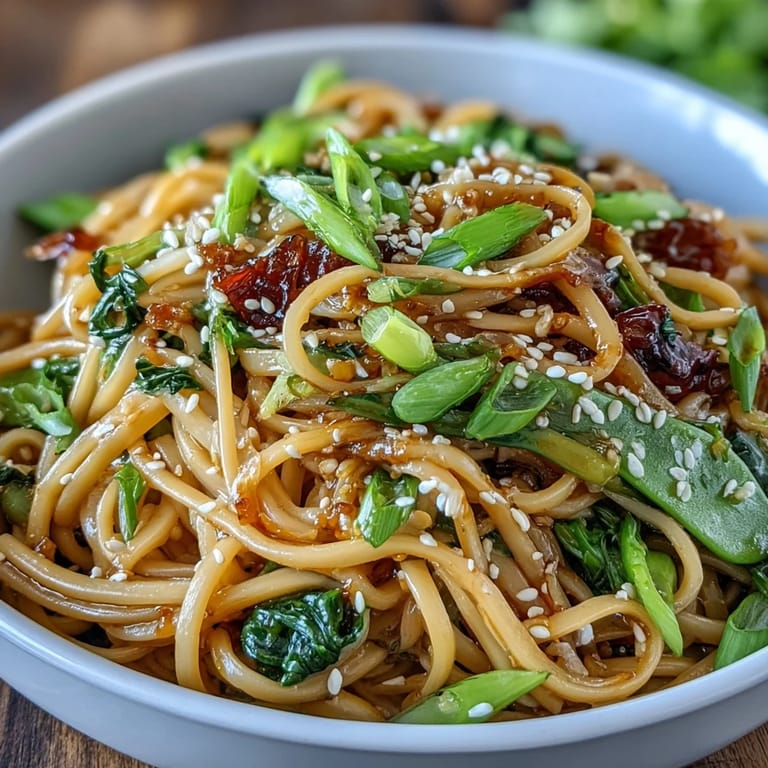
 This noodle dish has become my answer to the question: what do I make when I want something that tastes like it took thought and care but doesn't actually demand a lot of fuss? It's simple, it's quick, and somehow it always feels a little special.
Recipe FAQs
- → What noodles work best for this dish?
Wheat noodles like lo mein, udon, or ramen provide a satisfying texture, but rice noodles can be used for a gluten-free option.
- → How do I make the ginger-scallion sauce?
Mix sliced scallions, minced ginger and garlic, then pour hot neutral oil over to release aromas. Stir in soy sauce, rice vinegar, sesame oil, sugar, and optional white pepper.
- → What greens can I use for sautéing?
Baby bok choy is traditional, but spinach, kale, chard, or snap peas also work well to add color and freshness.
- → Can I add protein to this dish?
Yes, tofu, tempeh, or shredded chicken complement the flavors and make it more filling.
- → How do I adjust for gluten-free needs?
Use rice noodles instead of wheat and swap regular soy sauce for tamari to avoid gluten.