 Save It
 My sister called mid-afternoon on a rainy Tuesday, asking if I could veganize her favorite stroganoff recipe because her new partner didn't eat dairy. I stared at my pantry, wondering how to recreate that creamy, luxurious sauce without cream, and realized coconut milk and nutritional yeast could be my secret weapons. That first attempt turned into something better than the original, and now whenever she visits, this is what she requests before even taking off her coat.
I made this for a dinner party last spring, nervous that my non-vegan friends would be disappointed, but watching them ask for seconds and thirds while genuinely surprised it was dairy-free felt like winning an unspoken competition. One guest asked for the recipe immediately, and I knew right then this wasn't just a compromise dish—it was genuinely better than what they expected.
Ingredients
- Brown rice: The nutty, slightly chewy base that holds everything together; rinsing it first keeps the texture from becoming gummy.
- Olive oil: Don't skimp on quality here since it's doing the foundational cooking work for your aromatics.
- Yellow onion: Finely chopped onions dissolve into the sauce, creating natural sweetness and depth without any bite.
- Garlic cloves: Minced fine so they distribute evenly and cook quickly without burning, which would turn the whole sauce bitter.
- Mixed mushrooms: A combination of cremini, button, or portobello gives you layers of earthy flavor; cremini mushrooms are my secret weapon because they brown beautifully.
- Smoked paprika: This is what gives stroganoff its soul—the smoke adds a savory complexity that tastes like you've been cooking all day.
- Dried thyme: Adds herbal grace without overpowering the mushrooms; fresh thyme works but dried is more forgiving.
- All-purpose flour: Creates the silky, velvety texture by thickening the sauce naturally without any cornstarch grittiness.
- Vegetable broth: Low-sodium is crucial so you control the salt and don't end up with an overly salty dish at the end.
- Soy sauce: Brings umami depth that makes mushrooms taste even more mushroom-y; tamari works perfectly for gluten-free needs.
- Coconut milk or non-dairy cream: Canned coconut milk creates the signature creamy richness; don't use the light version or you lose that luxurious mouthfeel.
- Nutritional yeast: Adds a savory, slightly cheesy note that feels comforting without any animal products.
- Fresh parsley: A bright finish that cuts through the richness and makes the dish look inviting on the plate.
- Lemon juice: Just a touch to balance all the savory elements and wake up your palate.
Tired of Takeout? 🥡
Get 10 meals you can make faster than delivery arrives. Seriously.
One email. No spam. Unsubscribe anytime.
Instructions
- Start your rice base:
- Rinse the brown rice under cold water until the water runs mostly clear, which removes starch and prevents mushiness. Combine with water and salt in a medium saucepan, bring to a boil, then drop the heat to low, cover, and let it simmer for 35 to 40 minutes until the grains are tender and the liquid has been absorbed completely.
- Build your flavor foundation:
- Heat olive oil in a large skillet over medium heat and add your finely chopped onion, stirring occasionally until it turns translucent and soft, about 3 to 4 minutes. This slow cooking releases the onion's natural sweetness without letting it caramelize too much.
- Welcome the garlic:
- Add your minced garlic and cook for exactly 1 minute, just until the kitchen fills with that unmistakable aroma but before the garlic begins to brown. This timing is everything because burnt garlic will haunt the entire dish.
- Let mushrooms shine:
- Add all your sliced mushrooms and cook for 6 to 8 minutes, stirring occasionally, until they release their moisture and the bottom of the skillet develops golden brown spots. Listen for that gentle sizzle—it's how you know they're browning properly.
- Toast your spices:
- Sprinkle in smoked paprika, thyme, and flour, then stir everything together to coat the mushrooms evenly. Cook for 1 minute to cook out the raw flour taste, which would otherwise leave a grainy sensation on your tongue.
- Create the sauce:
- Pour the vegetable broth in slowly while stirring constantly to avoid lumps forming, then add soy sauce and bring everything to a gentle simmer. Let it bubble for 3 to 4 minutes until the sauce visibly thickens and clings to the mushrooms.
- Add the creaminess:
- Stir in your coconut milk and nutritional yeast, then let the whole thing simmer for another 2 to 3 minutes until the sauce becomes silky and luxurious. The yeast will add a subtle savory note that makes people wonder what your secret ingredient is.
- Season and finish:
- Taste as you go, adjusting salt and pepper carefully, then add lemon juice and fresh parsley at the very end. This final brightness makes everything taste more refined and balanced.
- Plate and serve:
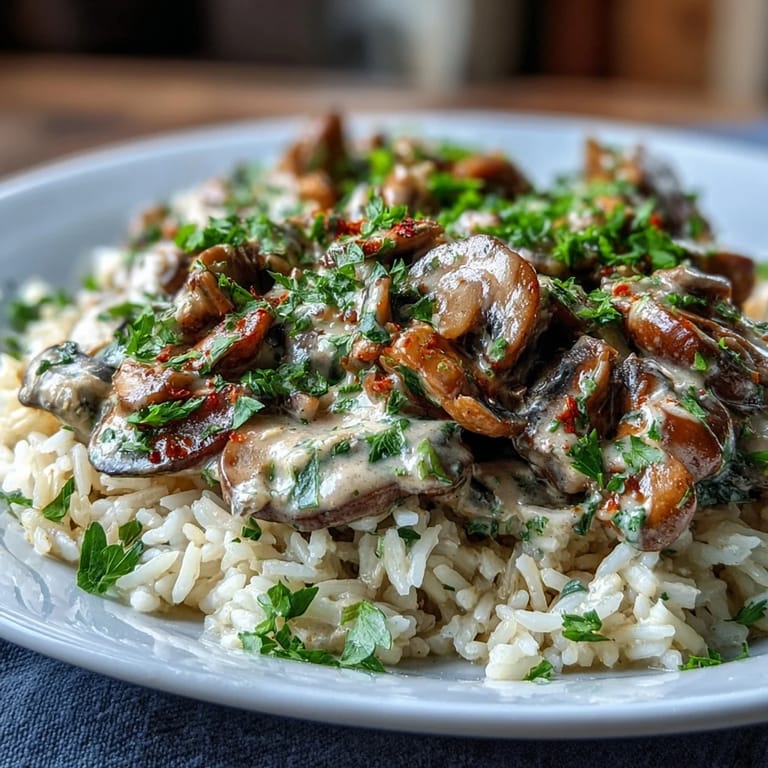
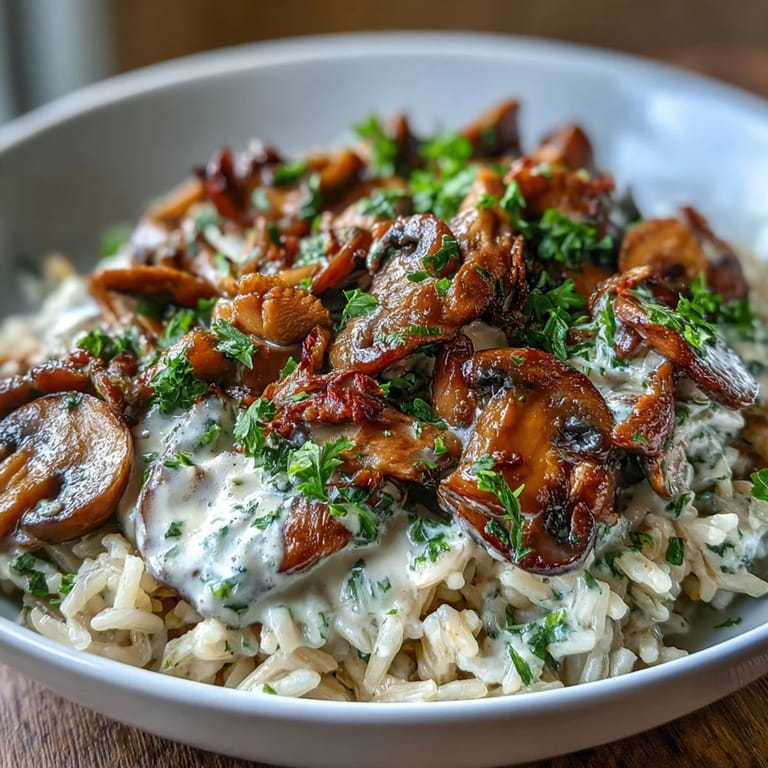
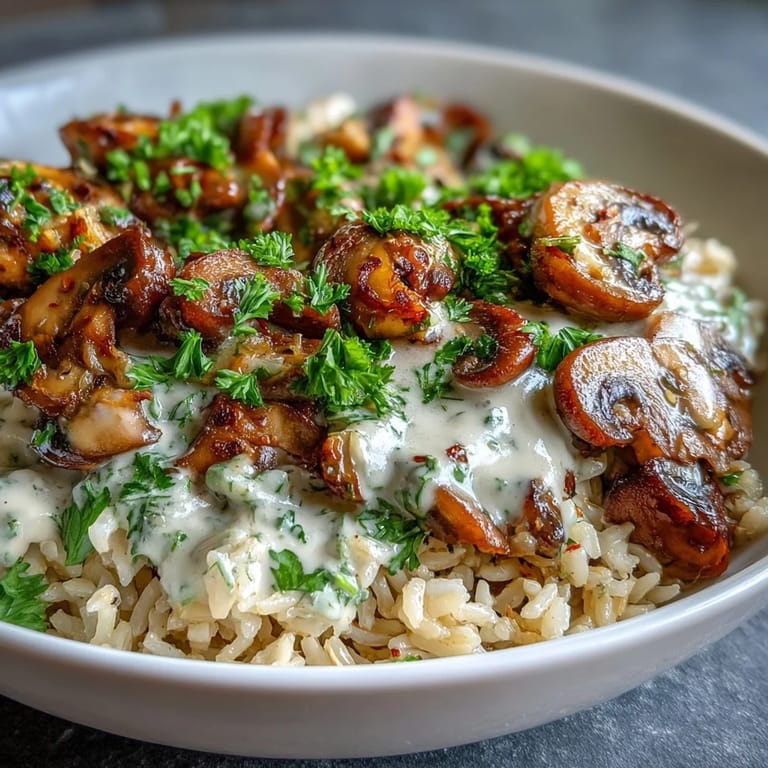
- Spoon the stroganoff generously over your fluffy brown rice, garnishing with extra fresh parsley. This moment of assembly is where the dish truly becomes beautiful.
 Save It
 A friend who had given up vegan cooking after struggling with bland plant-based meals ate this dish and actually teared up a little, saying it reminded her why she loved cooking in the first place. That's when I realized stroganoff isn't just about the food—it's about proving to yourself and others that vegan doesn't mean sacrifice.
The Magic of Mushroom Umami
Mushrooms are nature's umami factory, and when you combine them with soy sauce and nutritional yeast, you're creating a savory depth that rivals any meat-based sauce. The longer you let the stroganoff simmer after adding the broth, the more those flavors meld together into something that tastes like it's been simmering for hours. I learned this the hard way by rushing the process once and ending up with something that tasted separated and one-dimensional.
Why Brown Rice Over White
Brown rice has a slightly nutty flavor and chewier texture that actually complements the richness of stroganoff better than white rice would. The whole grain also holds up better under the weight of the sauce without becoming mushy or falling apart on your fork. Plus, it looks more visually interesting on the plate, which matters more than people think when you're trying to make plant-based cooking feel elegant.
Customization and Variations
This recipe is flexible enough to work with what you have on hand, but also forgiving enough to handle experimentation. If coconut milk feels too coconutty for you, cashew cream creates an even more luxurious mouthfeel, while oat milk works in a pinch but won't be quite as creamy. Some nights I add a splash of white wine to the mushrooms for extra depth, and other times I swap the brown rice for egg noodles when I want something more traditionally stroganoff-like.
- Cashew cream made from soaked and blended cashews delivers richness that tastes less dairy-free than coconut milk.
- A splash of white wine added with the mushrooms brings subtle complexity that makes people ask what you did differently.
- Serve over quinoa, mashed potatoes, or egg noodles for variety without changing the essential soul of the dish.
 Save It
 This stroganoff has become my answer to almost every dinner party invitation, the dish I make when I want to prove something without saying a word. It reminds me that the best cooking happens when you stop trying to replicate the past and instead create something entirely new.
Recipe FAQs
- → Can I use different types of mushrooms?
Absolutely. Cremini, button, portobello, shiitake, or oyster mushrooms all work beautifully. Mixed varieties create the best texture and flavor depth.
- → What can I substitute for coconut milk?
Cashew cream, almond milk, or any unsweetened non-dairy cream works well. For a lighter version, use more vegetable broth and reduce the cream slightly.
- → Is this dish gluten-free?
It can be. Simply use tamari instead of soy sauce and replace the all-purpose flour with a gluten-free flour blend or cornstarch as a thickener.
- → How long do leftovers keep?
Stored in an airtight container, leftovers stay fresh for 3-4 days in the refrigerator. The sauce may thicken—add a splash of broth when reheating.
- → Can I freeze this dish?
Yes, freeze for up to 3 months. The rice and sauce freeze separately for best results. Thaw overnight in the fridge and reheat gently on the stovetop.