 Save It
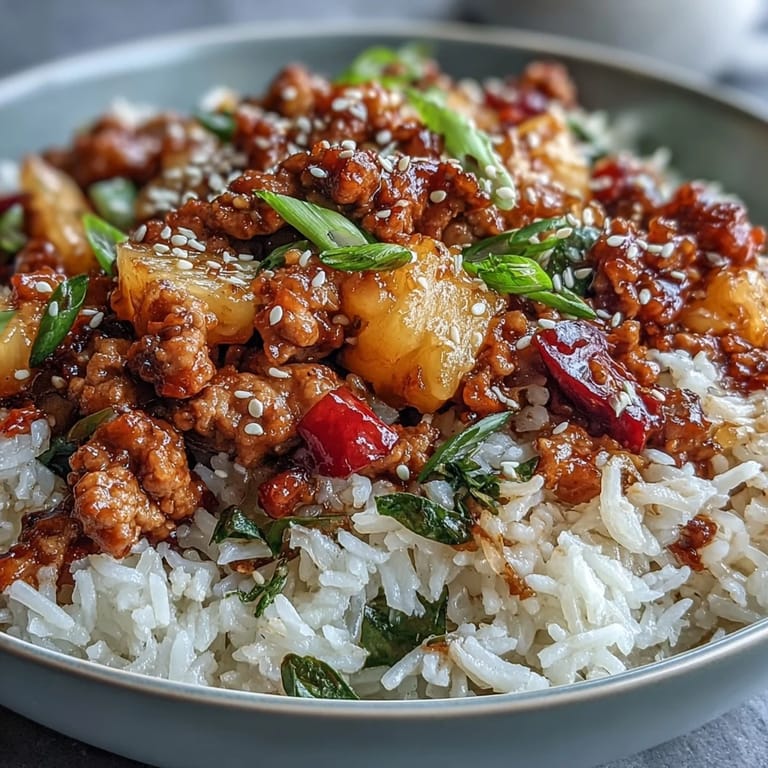
 My neighbor brought over a container of this after a long Saturday spent helping her move furniture. I sat on her kitchen floor, fork in hand, tasting something I couldn't quite name but couldn't stop eating. The pineapple was warm and glossy, the turkey savory with a kick I later learned was gochujang, and the rice soaked up every bit of that sweet-sour sauce. She laughed when I asked for the recipe, saying she'd thrown it together from leftovers and a half-empty jar of Korean chili paste. That scrappy, spontaneous energy is exactly what makes this skillet so good.
I made this on a Tuesday night when my kids were grumpy and I had no plan. The smell of garlic and sesame oil hitting the hot pan pulled them into the kitchen before I even called them. They fought over who got more pineapple, which felt like a small victory. By the end of the week, my youngest was asking when we'd have it again. It's become our reset meal, the thing I make when I need dinner to feel like a win without any fuss.
Ingredients
- Ground turkey: Lean and mild, it takes on the bold sauce beautifully without overpowering the other flavors.
- Yellow onion: Adds sweetness and body to the base, softening into the background as it cooks.
- Red and green bell peppers: They bring crunch, color, and a subtle vegetal sweetness that balances the tang.
- Garlic cloves: Freshly minced garlic blooms in the oil and gives the whole dish a fragrant, savory backbone.
- Pineapple chunks: Whether canned or fresh, they add bursts of juicy sweetness that play perfectly against the heat.
- Cooked rice: Day-old rice is drier and separates easily, making it ideal for stir-frying without turning mushy.
- Soy sauce: The salty umami anchor that ties everything together.
- Gochujang: This fermented chili paste is the soul of the dish, bringing smoky heat and a hint of sweetness.
- Rice vinegar: Bright acidity that cuts through the richness and sharpens the sweet-and-sour balance.
- Brown sugar: Rounds out the sauce with caramel-like sweetness that clings to every grain of rice.
- Tomato ketchup: A little nostalgic, it adds tangy depth and helps the sauce coat everything evenly.
- Sesame oil: Just a drizzle at the end brings a toasty, nutty finish that makes the whole skillet smell amazing.
- Green onions and sesame seeds: Optional but worth it, they add freshness and a delicate crunch on top.
Tired of Takeout? 🥡
Get 10 meals you can make faster than delivery arrives. Seriously.
One email. No spam. Unsubscribe anytime.
Instructions
- Brown the turkey:
- Heat the vegetable oil in a large skillet over medium-high heat, then add the ground turkey and break it up with a wooden spoon. Let it sizzle and brown for 5 to 6 minutes, stirring occasionally until no pink remains.
- Sauté the vegetables:
- Toss in the diced onion, both bell peppers, and minced garlic, stirring everything together. Cook for 4 to 5 minutes until the peppers soften slightly but still have a bit of snap.
- Add the pineapple:
- Stir in the pineapple chunks and let them warm through for 1 to 2 minutes. The fruit will release a little juice and start to caramelize at the edges.
- Make the sauce:
- In a small bowl, whisk together the soy sauce, gochujang, rice vinegar, brown sugar, ketchup, and sesame oil until smooth. Pour it into the skillet and stir well so every piece of turkey and vegetable gets coated.
- Fold in the rice:
- Add the cooked rice, breaking up any clumps with your spoon, and toss everything together for 2 to 3 minutes. The rice should absorb the sauce and turn glossy, with little bits of caramelized flavor clinging to each grain.
- Taste and finish:
- Adjust the seasoning if needed, then remove from heat. Garnish with sliced green onions and a sprinkle of sesame seeds before serving hot.
 Save It
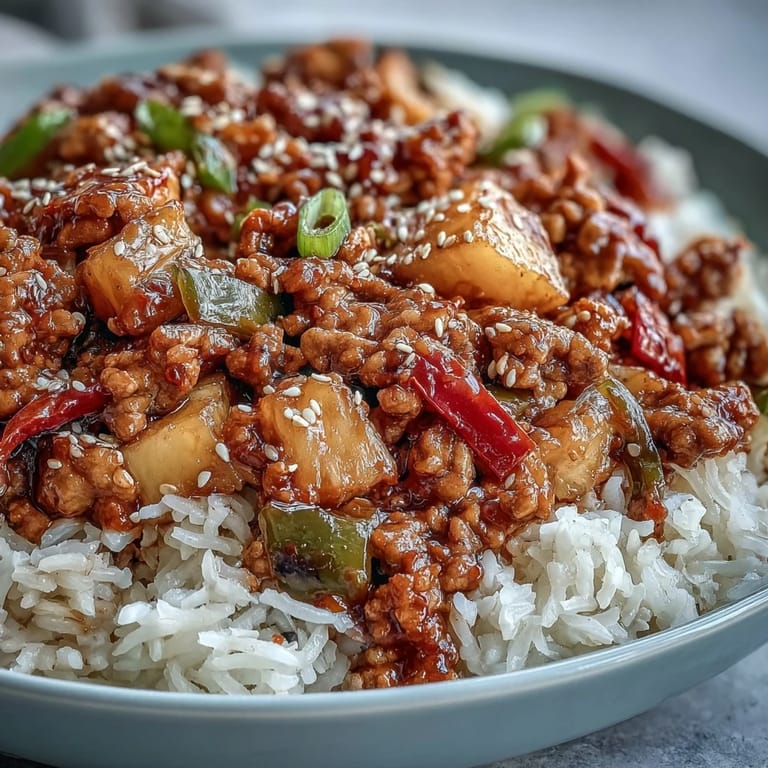
 The first time I brought this to a potluck, someone asked if I'd ordered it from a restaurant. I admitted I'd made it in under half an hour, and suddenly everyone wanted the recipe. It felt good to share something that looked impressive but didn't require any special skills or hard-to-find ingredients. That's the magic of this skillet: it tastes like you tried, even when you didn't have to.
Customizing Your Skillet
This recipe is flexible enough to handle whatever you have on hand. Swap the turkey for ground chicken or pork if that's what's in your fridge. Add a handful of snap peas or shredded cabbage for extra crunch. If you want more heat, stir in red pepper flakes or an extra spoonful of gochujang. The sauce is forgiving, and the skillet welcomes improvisation without losing its balance.
Storing and Reheating
Leftovers keep well in an airtight container in the fridge for up to three days. Reheat in a skillet over medium heat with a splash of water or broth to loosen things up, stirring gently until warmed through. The flavors actually deepen overnight, so don't be surprised if day two tastes even better. I've even eaten it cold straight from the container during a rushed lunch, and it still hit the spot.
Pairing and Serving Ideas
This skillet is a full meal on its own, but it pairs beautifully with something cold and crisp on the side. A simple cucumber salad with rice vinegar and sesame seeds cuts through the richness. If you're serving it for guests, a chilled Riesling or a cold lager complements the sweet-and-sour flavors without competing. Sometimes I'll set out a small dish of extra gochujang for anyone who wants to dial up the heat.
- Serve with a side of pickled radishes or kimchi for extra tang.
- Top with a fried egg for a richer, more indulgent version.
- Double the batch and freeze half for an easy weeknight win later.
 Save It
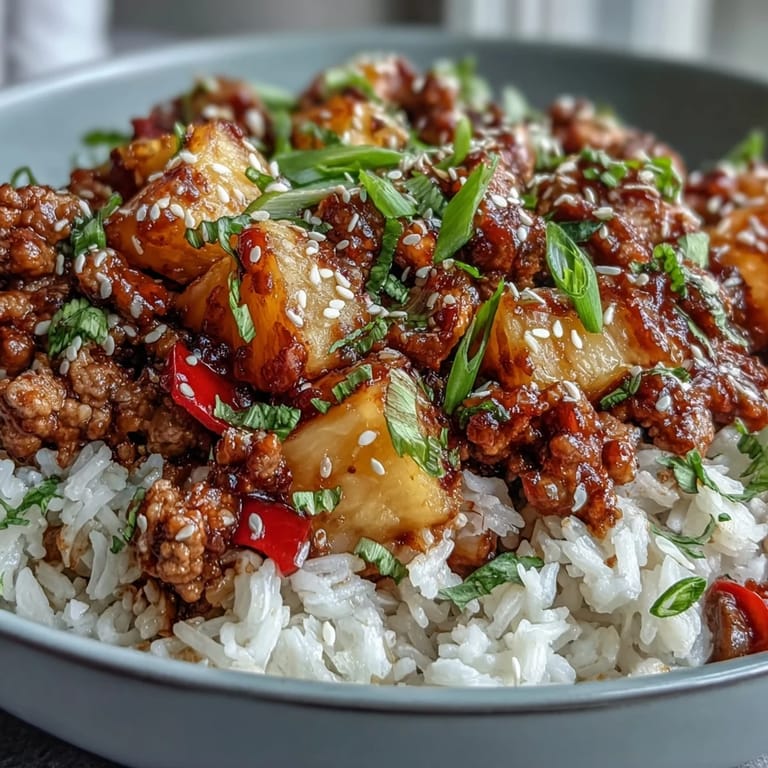
 This dish has a way of turning ordinary evenings into something a little brighter. Keep the ingredients simple, trust the process, and let the flavors do the talking.
Recipe FAQs
- → Can I use fresh pineapple instead of canned?
Absolutely! Fresh pineapple works beautifully and adds a brighter, more vibrant flavor. Just dice it into bite-sized chunks and use the same amount called for in the ingredients.
- → What can I substitute for gochujang?
If you don't have gochujang, try using sriracha mixed with a bit of miso paste, or a combination of chili garlic sauce and a pinch of sugar to mimic the sweet heat. The flavor will differ slightly but still be delicious.
- → Why is day-old rice recommended?
Day-old rice is drier and less sticky, which helps it fry up better and absorb the sauce without turning mushy. If using freshly cooked rice, spread it on a tray to cool and dry out for about 15 minutes before adding to the skillet.
- → Can I make this with ground chicken or pork?
Yes! Ground chicken or pork are excellent substitutes for turkey. Ground pork will add a bit more richness, while chicken keeps it lean and mild. Cook times remain the same.
- → How do I store and reheat leftovers?
Store leftovers in an airtight container in the refrigerator for up to 3 days. Reheat in a skillet over medium heat with a splash of water or broth to refresh the rice, or microwave in 1-minute intervals, stirring between.
- → Is this dish spicy?
It has a mild to moderate heat level from the gochujang. If you're sensitive to spice, start with half the amount and adjust to taste. For more heat, add extra gochujang or red pepper flakes.