 Save It
 I discovered this dish on a rainy afternoon, flipping through travel magazines and craving something that felt like a passport in a bowl. My friend Sarah had just returned from a year traveling through three continents, and she couldn't stop talking about how food in each region had its own unmistakable personality. That conversation sparked an idea: what if I could honor those worlds on one plate, letting each cuisine shine without competing? The Spice Route became my answer—a celebration of how flavors speak different languages but still harmonize beautifully together.
I made this for a dinner party last spring when I was nervous about pleasing six very different eaters all at once. One guest was vegan, another avoided nightshades, someone else had just started exploring Asian flavors, and the rest wanted comfort. Instead of stressing over separate meals, I served The Spice Route family-style, and something magical happened—people stopped asking for substitutions and started asking for recipes. By dessert, everyone was still talking about how they'd arranged their plate, which flavors surprised them, and which combinations they'd recreate at home.
Ingredients
- Extra-virgin olive oil: This is where quality matters most; the herbaceous, fruity notes become the backbone of the Mediterranean cluster and deserve respect.
- Eggplant: Dice it into half-inch pieces so it browns quickly instead of absorbing oil like a sponge—this makes the difference between silky and soggy.
- Red bell pepper and zucchini: They should be cut roughly the same size as the eggplant so everything cooks evenly and looks intentional on the plate.
- Cherry tomatoes: Halve them and add them near the end of cooking so they don't burst into nothing and release all their juice prematurely.
- Garlic: Mince it fine; it should almost dissolve into the oil and coat every vegetable piece.
- Toasted sesame oil: Non-negotiable for the Asian cluster—regular sesame oil tastes flat by comparison, and you'll understand why once you smell toasted oil hit the pan.
- Shiitake mushrooms: That umami depth is what makes this cluster feel restaurant-quality, so don't skip them for button mushrooms.
- Snap peas and carrot: Keep the snap peas whole and julienne the carrot thin so they cook in the same time window and stay bright.
- Soy sauce: Tamari works perfectly if you're avoiding gluten, and honestly, the flavor is nearly identical once everything's seasoned.
- Ginger and rice vinegar: These two create brightness and keep the Asian cluster from feeling heavy.
- Chickpeas: If you're using canned, drain them well and give them a quick rinse so excess starch doesn't make the mixture gluey.
- Bulgur or quinoa: Bulgur offers earthiness, quinoa gives you a gluten-free option—both work beautifully here, though quinoa stays slightly fluffier.
- Cumin, coriander, and cinnamon: These spices work together to create that warm, welcoming Middle Eastern character without any single flavor shouting too loud.
- Fresh parsley and lemon juice: The lemon juice wakes everything up at the last second, and the parsley adds a brightness that ties the cluster together.
- Sesame seeds and fresh herbs for garnish: These final touches give the dish texture and visual personality; they're not decoration, they're the punctuation mark.
Tired of Takeout? 🥡
Get 10 meals you can make faster than delivery arrives. Seriously.
One email. No spam. Unsubscribe anytime.
Instructions
- Set yourself up for success:
- Line up three large skillets side by side and prep every ingredient into its own small bowl before you start cooking. This isn't fussy—it's the secret to not scrambling halfway through or forgetting the ginger.
- Build the Mediterranean warmth:
- Heat your best olive oil over medium heat and let it shimmer for a breath or two, then add the eggplant. You'll hear it sizzle immediately; that's your signal everything's at the right temperature. After three minutes, the edges should be starting to turn golden and smell almost nutty.
- Layer in the vegetables:
- Add the bell pepper, zucchini, tomatoes, and garlic all at once. Stir frequently so nothing catches on the bottom, and let the kitchen fill with that oregano-garlic perfume. By minute eight or nine, the vegetables should be tender enough to cut with a spoon but still hold their shape.
- Ignite the Asian energy:
- In your second skillet, get the toasted sesame oil shimmering over medium-high heat—it has a lower smoke point than regular oil, so this matters. Add mushrooms first and let them sit undisturbed for a minute so they develop color and release their moisture.
- Keep the Asian cluster moving:
- Once mushrooms are golden, add snap peas and carrot, then the soy sauce, ginger, and rice vinegar right after. The whole cluster should take about seven minutes total from cold pan to finished—you want crisp-tender vegetables that still have structure when people take a bite.
- Anchor with the Middle Eastern comfort:
- In your third skillet, gentle heat and olive oil bring the red onion to softness first, about three minutes. Then stir in the cooked chickpeas, bulgur or quinoa, and all three spices—the cinnamon especially needs to bloom in the oil so it doesn't taste raw or bitter.
- Brighten the final cluster:
- After five minutes of cooking, the chickpeas and grains should be warm all the way through and the spices should smell almost sweet. Off the heat, toss in fresh parsley and lemon juice—this is where the whole cluster suddenly comes alive and tastes complete.
- Compose your serving:
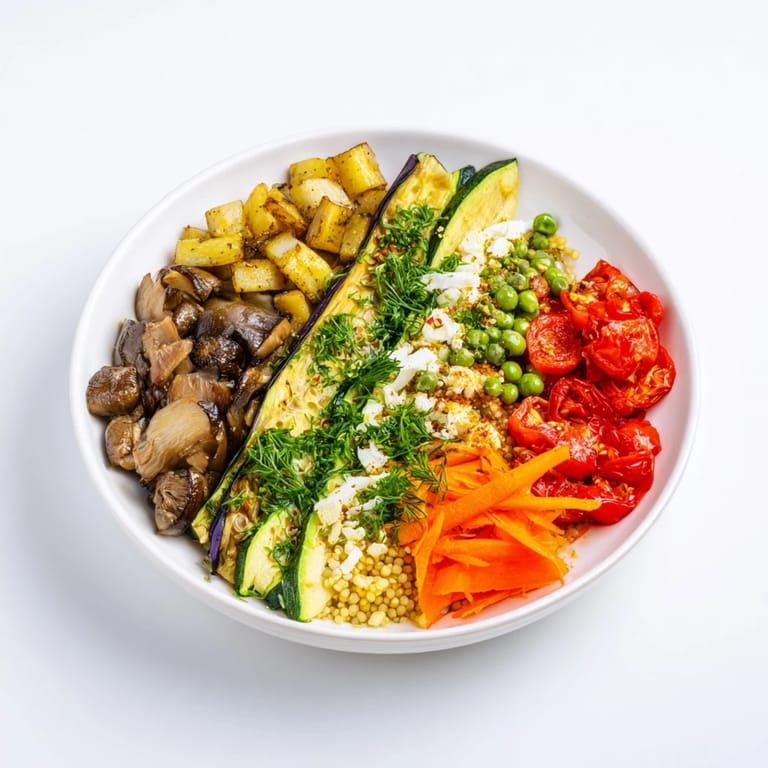
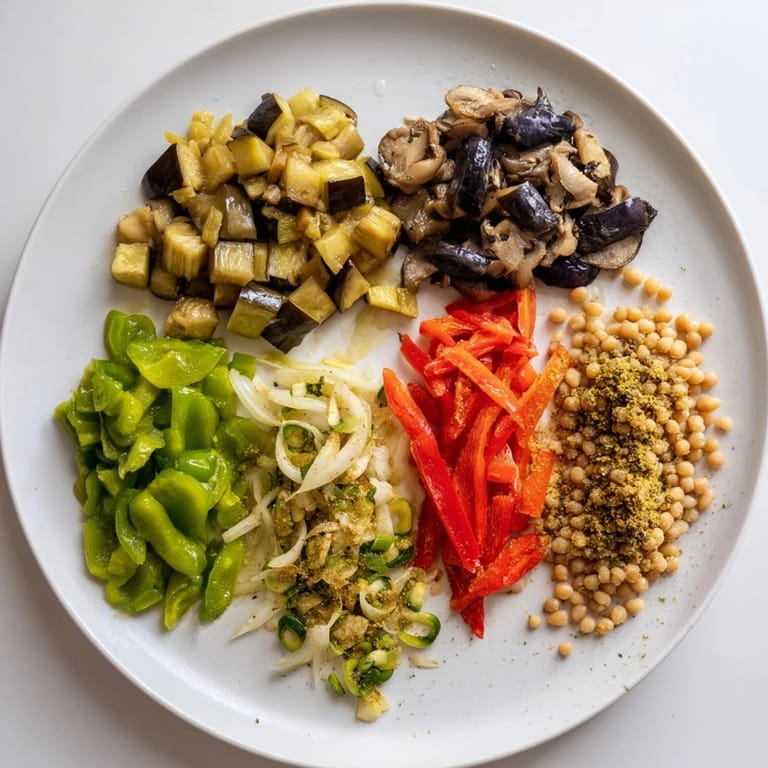
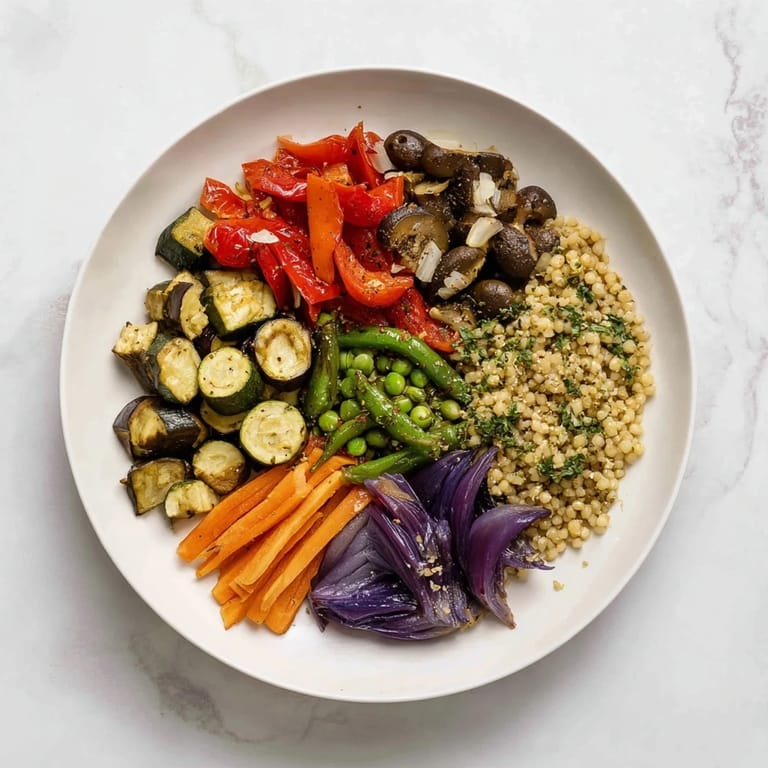
- Choose a large platter or individual plates and arrange the three clusters side by side, leaving them distinct so people understand they're three different stories. Scatter sesame seeds and fresh herbs over everything, and if you're using feta, crumble it strategically so it catches light and looks intentional.
 Save It
 The real magic happened when my six-year-old nephew arranged his own plate, carefully keeping each cluster separate, then experimented with tiny bites of each before deciding on his own perfect combination. He declared it tasted like a flavor adventure and made me promise to teach him how to make it someday. That moment reminded me food doesn't have to be complicated to feel special—it just has to invite people to play.
Why This Recipe Changed My Dinner Parties
Before discovering this approach, I'd spend hours stressing about pleasing everyone and usually ended up with a compromise dish that nobody loved. The Spice Route flipped that thinking; instead of trying to be all things on one plate, I gave people the tools to compose their own experience. What started as a solution to one difficult dinner party has become the dish I reach for whenever people with different tastes are gathering.
The Geography of Flavor on Your Plate
Each cluster represents something essential about how different parts of the world think about vegetables and spice. The Mediterranean cluster is all about letting each vegetable taste like itself, enhanced by simple olive oil and dried herbs. The Asian cluster relies on contrast—the snap peas' crunch against mushroom softness, the soy sauce's salt against ginger's heat and vinegar's brightness. The Middle Eastern cluster is warm and welcoming, with spices that build on each other and grains that anchor everything. Arranging them together on one plate is like creating a geography lesson in flavor.
Making It Your Own
The genius of The Spice Route is how forgiving it is once you understand the structure. You can swap vegetables in each cluster based on what's seasonal or what your market has looking beautiful that day—roasted cauliflower in the Mediterranean cluster, or broccoli in the Asian one. The spice blends are strong enough to carry flavor even if you substitute, and the lemon juice in the Middle Eastern cluster always brings things back into focus.
- Spring looks like fresh peas and new zucchini in the Mediterranean cluster, tender shoots in the Asian one.
- Late summer begs for tomato abundance in the Mediterranean cluster and heavier squashes in both other clusters.
- Winter calls for root vegetables across all clusters, each one prepared to honor its own cooking style.
 Save It
 This dish proved to me that hospitality doesn't mean erasing differences—it means celebrating them and letting everyone find their own path through the meal. I hope it does the same for your table.
Recipe FAQs
- → How do I best prepare the Mediterranean cluster?
Sauté diced eggplant, bell pepper, zucchini, cherry tomatoes, and minced garlic in olive oil with oregano, salt, and pepper until tender and fragrant.
- → What ingredients create the Asian cluster?
This cluster features shiitake mushrooms, snap peas, and julienned carrot cooked in toasted sesame oil, seasoned with soy sauce, grated ginger, and rice vinegar.
- → Can I substitute grains in the Middle Eastern cluster?
Yes, bulgur can be replaced with quinoa to accommodate gluten-free preferences without compromising flavor.
- → What garnishes complement the dish?
Crumbled feta, toasted sesame seeds, and fresh mint or cilantro leaves add texture and freshness to enhance the clusters.
- → How can I add protein to this meal?
Grilled chicken, tofu, or lamb can be added to any cluster for extra protein, making the dish more filling.
- → What wines pair well with these flavors?
A crisp Sauvignon Blanc or a light-bodied Pinot Noir complements the vibrant spices and fresh ingredients beautifully.