 Save It
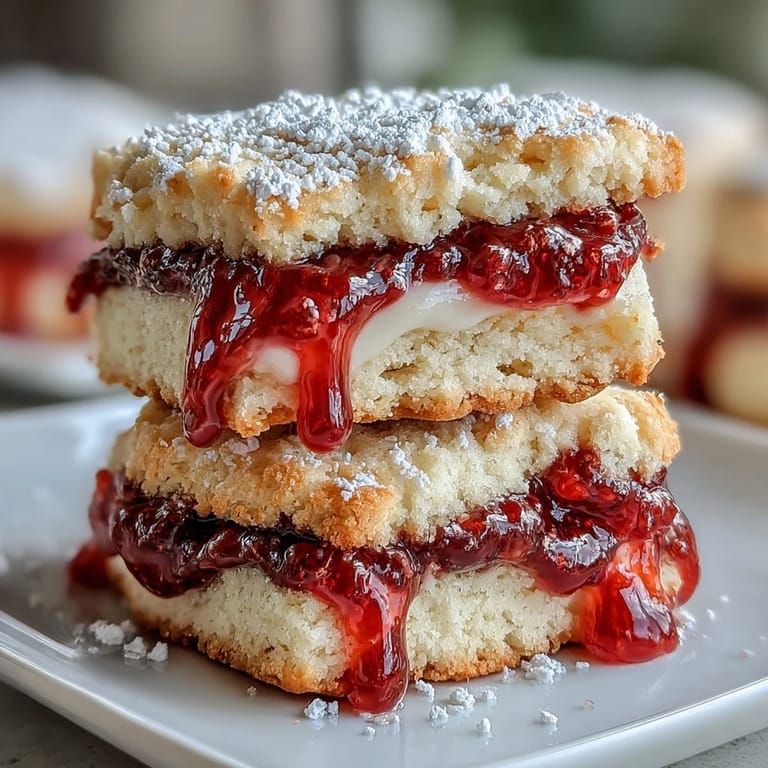
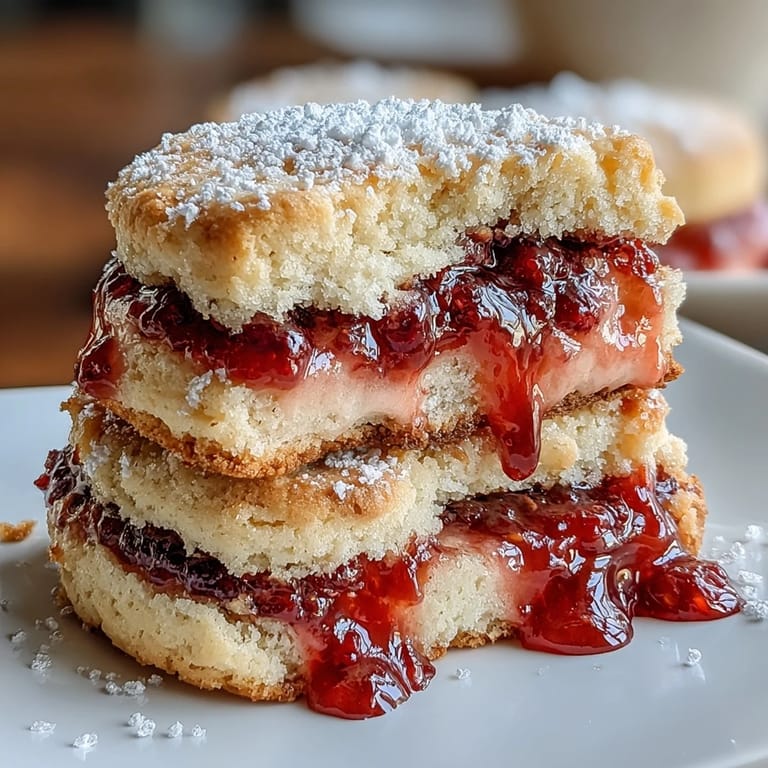
 My cousin handed me a clotted cream shortbread at a village tea shop in Devon, and I bit into it expecting something predictable, but the filling burst with tart raspberry that cut through all that buttery richness so perfectly I actually stopped mid-chew. She laughed and said I looked surprised, and I told her I'd been eating shortbread wrong my whole life. That afternoon, I decided to learn how to make them, and once you understand how clotted cream changes the dough itself—making it almost cloud-like—these cookies become something you want to bake again and again.
I made these for my mother's book club, and one of her friends asked for the recipe before even finishing her first cookie, which almost never happens at those gatherings. The combination of the golden, crisp edges with that creamy center seemed to stop people mid-conversation, and suddenly everyone was talking about whether they preferred their tea with milk or lemon, as if we'd transported ourselves to a proper cream tea. It was one of those rare moments when food actually slowed people down.
Ingredients
- Unsalted butter, softened (200 g): This is your shortbread base, and softening it properly means your dough mixes smoothly without becoming greasy or overworked.
- Clotted cream (75 g): The secret ingredient that makes these cookies different—it adds moisture and richness without making them spread during baking, and you'll find it in the dairy section near the whipped cream.
- Granulated sugar (100 g): Creaming this with butter and clotted cream creates the light, fluffy base that gives these cookies their tender crumb.
- Vanilla extract (1 tsp): A small amount that lets the other flavors shine without overpowering.
- All-purpose flour (325 g): Sifting this before mixing prevents overworking the dough and keeps your cookies tender and short.
- Fine sea salt (1/4 tsp): A pinch that amplifies the sweetness and buttery flavor without anyone noticing it's there.
- Fresh raspberries (150 g): Choose firm berries, or frozen and thawed work beautifully because they actually have less liquid than you'd expect.
- Powdered sugar, sifted (60 g): Sifting removes lumps and helps the filling become smooth and spreadable.
- Lemon juice (1 tbsp): This cuts through the berry sweetness and prevents the filling from tasting cloying.
- Unsalted butter for filling (50 g): Separate from the dough butter, this gets beaten with clotted cream until it's light and airy.
- Clotted cream for filling (50 g): Using it again here keeps your filling texture luxurious and prevents it from being too stiff.
Tired of Takeout? 🥡
Get 10 meals you can make faster than delivery arrives. Seriously.
One email. No spam. Unsubscribe anytime.
Instructions
- Cream your butter and clotted cream:
- In a large bowl, beat the softened butter with clotted cream and sugar until the mixture is pale and fluffy, about 2 to 3 minutes. This aeration is what gives your cookies their tender texture, so don't rush this step.
- Add vanilla and flour gently:
- Beat in the vanilla, then sift in the flour and salt together. Mix on low speed until just combined—your dough should look soft and come together without visible streaks of flour.
- Chill your dough:
- Divide the dough in half, flatten each into a disc, wrap tightly in plastic wrap, and refrigerate for at least 30 minutes. This prevents the cookies from spreading too much and makes rolling easier.
- Heat your oven and prepare sheets:
- Preheat to 170°C (340°F) and line two baking sheets with parchment paper. This low temperature helps your shortbread bake evenly without browning too quickly.
- Roll and cut your shapes:
- On a lightly floured surface, gently roll one disc to 5 mm thickness and cut rounds with a 5 cm cookie cutter. Work quickly so the dough doesn't warm up and become sticky, placing each cookie on your prepared sheet.
- Bake until golden:
- Bake for 16 to 18 minutes—you're looking for just a hint of golden color at the edges while the centers remain pale and soft. Let them cool on the baking sheet for 5 minutes before transferring to a wire rack.
- Prepare your raspberry filling:
- Mash the raspberries with lemon juice, then press through a fine sieve to remove all the seeds. This creates a smooth, seedless purée that spreads beautifully.
- Beat butter and clotted cream until fluffy:
- In a medium bowl, whip the softened butter and clotted cream together until light and airy, about 2 minutes. Add the sifted powdered sugar and beat until fully incorporated.
- Fold in your raspberry purée:
- Gradually add the raspberry purée to the butter mixture, beating gently until smooth and spreadable. Stop before it becomes too loose—you want it thick enough to hold its shape between two cookies.
- Sandwich and chill:
- Spread or pipe a generous layer of filling onto the underside of half your cookies, then press the remaining cookies on top. Chill for 20 minutes so the filling sets and the cookies hold together.
 Save It
 There's a moment while these cookies are cooling on the rack when the kitchen smells impossibly buttery and you already know they've worked, and you catch yourself standing there just breathing it in instead of moving on to the next task. That's when you realize these aren't just cookies—they're an experience, a small ritual that feels both indulgent and somehow deeply civilized.
Why Clotted Cream Changes Everything
When I first made these with regular butter only, they were fine, but they were flat and one-note, and I couldn't understand why the recipe kept mentioning clotted cream like it was some magic ingredient. Then I tried it, and suddenly the cookies had a tender crumb that almost melted on your tongue, and the flavor became richer and more complex without being heavy. It turns out clotted cream contains butterfat and cream solids that work together differently than butter alone, creating a texture that feels almost cloud-like when you bite into it, and once you taste that difference, you'll never go back to regular shortbread.
The Raspberry Filling as Balance
The beauty of this recipe is that the tart raspberry fills a role that sweetness alone cannot—it cuts through the richness and prevents the whole cookie from feeling cloying, which is why some people add even more lemon juice than the recipe calls for. I learned this the hard way when I first made a batch where I skipped the lemon juice entirely, thinking the raspberries would be tart enough, and the result was cloyingly sweet despite the fruit. The tartness is what makes you want to eat more than one cookie, and what makes these feel like they belong at an afternoon tea party rather than in a lunchbox.
Serving and Storing These Cookies
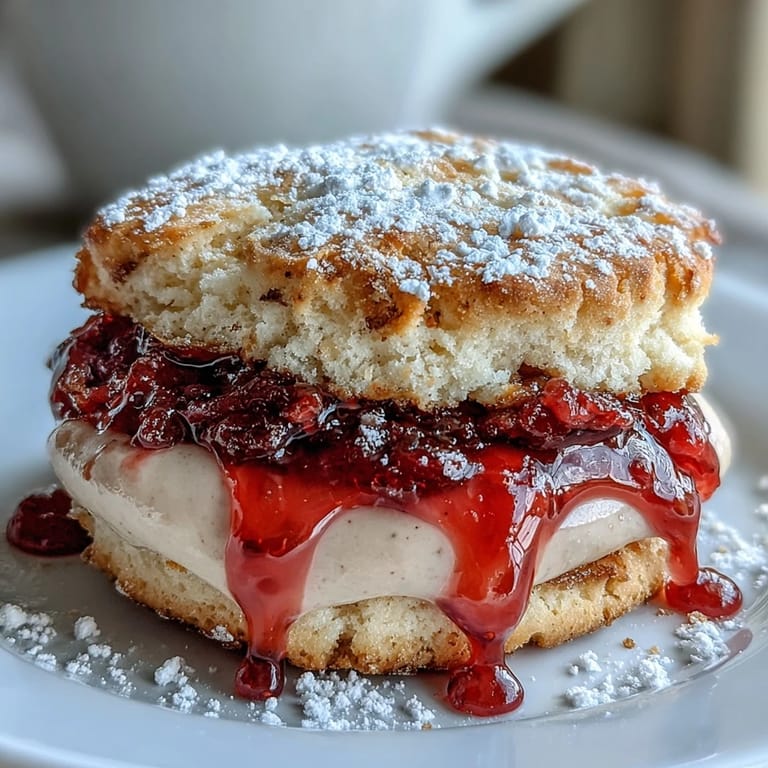
These cookies are best served the day they're made while the shortbread is still tender, though they'll hold for two days in an airtight container if you layer them carefully with parchment paper between each one. If you're making them ahead, bake the cookies and store them unfilled, then assemble them within a few hours of serving so the shortbread stays crisp. A dusting of powdered sugar on top right before serving elevates the presentation without adding any real work to the process.
- Store unfilled cookies in an airtight container at room temperature for up to three days if you need to plan ahead.
- The assembled cookies are best served within a few hours, though they'll keep refrigerated for one day if you must make them in advance.
- A pot of strong black tea or fresh cream tea is the only proper pairing for these, so plan accordingly if you're hosting.
 Save It
 Once you master these cookies, you'll find yourself making them for every occasion worth celebrating, and people will start asking you to bring them to gatherings knowing you'll deliver something that feels both simple and deeply civilized. They're proof that the best recipes don't need to be complicated—they just need to understand how a few good ingredients work together.
Recipe FAQs
- → What does clotted cream add to the shortbread?
Clotted cream enriches the dough with a silky, dense texture and deep buttery flavor that distinguishes the shortbread from standard versions.
- → Can I substitute other berries for raspberries in the filling?
Yes, strawberries or blackberries work well, providing a different but equally delicious fruity balance to the creamy filling.
- → Why is chilling the dough important before baking?
Chilling firms the dough, preventing spreading during baking and resulting in crisp, tender shortbread rounds.
- → How do I achieve a smooth raspberry filling without seeds?
Mash the berries with lemon juice, then press the mixture through a fine sieve to remove seeds and ensure a creamy texture.
- → What is the best way to store these cookies after assembling?
Keep them refrigerated in an airtight container to maintain freshness and keep the filling firm until serving.
- → Can I dust the cookies for a finished look?
Certainly! A light dusting of powdered sugar adds visual appeal and a subtle sweet touch before serving.