 Save It
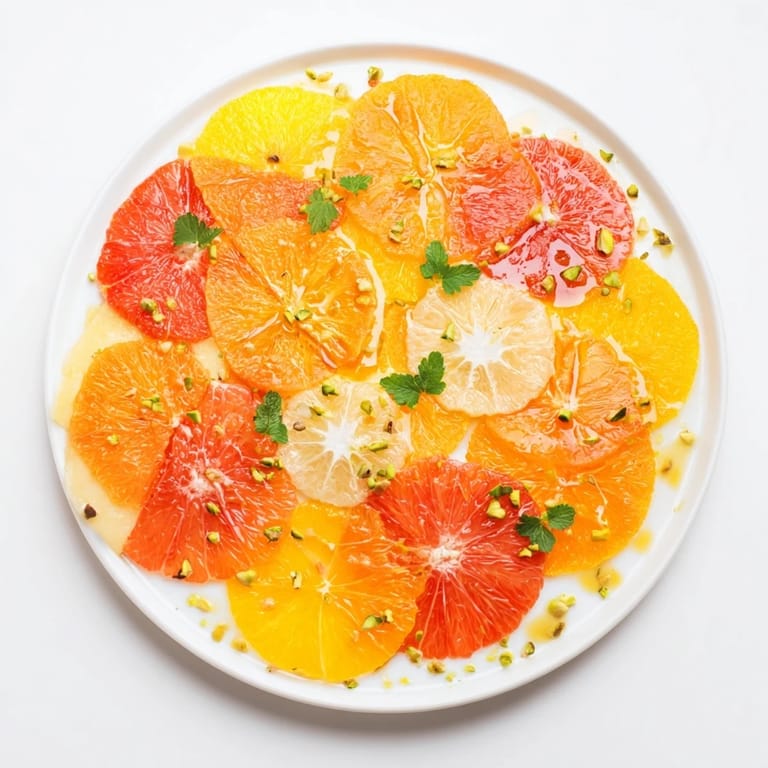
 The first time I arranged food on a round platter just to see what would happen, I wasn't thinking about fancy entertaining—I was thinking about my friend's obsession with vintage clocks and how to make her laugh at a dinner party. I grabbed whatever citrus was in my bowl, some cheese from the fridge, and suddenly there it was: a clock made entirely of food, warm golden tones radiating outward like actual sunlight frozen on a plate. She walked in, stopped mid-sentence, and just stared. That moment taught me that sometimes the most memorable dishes aren't complicated—they're just playful.
I made this for my neighbor when she threw a surprise birthday brunch, and watching people gather around it felt like they were witnessing something special, not just eating snacks. Someone asked if it was edible and seemed genuinely shocked when I said yes—apparently presentation matters more than we think. The honey caught the light as people reached for their first slice, and the whole thing disappeared faster than I'd made it.
Ingredients
- 1 large orange: The base color of your clock face—look for one that's perfectly round and unblemished so it slices evenly.
- 1 blood orange: This one's for drama; the deep red tones make the arrangement genuinely stunning.
- 1 grapefruit: Pick pink or red if you can find it, since it adds more visual depth than the pale yellow kind.
- 2 clementines: Sweet and small, they're perfect for filling gaps and adding brightness.
- 1 lemon: Just one slice or two; it's mainly here for that pop of pure yellow at twelve o'clock.
- 1 lime: The final color note, pale and fresh-looking.
- 150 g firm goat cheese or manchego: Goat cheese has this creamy tang that works beautifully, but manchego is nuttier and slices cleaner—pick based on which flavor you want to lead.
- 100 g aged cheddar or gouda: Aged varieties slice without crumbling and have the right firm-but-yielding texture for clock hands.
- 2 tbsp honey: Drizzle it like you mean it; the golden color ties the whole thing together.
- 2 tbsp chopped pistachios or walnuts (optional): If you use these, toast them lightly first so they smell incredible.
- Fresh mint leaves (optional): Scatter a few around the edge just before serving for color and that crisp, green aroma.
- Crackers or crusty bread, to serve: Have more than you think you'll need; people eat faster when they're admiring the platter.
Tired of Takeout? 🥡
Get 10 meals you can make faster than delivery arrives. Seriously.
One email. No spam. Unsubscribe anytime.
Instructions
- Prep your citrus with intention:
- Slice all your fruits into thin, even rounds—aim for about a quarter-inch thick so they're sturdy enough to stay put but thin enough that you can see the light through them. Remove any seeds as you go, because biting into an unexpected seed ruins the whole vibe.
- Build your clock face:
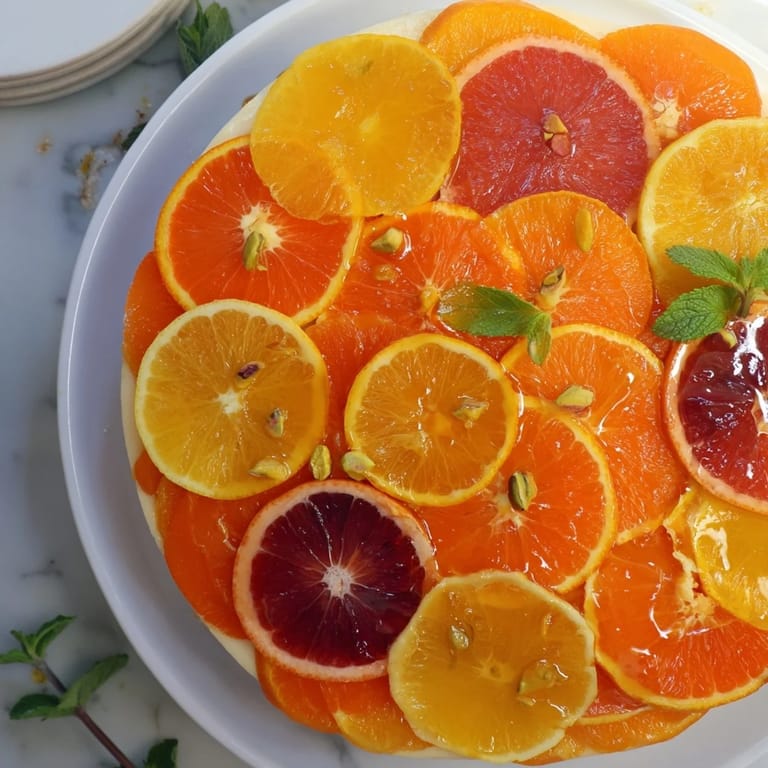
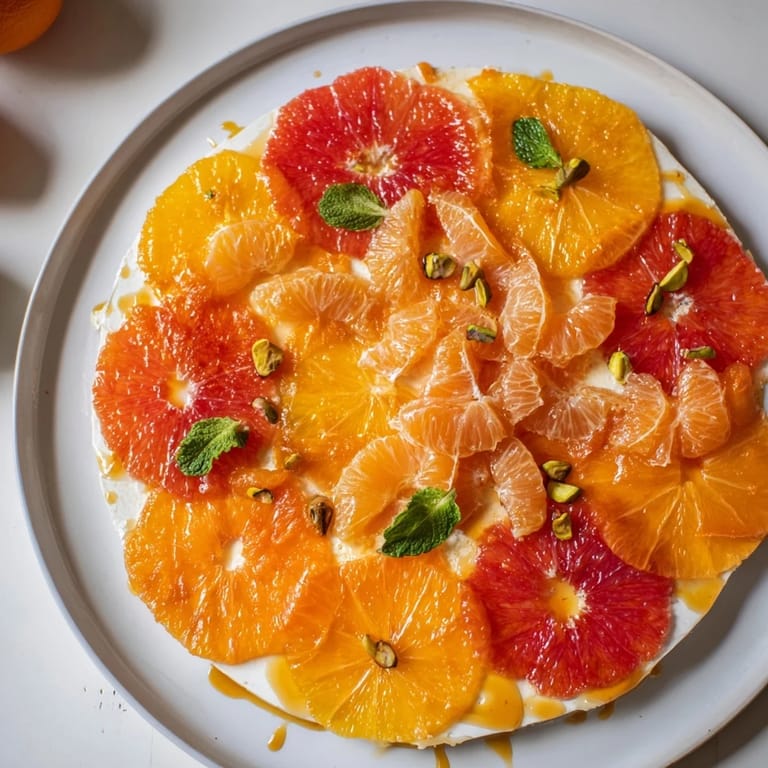
- Start with your largest round platter and begin arranging citrus slices in a perfect circle, imagining it as a clock. Place one slice at each hour, alternating colors as you go so no two slices of the same fruit sit next to each other. This is meditative work—take your time and step back every few slices to see how it's looking.
- Fashion the hands:
- Cut your cheeses into long, narrow strips that taper slightly at one end like real clock hands. Place them at the center point, pointing toward whatever time feels right—I usually aim for ten past ten because it photographs well.
- Add the honey and crunch:
- Drizzle honey over the center where your cheese hands meet, letting it pool slightly so it catches light. Scatter pistachios or walnuts over the honey if you're using them.
- Final touches:
- Tear or place fresh mint leaves around the arrangement in a few spots, enough to add color and a whisper of green without overwhelming the citrus. Serve right away with crackers and bread nearby.
 Save It
 There's something magical about food that makes people pause and actually look at it instead of just reaching for it. This platter does that—it transforms a simple arrangement of fruit and cheese into a moment, and suddenly appetizers feel like an event.
Playing With Flavor Combinations
The beauty of this platter is that you can swap flavors without changing the concept. Blue cheese adds earthiness and a sharp bite, while brie melts on the tongue and feels more luxurious. I once tried a mix of three different cheeses arranged by color instead of mixing them, and it became this gradient effect that people noticed immediately. The citrus is what grounds the whole thing—tart and bright—so the cheese is really just your chance to add richness and complexity.
Making It Memorable for Guests
The first thing people do when they see this platter is look at it like a puzzle, trying to figure out if it's actually meant to be eaten or if it's decorative. That moment of delight when they realize it's both is part of the gift. I've found that if you stand near it and actually eat a piece yourself, it gives people permission to dig in without feeling like they're destroying something too beautiful to touch. The whimsy of the concept is half the recipe.
Pairing and Serving Wisdom
Serve this with crisp, cold Prosecco or a dry white wine—something that won't overpower the citrus but will feel celebratory. The tannins in red wine fight with the citrus acid, so stick with white. If you're building a larger spread, position this platter somewhere it can be admired because people will genuinely gather around it.
- Make sure your platter is truly round and flat; any wobble and your citrus slices shift.
- If you're assembling this more than an hour before serving, cover it loosely with plastic wrap to keep the fruits from oxidizing and the cheese from drying out.
- Keep extra citrus slices and cheese nearby so you can quickly refill any gaps if someone takes more than one piece at a time.
 Save It
 This platter reminds me that cooking is partly about feeding people and partly about creating moments they'll remember. It's simple enough that anyone can make it, but thoughtful enough that it feels special.
Recipe FAQs
- → What types of cheese work best for this platter?
Firm cheeses like goat cheese, manchego, aged cheddar, or gouda hold shape well and complement citrus flavors.
- → Can I add nuts to the platter?
Yes, chopped pistachios or walnuts add texture and a nutty contrast when sprinkled over the honey drizzle.
- → How should the citrus be prepared for this arrangement?
Slice citrus fruits thinly into even rounds, removing any seeds, to create a visually appealing circular pattern.
- → What is the best way to serve this platter?
Serve immediately with crackers or crusty bread to enjoy the fresh textures and flavors at their best.
- → Can this platter be made ahead of time?
It's best assembled just before serving to keep citrus fresh and prevent cheese from drying out.