 Save It
 I discovered the magic of a waterfall grazing board during a last-minute dinner party when I realized I had exactly forty-five minutes to feed eight people. Instead of panicking, I grabbed my largest wooden board, some cheeses, and started layering—letting ingredients tumble intentionally over the edge. My guests arrived to find this stunning, abundant centerpiece that looked like I'd spent hours orchestrating it, when really I'd just leaned into controlled chaos. That night, I learned that the best entertaining doesn't always mean perfection; sometimes it means embracing a little creative spillage.
What I love most is watching people's faces when they first see it—that moment of hesitation before they realize they're meant to grab things off the table too. At a bridal shower last spring, someone asked if the ingredients falling off the edge were intentional, and when I said yes, the whole room laughed and relaxed. That's when I knew this board wasn't just about feeding people; it was about giving them permission to eat with abandon.
Ingredients
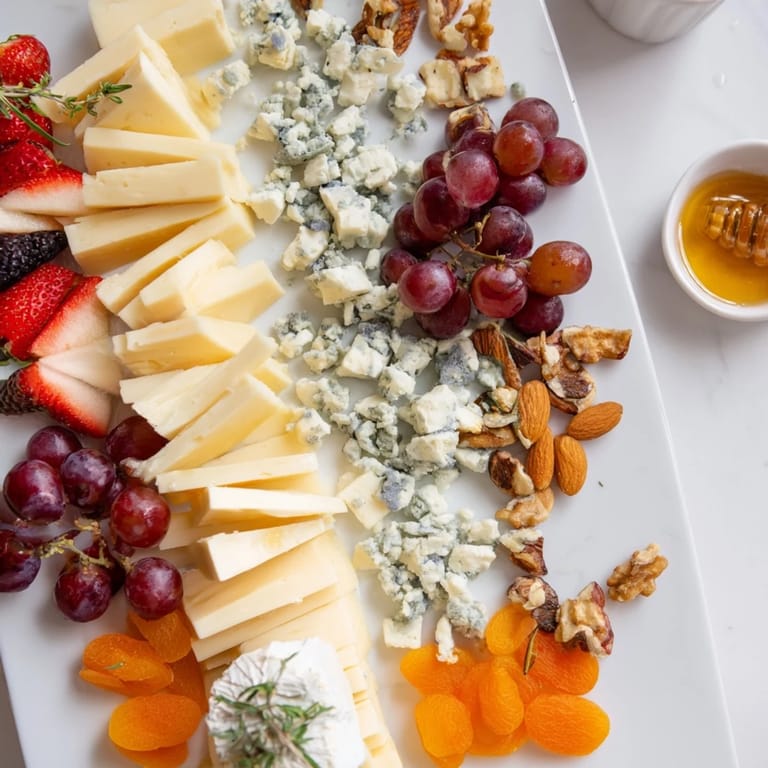
- Brie, sliced (150g): The soft, creamy anchor that bridges salty and sweet—always position a few slices right at the edge where they'll be grabbed first.
- Aged Cheddar, cubed (150g): Its sharpness cuts through the richness and keeps people coming back for more, especially when paired with something sweet.
- Blue cheese, crumbled (100g): A bold flavor that makes people pause and appreciate complexity; scatter it generously so no one misses it.
- Goat cheese, sliced (100g): Tangy and elegant, it stacks beautifully and adds visual contrast with its pale color.
- Prosciutto (100g): Paper-thin and delicate, fold it loosely so it drapes naturally and catches light as it cascades.
- Salami, sliced (100g): A salty anchor that makes people thirsty and encourages them to drink more of whatever you're serving.
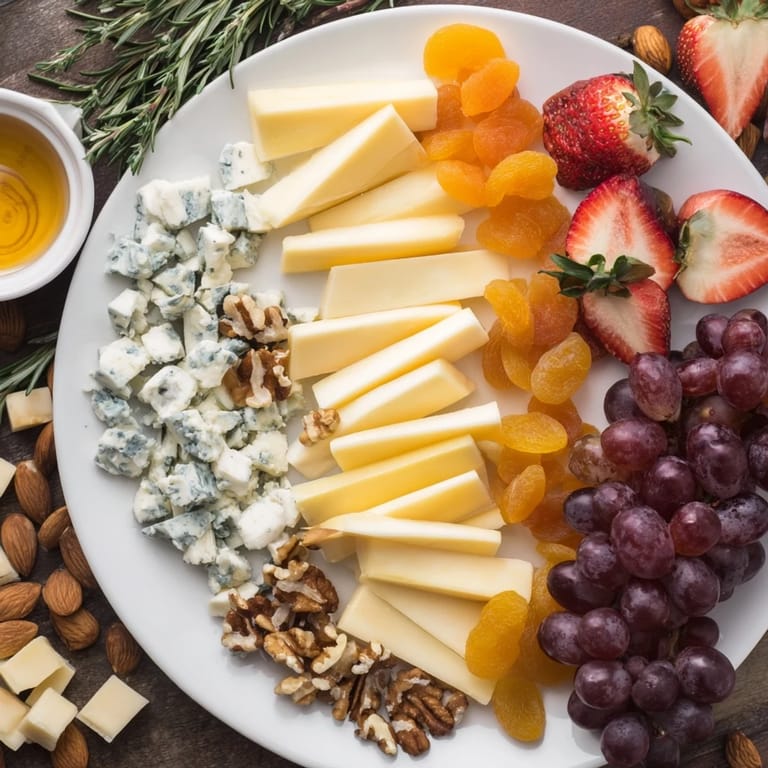
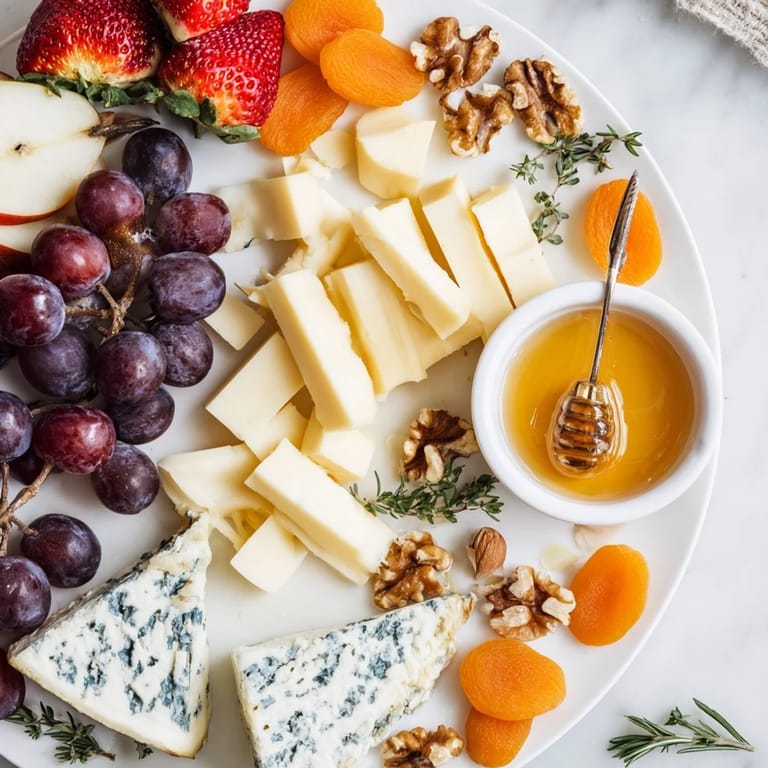
- Red grapes in small clusters (1 cup): Leave them in tiny bunches so guests can grab a whole cluster without fumbling, and arrange some so they roll onto the table.
- Strawberries, halved (1 cup): Their bright red practically glows and makes the whole board feel luxurious; halve them just before serving to keep them fresh.
- Blueberries (1/2 cup): They roll in all directions, which is actually perfect—let them scatter across the table for visual movement.
- Pear, thinly sliced (1): Slice just before serving and toss with a tiny bit of lemon juice to prevent browning and brighten the flavor.
- Dried apricots (1/2 cup): Their chewy texture and bright flavor provide contrast to everything fresh and creamy.
- Dried figs, halved (1/2 cup): Luxurious and slightly mysterious, they pair beautifully with blue cheese and make people feel sophisticated.
- Almonds (1/3 cup): Toasted if possible, they add crunch and an earthy richness that brings depth to each bite.
- Walnuts (1/3 cup): Their subtle bitterness is delicious with cheese, especially the sharper varieties.
- Baguette, sliced and toasted (1): Toast lightly so it stays crisp longer and position several slices vertically so they lean dramatically off the edge.
- Assorted crackers (150g): Choose a mix of shapes and colors; darker crackers frame lighter cheeses beautifully.
- Honey (1/4 cup): Drizzle some across the board and let a few drops fall onto the table below for visual drama and sweetness.
- Fig jam (1/4 cup): Serve in a small ramekin so people can dip their crackers and cheese, or spread it directly onto pear slices.
- Mixed olives (1/4 cup): Their briny flavor is essential—scatter some on the board and a few on the table to create a trail.
- Fresh rosemary and thyme: Tuck sprigs throughout the board for color, fragrance, and to make everything look alive and just-gathered.
Tired of Takeout? 🥡
Get 10 meals you can make faster than delivery arrives. Seriously.
One email. No spam. Unsubscribe anytime.
Instructions
- Prepare your canvas:
- Choose a large wooden or marble board and position it so one edge hangs slightly over your table or serving surface, giving you clear space for the cascade effect. If you're worried about spills, lay down parchment paper on the table below.
- Create the cheese foundation:
- Arrange your cheeses in overlapping layers near the board's edge, intentionally letting a few slices of brie and cheddar extend past the boundary. The cheeses should look abundant and inviting, almost as if they're tumbling down on their own.
- Layer the cured meats:
- Fold prosciutto and salami gently so they drape and flow beside and over the cheese, allowing them to spill gracefully toward the table below. The loose folds catch light beautifully and give the board movement.
- Scatter the fresh fruit:
- Nestle grapes in small clusters, scatter halved strawberries, and position pear slices so some cascade toward the table edge for visual drama. Let blueberries roll naturally into the gaps and onto the surface below—this feels intentional, not accidental.
- Add dried fruits and nuts:
- Tuck apricots and figs along the board's surface and let several pieces tumble off the edge, then scatter almonds and walnuts throughout to create pockets of texture. These denser elements help anchor the lighter items and add visual interest.
- Position crackers and toasted bread:
- Stand some baguette slices and crackers vertically, lean others at angles, and stack a few so they appear to be falling off the board. This vertical element makes the cascade feel more dramatic and gives guests easy grabbing points.
- Place condiments strategically:
- Set small ramekins of honey, fig jam, and olives on the board itself, positioning them so they're accessible but don't interrupt the flow of the cascade. Drizzle a little honey directly onto the board and let a few drops spill toward the table for visual connection.
- Garnish with herbs:
- Tuck fresh rosemary sprigs and thyme throughout the entire display, using them to fill gaps and add pops of green color. They make everything feel fresh, fragrant, and intentional.
- Serve and encourage abundance:
- Present the board with confidence and invite guests to grab from both the board and the fallen elements on the table, treating the cascade as part of the experience rather than a mishap.
 Save It
 I once spent twenty minutes perfectly arranging a waterfall board only to have my cat knock a wedge of brie off the table onto our kitchen floor. Instead of starting over, I just positioned a fresh piece right where it fell and decided it was part of the aesthetic. My partner laughed so hard, and honestly, that moment—the imperfection, the shared humor—became the best part of that dinner.
The Art of the Cascade
The waterfall effect is less about engineering and more about embracing controlled abundance. I used to overthink the geometry of it, measuring angles and spacing, until a chef friend told me to stop treating it like a physics problem and start treating it like a painting. Now I think about color balance and movement rather than perfect symmetry. A few strawberries rolling off the edge aren't mistakes; they're visual punctuation.
Building Flavor Pairings
The real magic happens when your guests discover unexpected flavor combinations on their plate—creamy goat cheese with a fig, salty prosciutto with sweet honey, sharp cheddar with a blueberry. I arrange the board so these pairings happen naturally, with complementary items sitting close enough to be grabbed together but distinct enough to feel like a discovery. It's the difference between presenting a grazing board and creating an interactive flavor journey that keeps people exploring all evening.
Timing and Temperature
Cold ingredients are your friend here because they stay beautiful longer and taste better when they're chilled. I prep everything an hour ahead, cover the board loosely with plastic wrap, and refrigerate it until fifteen minutes before guests arrive. This gives the board time to lose its cold edge so the cheeses are creamy, but it's still fresh enough that nothing has wilted or sweated. The crackers stay crisp, the fruit stays firm, and everything tastes exactly as intended.
- Cheese straight from the fridge is too cold and tastes muted; letting it sit for 15 minutes opens up its flavor profile.
- Wet hands before slicing pears and apples to prevent browning, or rub the exposed flesh with lemon juice for a bright flavor boost and longer freshness.
- Toast bread or crackers only a few hours before serving so they maintain their crunch and don't absorb moisture from the board.
 Save It
 There's something special about a board that makes people feel welcomed and celebrated without requiring you to stand over a stove. Build one of these, pour yourself a drink, and enjoy watching your guests rediscover the simple joy of beautiful, abundant food.
Recipe FAQs
- → How can I make this board vegetarian-friendly?
Simply omit the cured meats and focus on cheeses, fruits, nuts, and crackers for a delicious meat-free alternative.
- → What’s the best way to achieve the cascading effect?
Arrange ingredients so some pieces intentionally extend past the board’s edge and onto the table, creating a waterfall appearance.
- → Which cheeses work well on this board?
Soft brie, aged cheddar, blue cheese, and goat cheese provide a balanced variety of flavors and textures.
- → What accompaniments enhance the flavors?
Honey, fig jam, olives, and fresh herbs like rosemary and thyme add sweetness, brininess, and aromatic notes.
- → Can this board be prepared ahead of time?
Most elements can be prepared in advance, but assemble close to serving time to maintain freshness and appearance.