 Save It
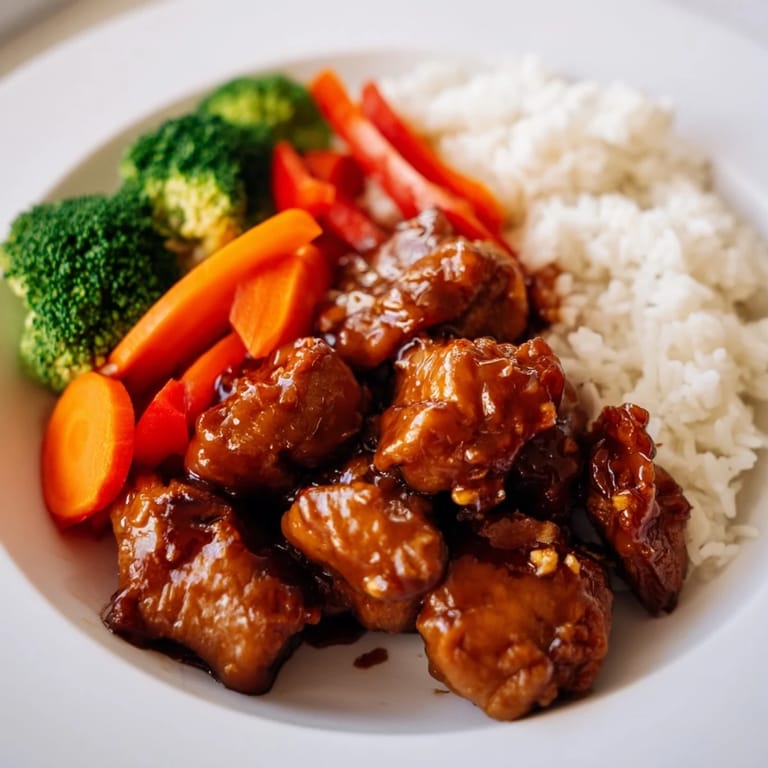
 There's something about the way teriyaki chicken smells while it's glazing that makes you suddenly understand why this dish has stayed in my rotation for years. I wasn't expecting much when I first threw together soy sauce, mirin, and honey one rushed Tuesday evening, but that moment when the sauce thickened and clung to golden chicken pieces felt like discovering a shortcut to something restaurant-worthy. Now it's become my go-to when I need to feel like I've cooked something impressive without actually spending my whole evening in the kitchen.
I remember bringing this to a potluck where everyone was expecting the usual pasta situation, and watching people go back for seconds while their rice was still steaming—that's when I realized this wasn't just my weeknight comfort meal anymore, it was something that actually impressed people without trying. The combination of tender chicken, those sticky glaze moments, and fresh vegetables just works in a way that feels both simple and special.
Ingredients
- Chicken thighs: These stay juicy and forgiving, unlike breasts which can dry out if you're not watching every second.
- Soy sauce: Low-sodium is essential here—regular soy sauce can make the whole dish uncomfortably salty, and you want room for the mirin and honey to shine.
- Mirin: This is the secret weapon that makes the sauce taste authentic and balanced; don't skip it for regular sugar.
- Honey or maple syrup: Both work beautifully, though honey gives a slightly more delicate sweetness.
- Rice vinegar: Just a splash cuts through the richness and keeps the sauce from feeling one-dimensional.
- Cornstarch: This is what transforms a loose sauce into that gorgeous glossy coating that clings to everything.
- Fresh ginger and garlic: These aren't optional—they're what separate this from tasting like bottled teriyaki.
- Jasmine rice: Short-grain works too, but jasmine has a subtle fragrance that feels right alongside the glaze.
- Vegetables: I use broccoli, carrots, and bell pepper because they hold their shape slightly and have different textures, but honestly whatever needs using will work.
Tired of Takeout? 🥡
Get 10 meals you can make faster than delivery arrives. Seriously.
One email. No spam. Unsubscribe anytime.
Instructions
- Start your rice:
- Rinse the rice until the water runs clear—this prevents it from getting gummy and cloudy. Combine with water, bring to a boil, then cover and simmer on low for 12–15 minutes until all the water disappears and the grains are tender. Let it sit covered for 5 minutes after you turn off the heat; this resting period is when the rice fully sets.
- Prep the vegetables:
- While rice simmers, steam or blanch your broccoli, carrots, and bell pepper until they're just tender but still have a bit of resistance (about 3–4 minutes). You want them bright and slightly crisp, not limp.
- Make the sauce:
- In a bowl, whisk soy sauce, mirin, honey, rice vinegar, cornstarch, water, minced garlic, and grated ginger until smooth. The cornstarch will settle, so give it a stir right before using.
- Cook the chicken:
- Heat oil in a large skillet over medium-high heat until it shimmers slightly. Season your chicken pieces with salt and pepper, then add them to the pan in a single layer. Let them sit undisturbed for 2–3 minutes so they develop a golden crust, then stir and cook another 3–4 minutes until cooked through.
- Build the glaze:
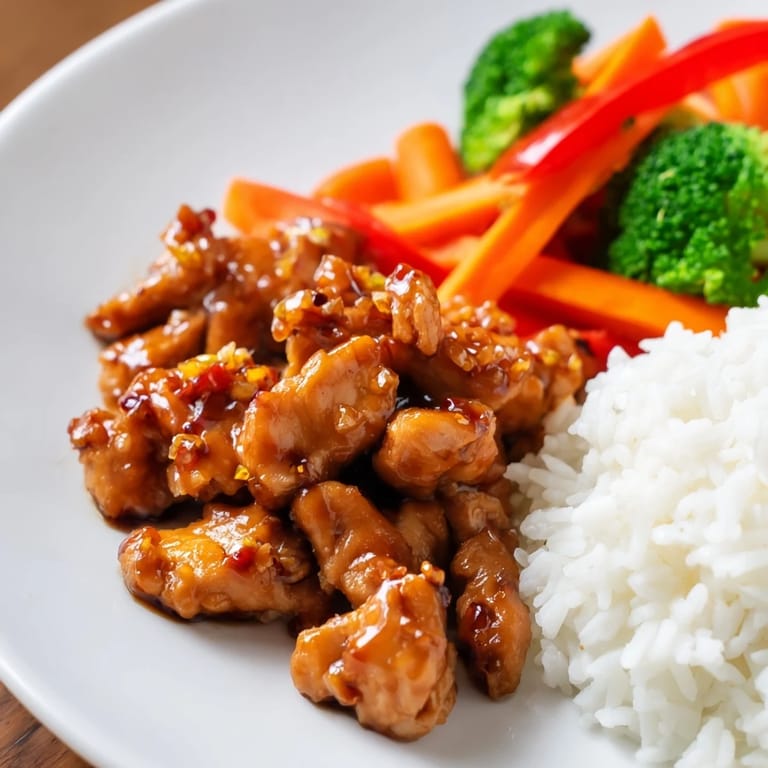
- Pour the sauce over the cooked chicken and stir constantly as it heats—you'll see it transform from loose liquid into a thick, glossy coating that hugs each piece (about 2–3 minutes). This is the moment it looks restaurant-quality.
- Assemble your containers:
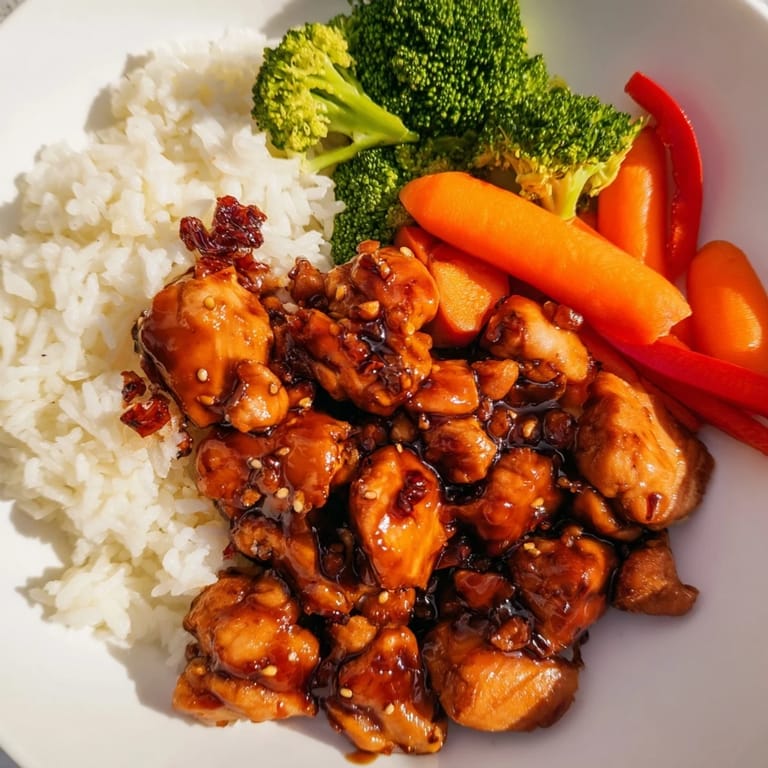
- Divide cooked rice among containers, top with teriyaki chicken, then add steamed vegetables. Sprinkle with sesame seeds and spring onions if you want that extra flourish.
- Cool and store:
- Let everything cool to room temperature before sealing your containers; this prevents condensation from making your rice soggy. Refrigerate for up to 4 days.
 Save It
 There was a morning I made this the night before and had it cold straight from the container while standing at my kitchen counter before work, and I realized the flavors had actually deepened overnight—the chicken had absorbed more of the glaze, the rice had firmed up in the best way. That's when this dish shifted from something I made for convenience into something I actually looked forward to eating.
Why Chicken Thighs Matter Here
Chicken breasts will work if that's what you have, but there's a real difference in how forgiving thighs are with cooking time and heat. They have more fat running through them, which means they stay moist even if you accidentally overcook by a minute or two, and that fat also helps carry the teriyaki flavor deeper into the meat. I've learned this the hard way after drying out more than one batch of chicken breast early on.
Making This Your Own
The beauty of this dish is how adaptable it is without losing its character. I've swapped in tofu for vegetarian versions, added edamame and snap peas for extra protein and crunch, and even stirred in some sriracha at the end when I wanted heat. Every version tastes intentional rather than like you're just making do.
Storage and Meal Prep Wins
This might be the best meal-prep recipe I know because it doesn't degrade the way some dishes do after a few days—if anything, it tastes better once the flavors have melded together. The containers go straight to work with you, and cold teriyaki chicken is somehow even more satisfying than hot when you're eating at your desk at noon.
- For gluten-free, swap regular soy sauce for tamari and it tastes just as authentic.
- If you want to prep just the sauce and chicken separately from rice and veggies, they'll keep for up to 4 days in different containers and you can assemble fresh.
- Sesame seeds and spring onions are best added right before eating so they don't get soggy overnight.
 Save It
 This recipe has lived in my kitchen rotation long enough that I make it without thinking anymore, which somehow makes it taste even better because there's no stress, just muscle memory and the smell of something good coming together. That's how you know a recipe has earned its place.
Recipe FAQs
- → How do you make the teriyaki sauce thick and glossy?
Whisk a mixture of cornstarch and water into the soy sauce, mirin, honey, garlic, and ginger blend. Cooking the sauce with the chicken for a few minutes thickens it and gives a glossy finish.
- → What vegetables work best with this dish?
Broccoli, carrots, and red bell pepper are steamed until tender-crisp, providing color, nutrition, and a fresh contrast to the savory chicken.
- → Can jasmine rice be substituted?
Yes, short-grain rice or other medium-grain varieties are suitable as they absorb flavors well and offer a soft texture.
- → How can this meal be kept fresh for meal prep?
Allow all components to cool before sealing containers and refrigerate up to four days. Reheat gently to maintain texture and flavor.
- → Are there alternatives for soy sauce to make it gluten-free?
Tamari is an excellent gluten-free substitute for soy sauce, preserving the umami flavor of the teriyaki glaze.