 Save It
 There's something almost magical about the smell of cinnamon rolls baking on a lazy Sunday morning. I discovered my weakness for these when my neighbor brought a batch over unannounced, and I remember the kitchen filling with that warm, buttery aroma before I'd even finished my coffee. The way she described making them seemed impossibly simple, but when I tried, I learned that patience and a gentle hand with the dough make all the difference. Now I can't imagine a weekend brunch without a batch cooling on the counter, waiting for that cloud-soft glaze.
I made these for a group of friends visiting from out of town, and I'll never forget how quiet the kitchen got once everyone took their first bite. Someone asked if I'd learned to bake professionally, and I had to laugh while admitting these were only my fourth attempt. That moment taught me that homemade food carries a kind of warmth store-bought pastries simply can't match, especially when you've fussed over every fold.
Ingredients
- All-purpose flour (4 cups): The structure of your rolls depends on this, so don't skip the measuring spoons and actually level it off instead of packing it down.
- Active dry yeast (2 1/4 tsp): This is alive, so keep it in a cool, dark place and check the expiration date because old yeast gives you dense, disappointing rolls.
- Warm milk (1 cup): The temperature matters more than you'd think, use a quick thermometer to hit around 110°F so the yeast wakes up without dying.
- Granulated sugar (1/3 cup) and brown sugar (2/3 cup): The granulated sugar feeds the yeast, while the brown sugar in the filling gives that deep molasses note that makes these special.
- Unsalted butter (softened and melted): Using unsalted lets you control the salt level, and room temperature butter mixes evenly without creating greasy pockets.
- Eggs (2 large): These add richness and help bind everything into that tender crumb you're after.
- Salt (1 tsp): Don't omit this because it actually tames the sweetness and lets the cinnamon shine.
- Ground cinnamon (2 1/2 tbsp): This is the hero of your filling, and I recommend getting it fresh from a specialty shop if you can because the difference is noticeable.
- Cream cheese and butter for glaze: These two create a frosting that's tangy, not cloyingly sweet, and they must be softened or your glaze will have lumps.
- Powdered sugar (1 cup): Sift it even if you're impatient like me, because unsifted sugar creates grainy streaks in the glaze.
Tired of Takeout? 🥡
Get 10 meals you can make faster than delivery arrives. Seriously.
One email. No spam. Unsubscribe anytime.
Instructions
- Wake up the yeast:
- Pour your warm milk into a bowl and add the yeast with just a tablespoon of sugar. You'll see it bubble and foam within minutes, which is your signal that everything's ready to go. If nothing happens after 10 minutes, your yeast is dead and you'll need to start over.
- Build the dough base:
- Mix in the remaining sugar, melted butter, eggs, and salt, then gradually add the flour while stirring. The dough will be slightly sticky and that's exactly right, though it should come together without being gluey.
- Knead until silky:
- Work the dough on a floured surface for about 6 to 8 minutes, and you'll feel it transform under your hands from rough to smooth and elastic. This is meditation work, the kind that makes you forget about everything else for a moment.
- First rise:
- Place your dough in a greased bowl, cover it with a damp kitchen towel, and let it sit in a warm corner of your kitchen for about an hour. It should roughly double in size, which you can test by poking it with a floured finger and watching the dent slowly spring back.
- Roll and fill:
- Punch down the dough to release the air, then roll it into a rectangle about 16 by 12 inches on a lightly floured surface. Spread the soft butter all over, then sprinkle the cinnamon-brown sugar mixture evenly across, right to the edges.
- Roll and cut:
- Starting from a long side, roll the dough tightly into a log and pinch the seam closed, then cut it into 12 equal rolls using a sharp knife or even dental floss if you have it. The floss trick prevents squishing the soft dough if you're worried about that.
- Second rise:
- Arrange the rolls in a greased 9 by 13-inch baking dish, cover loosely with plastic wrap, and let them rise until they're nearly doubled again, usually 35 to 45 minutes. You want them to look puffy and touching slightly, which means they'll bake into each other and stay wonderfully soft.
- Bake to golden:
- Preheat your oven to 350°F and bake for 22 to 25 minutes, until the tops are deep golden brown. The time varies slightly depending on your oven, so start checking around the 20-minute mark.
- Make the glaze while they bake:
- Beat together softened cream cheese, softened butter, sifted powdered sugar, vanilla extract, and just enough milk to make something that spreads smoothly. Taste it and adjust sweetness if you need to, because this glaze is forgiving.
- Finish warm:
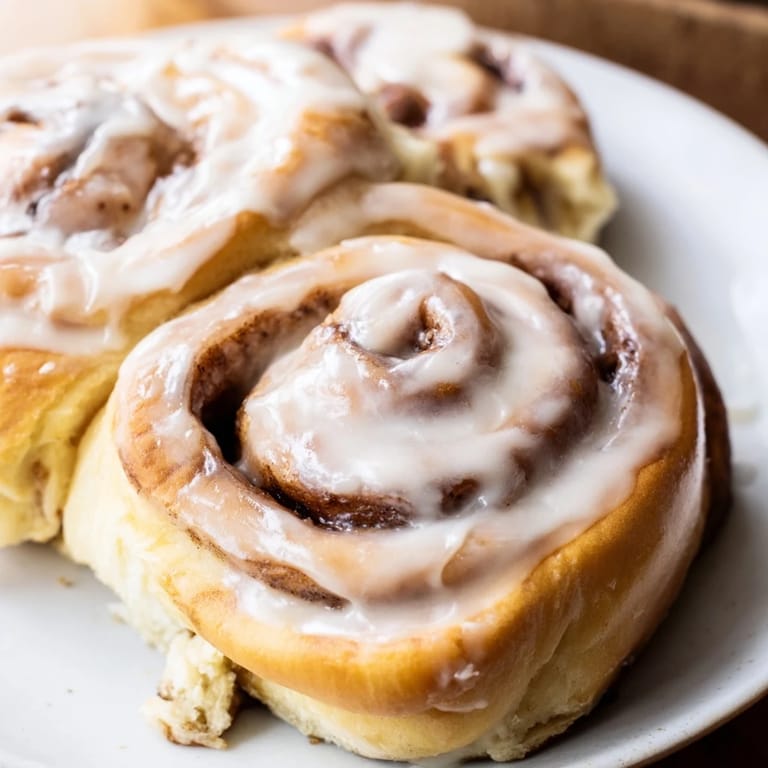
- Let the rolls cool for just 10 minutes so the glaze doesn't melt off immediately, then spread or drizzle it generously over the warm rolls. They're best eaten fresh, but honestly they disappear so fast that's rarely a concern.
 Save It
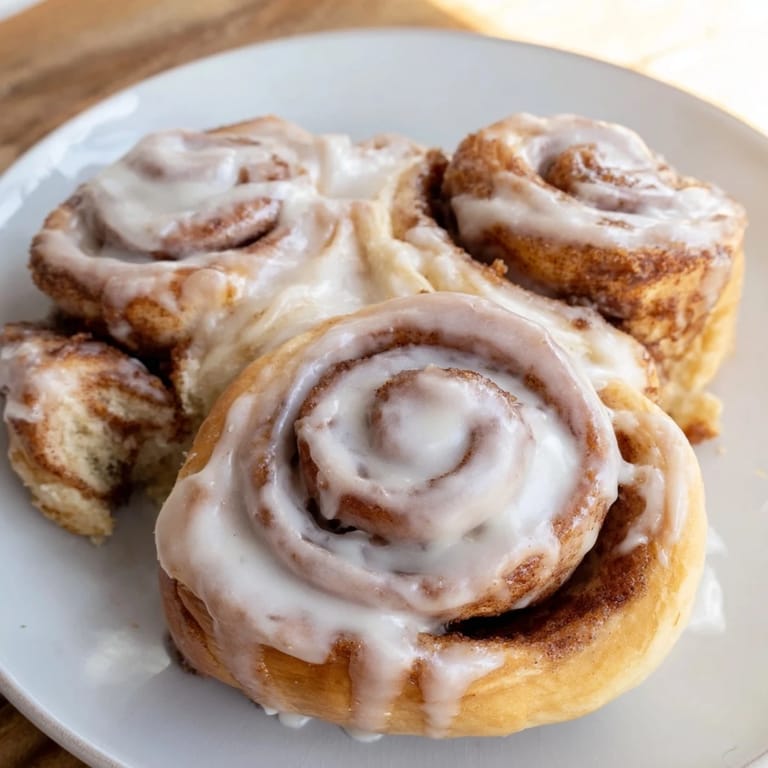
 I remember my daughter watching the rolls rise through the oven door window, completely mesmerized by how they puffed up, and asking if they were alive. That simple question made me realize why baking matters so much to me, because it's about creating something that feels almost sentient, something that grows and transforms right before your eyes. Pulling that pan from the oven and seeing the glaze melt into the warm rolls, then watching everyone's faces light up as they took a bite, reminded me that food really is a form of love.
The Science of Soft Rolls
Softness comes down to a few key things working together. The fat from butter and eggs tenderizes the crumb, while the sugar feeds the yeast and adds moisture. Not overworking the dough means the gluten structure stays just relaxed enough to create those tender layers instead of a tight, chewy texture. I learned this through trial and error, and once I understood it, every batch turned out better than the last.
Make-Ahead Magic
There's real joy in preparing these the night before and waking up to the smell of fresh rolls baking. After you shape them and place them in the baking dish, cover everything with plastic wrap and slide it into the fridge overnight. The next morning, pull them out to reach room temperature for about an hour, then bake as usual. The slow, cold rise actually develops more flavor, which is a happy accident I discovered by accident once when I forgot to bake them on schedule.
Beyond the Classic
While these rolls are perfect on their own, I've had fun playing with additions over the years. Chopped pecans or raisins in the filling add texture and depth, while a pinch of cardamom mixed into the cinnamon sugar brings something unexpected and sophisticated. Some mornings I'll brush the warm baked rolls with a little melted butter mixed with cinnamon before adding the glaze, just to add one more layer of flavor.
- Try adding 1/2 teaspoon of cardamom to the cinnamon filling for a subtle, warming spice note.
- Toast pecans or walnuts lightly before chopping and adding them to the filling so they stay crispy inside the soft rolls.
- If you want less glaze, reduce the powdered sugar slightly and add a tiny splash of lemon juice for brightness.
 Save It
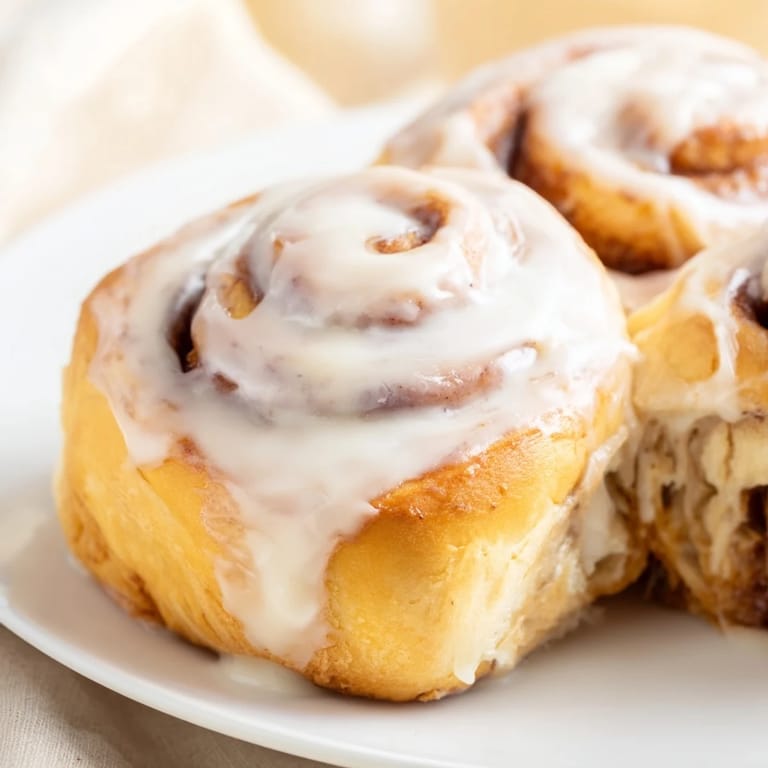
 There's something deeply satisfying about pulling a pan of cinnamon rolls from the oven, knowing you made something warm and delicious from just a few simple ingredients. Share these with the people you love, and watch how a good breakfast or brunch becomes a moment everyone remembers.
Recipe FAQs
- → What makes these cinnamon swirls so soft?
The double rise of the dough and the use of melted butter and warm milk create a tender, fluffy texture in these swirls.
- → Can I add nuts or dried fruit to the filling?
Yes, chopped pecans or raisins can be folded into the cinnamon sugar filling for added texture and flavor.
- → How long should the dough rise for best results?
Let the dough rise until doubled in size, about 1 hour initially, and again for 35–45 minutes after shaping the swirls.
- → What is the best way to cut the swirls evenly?
Use a sharp knife or dental floss to slice the rolled dough into even pieces without squashing the softness.
- → How do I prepare the creamy glaze?
Mix softened cream cheese, butter, powdered sugar, vanilla, and a bit of milk until smooth and spreadable for a luscious finish.