 Save It
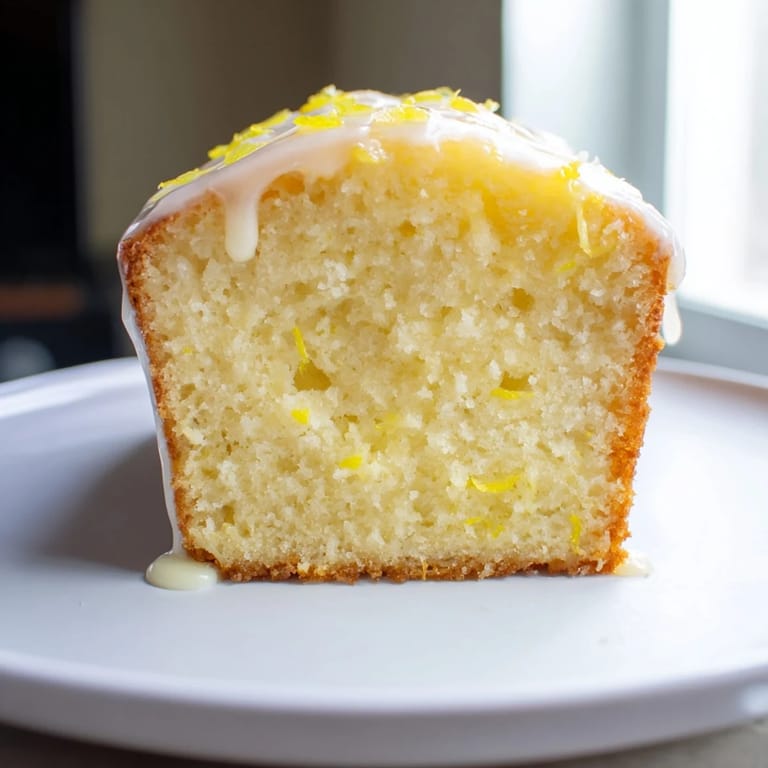
 There was a Tuesday morning when I needed to bring something to a friend's breakfast gathering, and my usual routine of multi-step baking felt impossible. I grabbed Greek yogurt from the fridge out of habit, and it hit me: what if I just threw everything into the blender? Twenty minutes later, I pulled out this impossibly moist, sunshine-bright lemon cake. It felt like I'd discovered a secret, one of those recipes that tastes like it took all morning but whispers a different story entirely.
My neighbor once told me she'd only make cakes on weekends because baking stressed her out. I sent her home with a loaf of this one, and she texted me the next day saying she'd made two more before noon. Watching someone discover that baking could be easy and joyful, not a performance, changed how I thought about sharing recipes.
Ingredients
- Greek yogurt (1 cup): The secret to moisture and tang; it creates a tender crumb that stays soft for days.
- Eggs (3 large): Structure and lift without overthinking it; room temperature works best.
- Vegetable oil (1/2 cup): Keeps the cake impossibly moist; don't skip this or substitute with butter.
- Granulated sugar (1 cup): Sweetness and tenderizer all at once.
- Lemon zest (from 2 lemons): Where the real flavor lives; a microplane makes this effortless.
- Fresh lemon juice (1/4 cup): Brightness and acidity that makes everything sing.
- Vanilla extract (1 teaspoon): A quiet amplifier for the lemon without announcing itself.
- All-purpose flour (1 1/2 cups): The foundation; measure by weight if you have a scale for consistency.
- Baking powder (2 teaspoons): Gentle rise without drama.
- Salt (1/4 teaspoon): Balances sweetness and deepens flavor.
- Powdered sugar and lemon juice for glaze: Optional but worth the two minutes it takes to drizzle.
Tired of Takeout? 🥡
Get 10 meals you can make faster than delivery arrives. Seriously.
One email. No spam. Unsubscribe anytime.
Instructions
- Prep your pan and warm your oven:
- Heat to 350°F and get your 9x5-inch loaf pan ready with a light grease and flour, or parchment paper if you prefer. This small step prevents sticking disasters.
- Blend the wet ingredients into silence:
- Combine yogurt, eggs, oil, sugar, lemon zest, lemon juice, and vanilla in your blender and blend until the mixture is completely smooth, about 30 seconds. You're looking for one unified, pale yellow mixture with no streaks.
- Add dry ingredients with a gentle touch:
- Sprinkle flour, baking powder, and salt over the wet mixture and pulse, pulse, pulse until just combined. This is not the moment to be thorough; overmixing develops gluten and turns the cake tough and dense.
- Pour and smooth:
- Transfer the batter into your prepared pan and use an offset spatula or the back of a spoon to even out the top. Don't fuss too much; it will find its own level in the oven.
- Bake until golden and set:
- Slide into the oven for 35 to 40 minutes, watching for a light golden-brown color on top. A toothpick inserted in the center should come out clean or with just a few moist crumbs, not wet batter.
- Cool with patience:
- Let it rest in the pan for 10 minutes, then turn it out onto a wire rack to cool completely. This waiting period prevents the cake from breaking apart while still warm and fragile.
- Glaze if the moment calls for it:
- Whisk powdered sugar with lemon juice until smooth and drizzle it over the completely cooled cake. The glaze sets in about 15 minutes and adds a polished finish.
 Save It
 I once brought this cake to a book club meeting where someone was going through a rough patch. She had two slices and said later that it was the first time in weeks she'd felt like dessert was still a small joy worth having. That's when I understood this cake isn't just about efficiency or bright flavor; it's about how the right thing at the right time matters.
Why This Cake Feels Different
There's something almost defiant about a recipe this simple that tastes this sophisticated. The blender method strips away the intimidation of creaming butter or folding in egg whites, but the yogurt and lemon create layers of flavor that feel considered and intentional. It's the kind of cake that makes you feel like you've done something special without exhausting yourself in the process.
Serving and Storage Wisdom
This cake tastes best the day after baking, when the flavors have settled and deepened. Wrap it well and it keeps for up to four days, though it rarely lasts that long. A thin slice with a cup of Earl Grey tea or a glass of Moscato is the conversation this cake was meant to have.
Variations Worth Exploring
Once you've made this cake a few times, you'll start seeing possibilities everywhere. Add a touch more lemon extract if you want the flavor to shout instead of whisper. Swap the vanilla for almond extract for something unexpected. Try fresh berries folded gently into the batter, or dust the finished cake with a light coating of lemon-flavored sugar. The foundation is forgiving enough to let you play.
- For extra brightness, zest three lemons instead of two and reduce the sugar by two tablespoons if you prefer less sweetness.
- Whole-milk yogurt works beautifully if Greek yogurt isn't on hand, though the cake will be slightly less dense.
- Serve alongside whipped cream, fresh berries, or lemon curd for moments when simple isn't quite enough.
 Save It
 This cake arrived in my life when I needed to believe that good things didn't require elaborate effort. It's been a quiet reassurance ever since.
Recipe FAQs
- → What ingredients enhance the lemon flavor?
Adding extra lemon zest or a few drops of lemon extract boosts the bright, tangy flavor.
- → Can I substitute the Greek yogurt?
Plain whole-milk yogurt can be used as a substitute without altering the texture significantly.
- → How do I prevent the cake from drying out?
Use fresh ingredients and avoid overbaking; baking until a toothpick comes out clean ensures moistness.
- → Is the blender method essential?
Blending wet ingredients creates a smooth batter quickly, but mixing by hand is possible with careful blending.
- → What pairs well with this lemon cake?
Fresh berries, whipped cream, Earl Grey tea, or a glass of Moscato complement the cake’s citrus brightness.