 Save It
 My grandmother's kitchen in Riga always smelled like caraway and dark rye flour on baking day. She'd pull out this same recipe, one she'd learned from her mother, and the whole apartment would fill with that unmistakable aroma by afternoon. I didn't appreciate it as a child—too impatient for the overnight rise—but years later, I found myself craving that exact smell, that exact bread. Now when I make rupjmaize, I'm transported back to her small kitchen, watching her confident hands shape the dough without a second thought.
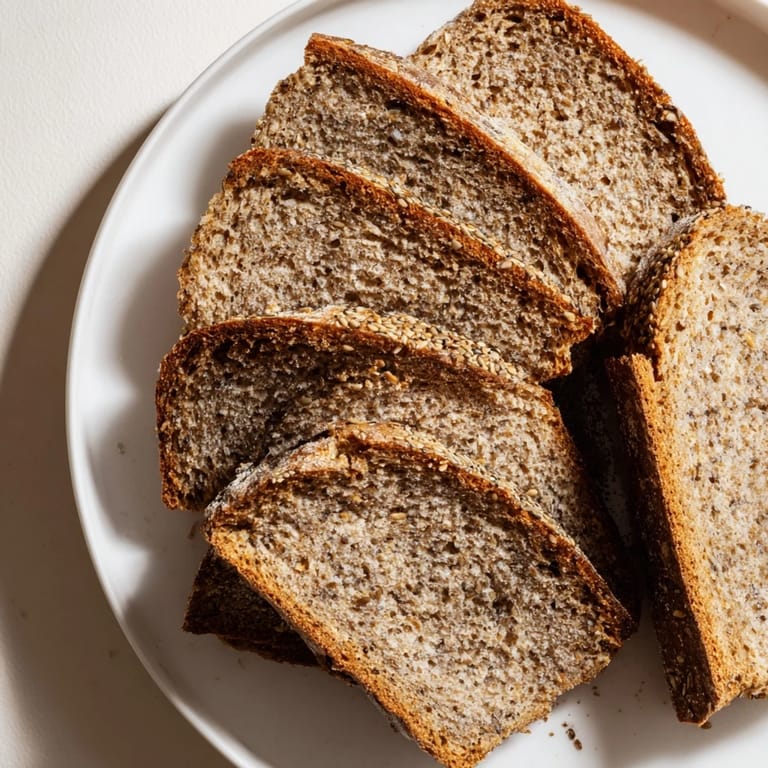
The first time I made this for friends, I served thick slices toasted and warm with salted butter, and watched them go quiet for a moment. That dense, almost nutty crumb, the way it held together without being gummy—it was the kind of bread that makes you slow down and actually taste what you're eating. Someone asked for the recipe that night, and I realized this wasn't just old-fashioned bread, it was the kind of thing people remember.
Ingredients
- Dark rye flour (500 g): This is the backbone of authentic rupjmaize, giving it that deep, almost earthy flavor and dense texture that sets it apart from regular bread.
- Bread flour (100 g): Just enough to give the dough some structure and elasticity without losing that characteristic rye density.
- Active dry yeast (1 packet / 7 g): The long, cool overnight rise means you only need a small amount; the slow fermentation does the real work.
- Warm water (350 ml): Rye dough drinks up liquid differently than wheat—it will feel sticky, and that's exactly what you want.
- Molasses or dark honey (2 tbsp): Not just for sweetness, this deepens the flavor and creates that dark, glossy crust that's impossible to resist.
- Salt (2 tsp): Balances the earthy notes and strengthens the gluten structure in rye dough.
- Caraway seeds (2 tsp): Toast them first if you have a moment—it wakes up their flavor and makes people actually taste them instead of wondering what that subtle warmth is.
- Vegetable oil (1 tbsp plus extra): Keeps the dough from sticking without changing the flavor, and helps that crust develop beautifully.
Tired of Takeout? 🥡
Get 10 meals you can make faster than delivery arrives. Seriously.
One email. No spam. Unsubscribe anytime.
Instructions
- Wake up the yeast:
- Combine warm water, molasses, and yeast in your bowl and let it sit for 10 minutes—you're waiting for that foam on top, which tells you the yeast is alive and ready. If it doesn't foam, your yeast is dead and it's time to start over with fresh yeast.
- Build the dough:
- Add all your flours, salt, and caraway seeds to the foamy mixture and stir with a wooden spoon until it comes together into a shaggy, sticky mass. This is not a smooth, elastic dough like sandwich bread—rye dough is supposed to be sticky and feel almost wet.
- Knead gently:
- Drizzle in the oil and knead for 5–7 minutes by hand or with a dough hook until the dough smooths out slightly and becomes elastic, though it will still feel tacky. Stop before you're tempted to add more flour; rye bread needs that moisture to stay moist and tender inside.
- First rise overnight:
- Shape into a ball, oil a large bowl, cover it, and let it sit at room temperature for 12–16 hours until it's doubled. This slow, cool rise is where all the magic happens—the flavor deepens and the dough develops strength without needing aggressive kneading.
- Shape and proof:
- Punch down the dough, turn it out onto a lightly floured surface, and shape it into a round or oval loaf—don't overthink this part. Place it on a parchment-lined sheet or in a greased loaf pan and let it rise covered for 45–60 minutes until it's puffy and springs back slowly when you poke it.
- Prepare for baking:
- While the dough is rising, preheat your oven to 220°C (425°F). Just before baking, dust the top generously with rye flour and, if you're feeling fancy, score it with a sharp knife—these marks are purely for looks.
- Bake until golden:
- Bake for 45–50 minutes in the center of the oven, watching for a deeply browned crust and listening for that hollow sound when you tap the bottom. The crumb inside should feel substantial and slightly moist, not airy.
- Cool completely:
- Let the bread rest on a wire rack until it's completely cool before slicing—the interior is still setting during this time, and cutting into warm bread will compress the crumb. This is hard to wait for, but it matters.
 Save It
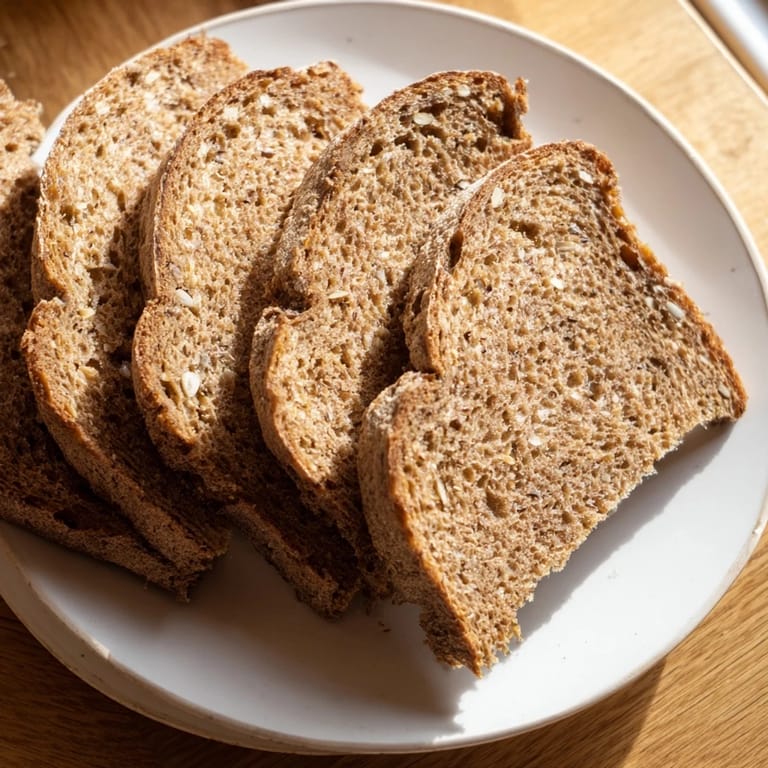
 My partner walked into the kitchen while I had a slice of fresh rupjmaize toasted under the broiler, and the smell stopped him mid-stride. He sat down at the counter without saying anything and ate the whole thing with just butter and a little salt, and somehow that quiet moment meant more than any fancy dinner I've ever made. This bread does that—it brings people together without any fuss.
Why Rye Bread Takes Time
The 12–16 hour rise isn't a flaw in the recipe; it's the whole point. Rye dough ferments more slowly than wheat dough, and this long, cool rise develops deep, slightly sour notes that make the bread taste alive and complex. Rushing it or using a warm rise will give you a loaf that looks fine but tastes thin and forgettable. The wait is where the magic lives.
Storing and Reviving Your Loaf
Rupjmaize keeps beautifully for several days at room temperature in a paper bag or wrapped in cloth—the dense crumb stays moist longer than airy breads. After a day or two, a quick toast under the broiler or in a toaster oven brings it back to life completely, with that crispy exterior and warm, soft interior. Slicing before freezing means you can pull out a single slice whenever the craving hits, no thawing required.
Serving Traditions and Ideas
In Latvia, rupjmaize is traditionally served with smoked fish, pickled vegetables, and sharp cheeses, but honestly it's just as good with simple salted butter and a cup of strong coffee. I've served it alongside hearty soups and stews, where it soaks up the broth without falling apart, and I've seen people eat it plain, slice after slice, just because it's good. This bread doesn't need much—it's complete on its own.
- Toast thick slices and top with smoked fish, dill, and a thin spread of butter for an authentic Latvian open-faced sandwich.
- Let it cool completely before slicing, and use a bread knife with a gentle sawing motion to avoid compressing the crumb.
- If your loaf ever dries out, a light misting with water and a quick warm-up in a covered pot on the stovetop will restore it almost completely.
 Save It
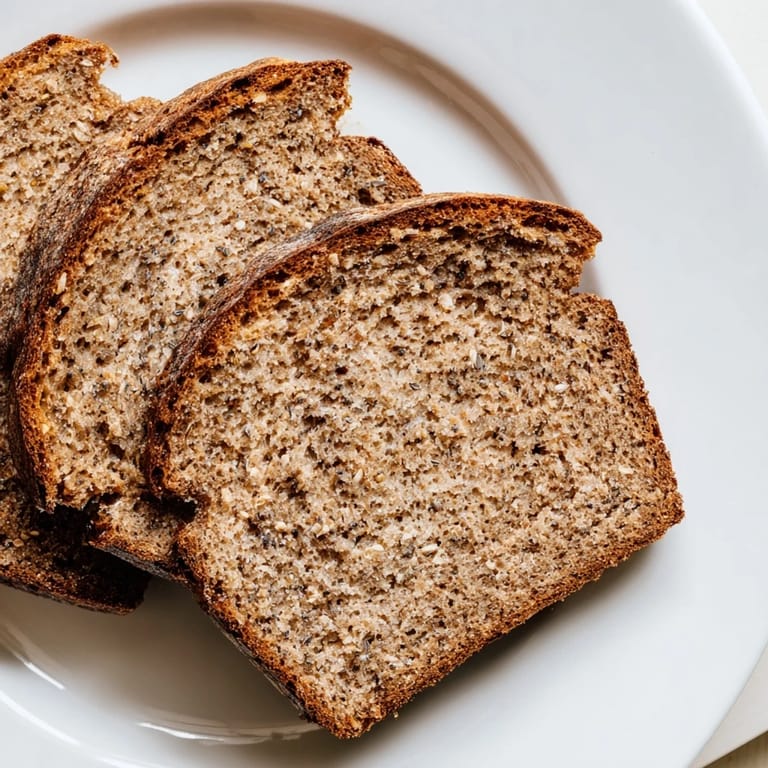
 This bread is worth making, even if you've never baked with rye before. Once you taste the difference between homemade rupjmaize and store-bought, you'll understand why my grandmother guarded her recipe so carefully.
Recipe FAQs
- → What gives the bread its distinctive flavor?
The combination of dark rye flour, molasses, and caraway seeds imparts a deep, slightly sweet, and aromatic flavor unique to Latvian bread.
- → How long should the dough rise for best results?
Allow the dough to rise slowly for 12 to 16 hours at room temperature to develop its characteristic dense crumb and rich flavor.
- → Can caraway seeds be toasted before use?
Yes, lightly toasting caraway seeds before adding them enhances their nutty aroma and flavor in the bread.
- → What is the ideal baking temperature and time?
Bake the loaf at 220°C (425°F) for 45 to 50 minutes until the crust is deeply browned and the bottom sounds hollow when tapped.
- → How should the bread be stored and served?
Cool completely before slicing. The bread freezes well when sliced, and slices can be toasted later for best texture and flavor.
- → What ingredients contribute to the bread’s moist crumb?
The long fermentation combined with the molasses and rye flour creates a moist, aromatic interior typical of this bread.