 Save It
 A friend handed me a cup of hojicha flat white on a grey afternoon, and I immediately understood why this drink had become her morning ritual. The aroma alone—toasted, warm, almost nutty—made me pause before the first sip, as if I was about to taste something more deliberate than coffee. What struck me most was how the roasted tea notes softened beneath that silky microfoam, creating a comfort that felt both unfamiliar and somehow nostalgic. I went home and recreated it three times that week, each attempt teaching me something new about the balance between strength and sweetness.
I made this for my partner one Saturday when he was stressed about work, and watching him close his eyes after that first sip told me everything. He described it as tasting like autumn in a cup, which sounds poetic but somehow captures exactly what hojicha does—it wraps around you rather than jolts you awake. Since then, this drink has shown up on mornings when we need grounding, afternoons when coffee feels too heavy, and evenings when we're still craving something warm but want to sleep.
Ingredients
- Hojicha loose leaf tea or tea bags: This roasted green tea is where the magic lives—it's toasted until nutty and caramel-like, which is why it feels more complex than regular tea.
- Hot water at 90°C (195°F): Too boiling and you scald the delicate roasted flavors; too cool and the tea never fully opens up.
- Whole milk or oat milk: Whole milk froths into that dense, glossy microfoam that makes this feel luxurious, but oat milk actually creates a surprisingly creamy alternative if you're avoiding dairy.
- Sweetener (optional): Honey and syrup dissolve more gracefully than sugar, though honestly the hojicha itself carries enough subtle sweetness that you might skip this entirely.
Tired of Takeout? 🥡
Get 10 meals you can make faster than delivery arrives. Seriously.
One email. No spam. Unsubscribe anytime.
Instructions
- Brew your hojicha concentrate:
- Steep the loose leaves or tea bags in hot water for 3 to 4 minutes—you'll see the water turn a rich amber-brown and smell that distinctive toasted aroma fill your kitchen. If you let it go longer than 4 minutes, the tea can become slightly bitter, so set a quiet timer and trust it.
- Heat and froth the milk:
- Pour the milk into a small saucepan and warm it until small bubbles form around the edges and steam rises, but before it starts boiling furiously. Using a frother or steam wand, create that silky microfoam by angling the wand just below the surface—you're aiming for tiny, invisible bubbles that pour smoothly, not chunky foam.
- Prepare your cup and base:
- Rinse a mug with hot water to warm it, then pour in your strained hojicha concentrate. Stir in your chosen sweetener now while the tea is hot, so it dissolves completely and evenly.
- Pour and blend:
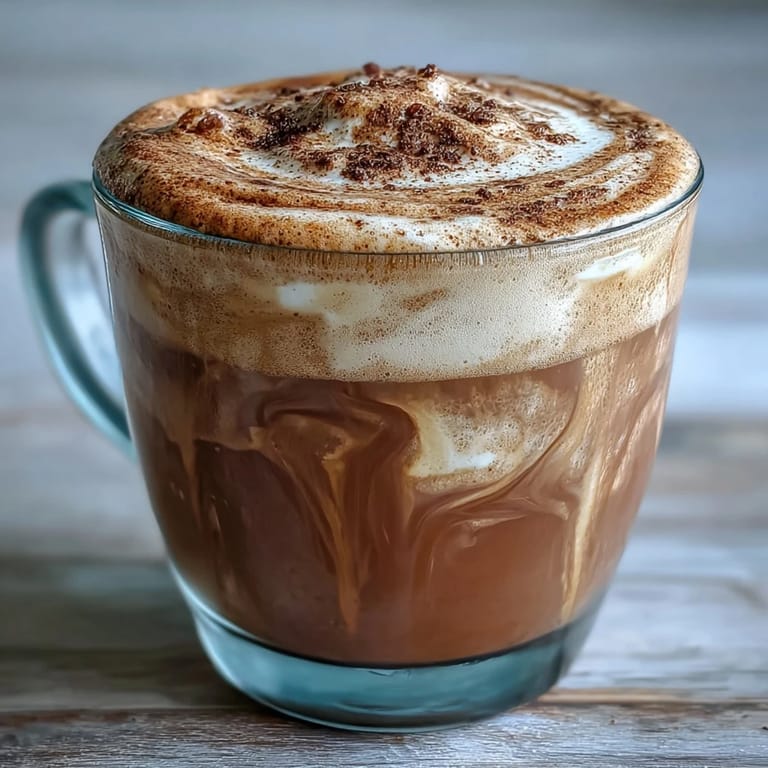
- Slowly pour the microfoamed milk into the hojicha, starting from a slight height and lowering the pitcher as the cup fills—this technique creates that beautiful blend where the tea and milk swirl together rather than separate. Aim for a creamy top with a thin layer of foam.
- Serve and savor:
- Drink it immediately while everything is at its warmest and the microfoam is still at its silkiest.
 Save It
 My favorite moment with this drink happened at a small café in Tokyo, where the barista spent five minutes teaching me to listen for the sound of milk frothing correctly—a gentle, almost whispering hiss rather than an aggressive screech. That quiet lesson transformed how I make this at home, and now every time I froth milk, I'm thinking of her patience and the care that goes into something this simple.
Mastering the Microfoam
The difference between a forgettable milk drink and a genuinely silky flat white comes down to technique, and honestly, this took me several attempts to understand. You're not making whipped cream or bubble foam—you're creating millions of tiny air bubbles suspended in warm milk, which requires the right angle, depth, and listening to what the milk tells you. Once you nail it, you'll hear that soft, steady hiss and feel the pitcher getting warm in your hands, and suddenly the whole drink comes together in a way that feels intentional.
Hojicha Beyond the Cup
Before I started making this drink regularly, I didn't understand why hojicha had gained such a devoted following in specialty coffee shops and tea bars. The roasting process transforms green tea into something entirely different—deeper, warmer, less grassy—and it does something unexpected to your palate, leaving a pleasant, almost caramel-like aftertaste that lingers without being cloying. It's the kind of tea that makes you want to sit with it rather than rush through it.
Customizing Your Hojicha Flat White
Once you've made this a few times and understand how the components work together, you can start playing. I've experimented with slightly longer steeps when I want more boldness, oat milk when I want earthiness, and even a touch of vanilla syrup when I'm in the mood for something sweeter. The beauty of this drink is that it's forgiving enough to adapt without losing its essential character.
- A light dusting of hojicha powder or cinnamon on top adds visual interest and a gentle reminder of what you're about to taste.
- If you only have regular green tea, try roasting loose leaves in a dry pan over low heat for a few minutes to approximate that toasted flavor.
- Make a larger batch of hojicha concentrate in the morning and refrigerate it—you can warm it up for an afternoon version whenever you need that comfort.
 Save It
 This hojicha flat white has quietly become the drink I reach for when I want to feel present, whether I'm sitting alone with my thoughts or sharing a quiet morning with someone I care about. There's something deeply settling about it.
Recipe FAQs
- → What does hojicha taste like?
Hojicha features a distinctive roasted, nutty flavor with toasty undertones and low caffeine. The roasting process removes bitterness, resulting in a smooth, mellow taste that pairs beautifully with creamy milk.
- → Is hojicha flat white caffeinated?
Yes, hojicha contains caffeine but significantly less than regular green tea or coffee. The roasting process reduces caffeine content, making this beverage suitable for afternoon consumption without affecting sleep.
- → What milk works best for hojicha flat white?
Whole milk creates the richest microfoam, but oat milk performs exceptionally well as a dairy-free alternative, producing creamy texture and complementing the nutty notes. Almond and soy milk also work but may yield lighter foam.
- → Can I make hojicha flat white without a frother?
Absolutely. Heat milk in a saucepan until steaming, then vigorously shake in a sealed jar for 30-60 seconds to create foam. Alternatively, whisk vigorously while heating or use a handheld blender for similar microfoam results.
- → How do I adjust the strength of hojicha flavor?
For a bolder taste, increase tea amount to 3 teaspoons or steep longer up to 5 minutes. For lighter flavor, use less tea or reduce steeping time. The concentrate can also be diluted with additional hot water before adding milk.
- → What's the difference between hojicha flat white and hojicha latte?
A flat white features a higher ratio of espresso-like hojicha concentrate to milk with finer, velvety microfoam. A latte typically has more milk and lighter foam. The flat white delivers more intense tea flavor while maintaining creamy texture.