 Save It
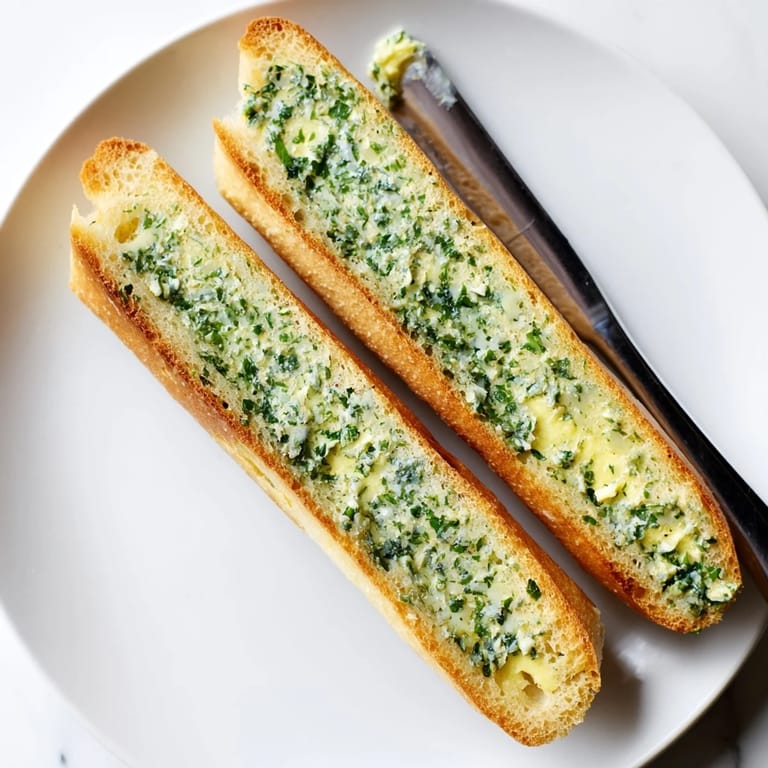
 There's something magical about the moment butter hits warm toast—the way it starts to melt before you've even finished spreading, filling the kitchen with that unmistakable aroma of butter and herbs. I discovered this version of herb butter toast during a lazy Sunday brunch with friends, when I realized that the simplest combinations often leave the deepest impression. What started as toast became a conversation starter, with everyone hovering around the plate asking what made it taste so good.
I remember standing in my kitchen one evening, the sun hitting the window just right, when my neighbor stopped by and caught the smell. He stayed for three pieces, and I caught myself making a third batch because I'd gotten lost in the rhythm of spreading and toasting. That's when I knew this was the kind of recipe worth keeping close.
Ingredients
- Crusty artisan bread: Sourdough or baguette gives you that contrast between crispy exterior and tender crumb that makes every bite satisfying.
- Unsalted butter: Softened butter is non-negotiable here—it needs to blend smoothly with the herbs without any resistance.
- Fresh parsley: This is your base green note, mild enough to let the other herbs shine.
- Fresh chives: They add a subtle onion whisper that makes people wonder what the secret ingredient is.
- Fresh thyme: Just a teaspoon goes a long way, giving earthiness without overpowering.
- Garlic clove: One minced clove infuses everything with warmth—more and you've crossed into garlic bread territory.
- Lemon zest: A half teaspoon brightens the whole thing, cutting through the richness with just enough citrus.
- Black pepper and fine sea salt: These balance the butter and herbs, making flavors pop rather than feel heavy.
- Flaky sea salt: The finishing touch that catches on your teeth for a pleasant salt burst.
Tired of Takeout? 🥡
Get 10 meals you can make faster than delivery arrives. Seriously.
One email. No spam. Unsubscribe anytime.
Instructions
- Get your butter ready:
- Soften butter to room temperature, then combine it in a bowl with chopped parsley, chives, thyme, minced garlic, lemon zest, pepper, and fine sea salt. Stir until everything is evenly distributed and the mixture looks speckled with green.
- Toast the bread:
- Slice your crusty bread and place it on a baking sheet. Toast in a 200°C (400°F) oven or under a high broiler for 2 to 3 minutes, watching carefully so it becomes crisp and just golden at the edges without browning too much.
- Spread generously:
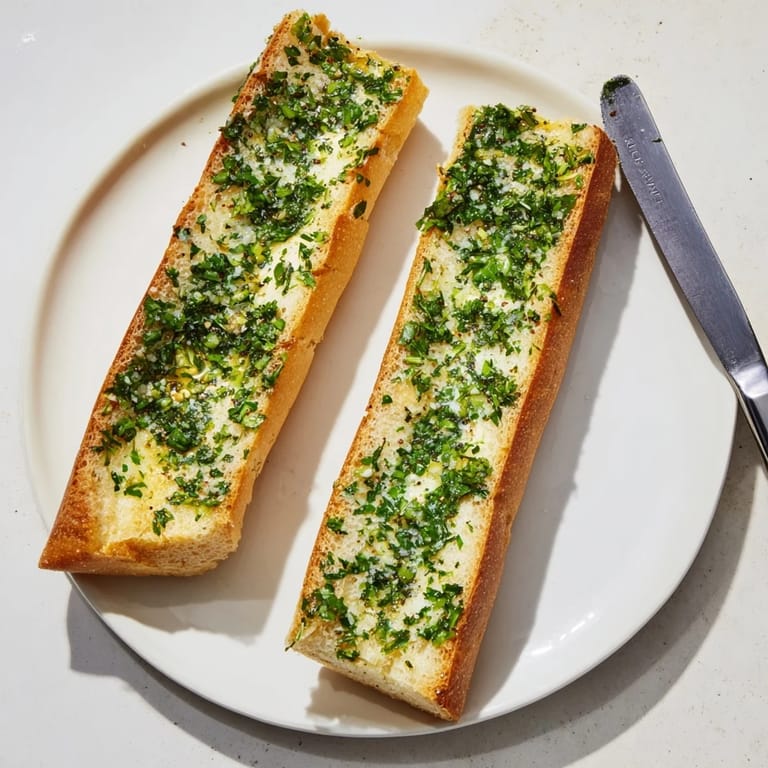
- While the toast is still warm, spread a thick layer of herb butter across each slice. Don't hold back—the warmth will start melting it immediately, and that's exactly what you want.
- Finish with heat and salt:
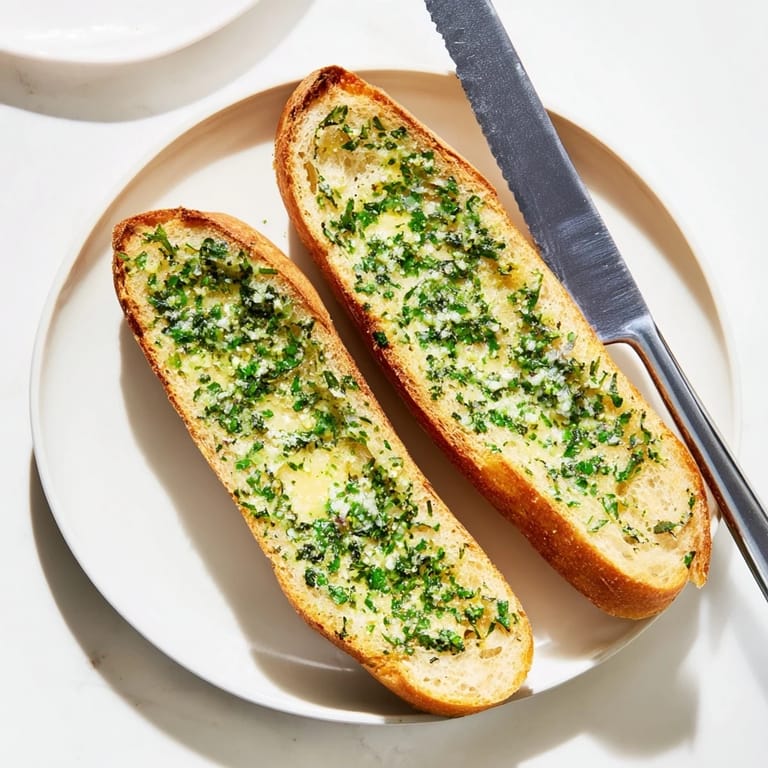
- Return the buttered toasts to the oven or broiler for 1 to 2 minutes until the butter is completely melted and the bread edges turn a deeper golden color. Sprinkle flaky salt over top and serve right away.
 Save It
 This dish became something more the first time I served it at a casual dinner and watched people slow down, actually taste what they were eating, and ask for the recipe. That's the moment I realized simple food done well doesn't need to be complicated to feel special.
The Magic of Compound Butter
Compound butter is one of those kitchen tricks that feels fancy but is genuinely foolproof. You're essentially just mixing softened butter with seasonings, but the results feel like you've spent hours in preparation. Once you understand this technique, you'll find yourself making it for everything—melting it over vegetables, fish, or even a steak. The key is keeping your butter soft enough to blend smoothly but cold enough that it doesn't separate once finished.
Bread Selection Matters More Than You Think
The type of bread you choose determines whether this becomes transcendent or just pretty good. Soft white bread will turn to mush; thick-sliced, sturdy artisan bread with an actual crust creates structure that holds the butter and toasting perfectly. Sourdough brings tang, baguette brings elegance, and focaccia brings richness. I've learned to buy bread from a bakery specifically for this recipe because it transforms the whole experience.
Variations and Serving Ideas
Once you've mastered the basic version, you have permission to play. Add a pinch of chili flakes if you want heat, swap herbs based on what's growing in your garden or what you love eating, or mix in a tiny amount of anchovy paste if you want umami depth. Serve it alongside soup, offer it as an appetizer at dinner parties, or eat it as an afternoon snack with a glass of wine. This is the kind of recipe that adapts to your moment.
- Dill, tarragon, or basil work beautifully as herb substitutions depending on your mood.
- A pinch of crushed red chili flakes adds unexpected warmth without heat.
- Pairs perfectly with a crisp white wine, light soup, or simply your own company.
 Save It
 This recipe reminds me that the best food doesn't need to be fussy to bring people together. It just needs to be made with good ingredients and served with genuine warmth.
Recipe FAQs
- → What type of bread works best for this dish?
Crusty artisan breads like sourdough or baguette are ideal for a crunchy texture and absorb the herb butter well.
- → How do I prepare the herb butter spread?
Mix softened unsalted butter with finely chopped fresh parsley, chives, thyme, minced garlic, lemon zest, black pepper, and fine sea salt until combined.
- → Can I customize the herbs used in the butter?
Yes, you can substitute parsley, chives, and thyme with other fresh herbs like dill, tarragon, or basil to suit your taste.
- → What is the best way to toast the bread slices?
Lightly toast the bread in the oven or under a broiler for 2–3 minutes until crisp and golden before spreading the herb butter.
- → How should I finish the toasts after applying the herb butter?
Return the toasts to the oven or broiler for 1–2 minutes to melt the butter and create golden edges, then sprinkle with flaky sea salt.
- → Are there any suggested pairings for this snack?
This dish pairs beautifully with a crisp white wine or a light, refreshing soup for a balanced meal experience.