 Save It
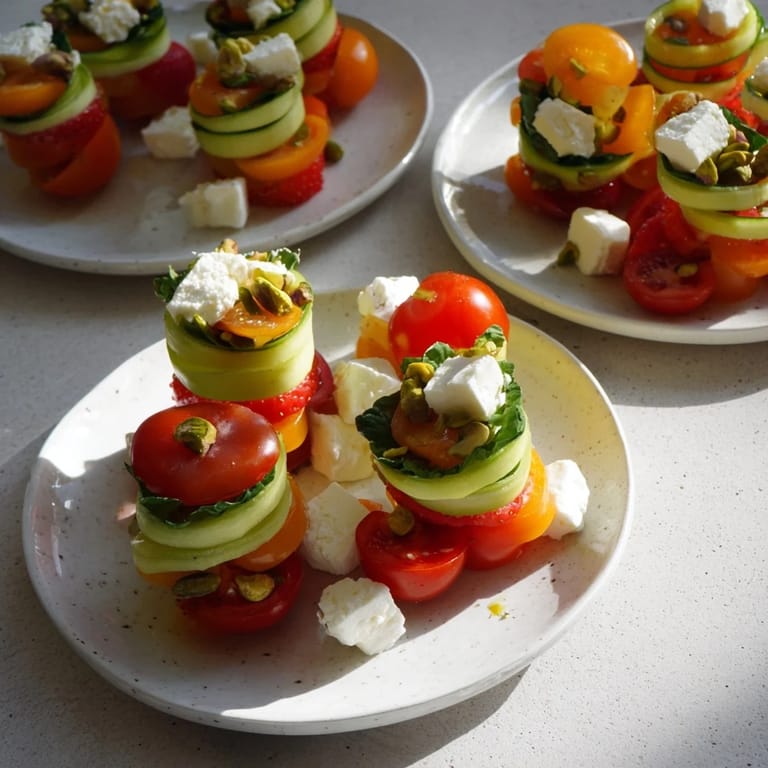
 The first time I set out to create something that felt more like art than appetizer, I was hosting a dinner party and wanted everyone to feel the moment they walked in. I'd seen these tiered displays at a restaurant and thought, why not try it at home? What started as arranging vegetables on a board became this magical moment where guests weren't just eating, they were exploring. The Hanging Gardens came alive that evening, and I realized the best dishes are the ones that make people pause and smile before they even take a bite.
I remember my neighbor peeking over at my platter during a casual get-together and asking if I'd hired a caterer. When I told her I'd arranged it myself that morning, she wanted to know my secret immediately. It wasn't about fancy technique or rare ingredients, just the simple act of thinking vertically and letting colors play off each other. That conversation changed how I thought about entertaining, honestly.
Ingredients
- Cherry tomatoes, halved: Look for ones that are still slightly firm and vibrant red; they hold their shape beautifully when displayed and burst with sweetness when you bite them.
- Baby carrots, trimmed: The small ones have a natural sweetness that raw carrot lovers appreciate, and their size is perfect for picking.
- Cucumber slices: Cut them on a slight angle for visual interest, and pat them dry so they don't weep and dampen your display.
- Radishes, thinly sliced: These add a peppery crunch and jewel-like color; thin slicing makes them delicate and elegant.
- Snap peas: Leave them whole or split down the middle if you want them to open like little boats.
- Endive leaves: These are your edible spoons for the dips, and they add a sophisticated bitter note that balances the sweetness.
- Seedless grapes: A surprise pop of fruit sweetness that nobody expects but everyone loves on a savory board.
- Strawberries, hulled and halved: The only fruit sweetness alongside grapes, they add color contrast and a subtle tartness.
- Goat cheese, shaped into small balls: Creamy, tangy, and a textural contrast; rolling them in a tiny pinch of salt and pepper before serving changes everything.
- Feta, cubed: The saltiness makes it an anchor flavor that keeps people coming back for more vegetables.
- Hummus: A creamy base for dipping that lets other flavors shine; feel free to use store-bought to save time.
- Tzatziki: Cool, herbaceous, and the perfect complement to vegetables; the garlic in this one matters, so don't skip it.
- Pesto: Rich and aromatic, it's the flavor backbone that ties everything together; homemade tastes better but jarred works in a pinch.
- Toasted pistachios, chopped: Their buttery crunch adds texture and a slight saltiness that elevates the whole display.
- Fresh basil leaves: Scattered over the top, they add freshness and a subtle anise note that makes people wonder what that flavor is.
- Edible flowers: Completely optional but they transform the whole thing from appetizer to restaurant-quality presentation in seconds.
- Extra virgin olive oil: A final drizzle pulls everything together and adds richness without overwhelming the fresh vegetables.
- Sea salt and freshly ground black pepper: Season as you build, tasting as you go so flavors balance naturally.
Tired of Takeout? 🥡
Get 10 meals you can make faster than delivery arrives. Seriously.
One email. No spam. Unsubscribe anytime.
Instructions
- Prepare everything first:
- Wash all vegetables and fruits, then trim and slice them. Dry everything thoroughly on paper towels because moisture is the enemy of a beautiful display. This step takes the longest, so give yourself time and maybe pour a drink while you work.
- Shape the cheeses:
- Roll goat cheese between your palms into small balls about the size of cherries. For feta, just cut it into generous cubes and don't worry about perfection. If the goat cheese is too warm and won't hold, chill it for 10 minutes.
- Build your landscape:
- Arrange mini-stands and bowls at different heights across your platter or board, creating a sense of movement and depth. Step back and look at it from where your guests will see it, not from directly above.
- Arrange with abundance:
- Start with the dips in their bowls, then artfully scatter vegetables, fruits, and cheeses around them, letting things overflow and create a lush garden effect. Don't arrange in straight lines; nature is chaotic and beautiful, and your platter should feel the same way.
- Fill the dip bowls:
- Spoon hummus, tzatziki, and pesto into small bowls and nestle them among the ingredients. Use the back of a spoon to make a little swirl in each one for visual appeal and to show guests where to dip.
- Add the finishing touches:
- Scatter toasted pistachios and fresh basil leaves across the display, then add edible flowers if using. These garnishes are what catch the eye and make people lean in.
- Final drizzle and season:
- Lightly drizzle olive oil over the whole display, focusing on the cheese and vegetables rather than the dips. Finish with a pinch of sea salt and freshly ground black pepper, tasting as you go so nothing becomes oversalted.
- Serve with intention:
- Bring it to the table and let people explore, picking whatever catches their eye and dipping as they wish. The beauty is in the freedom of it.
 Save It
 What I love most about this dish is watching someone's face when they realize they can just pick and eat, that there's no formal plate, no structure beyond beauty. It transformed how my friends and I entertain, shifting from stressful cooking to joyful gathering. Now when I make it, I'm not thinking about appetizers; I'm thinking about the moment itself.
Choosing Your Vegetables
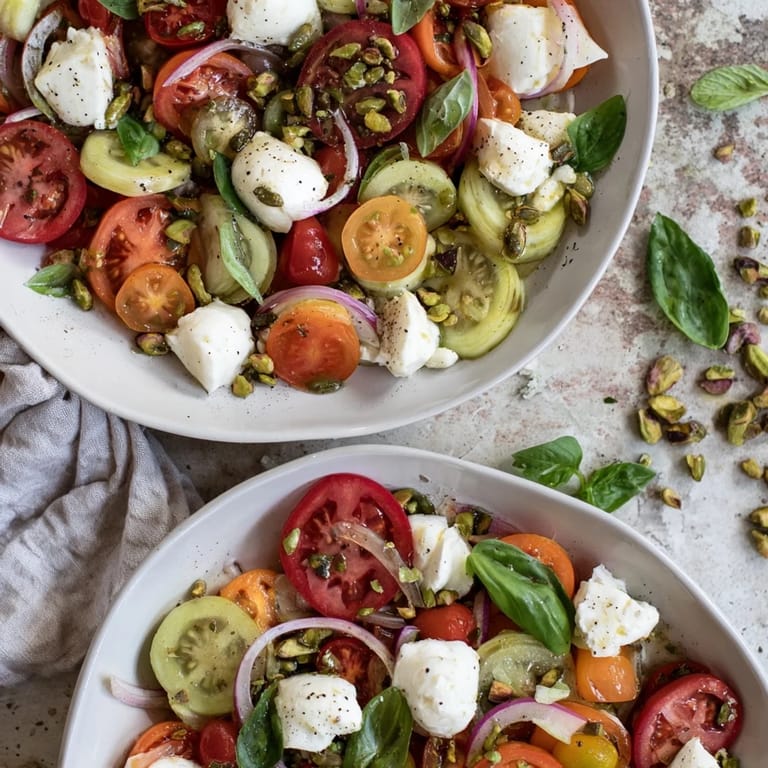
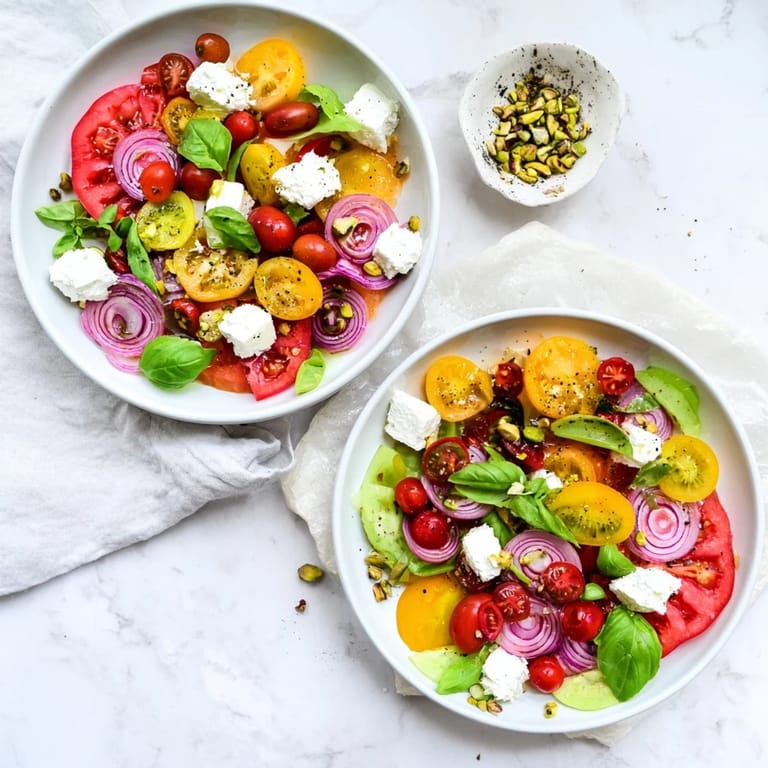
The vegetables you choose are your palette, and the season should guide you. In summer, I lean into heirloom tomatoes and crisp cucumbers; in winter, I add roasted beets and pomegranate seeds for color and substance. The key is selecting vegetables that offer both visual contrast and flavor variety so no two bites feel the same.
The Art of Arrangement
Think of this like you're painting a picture where the viewer is also the participant. Group similar colors together so they pop against each other, and vary heights so the eye travels across the whole display. I always place the brightest, most photogenic items where guests will see them first, then let discovery lead them to the rest. It's a balance between planning and letting it happen organically.
Making It Ahead and Serving
You can prepare vegetables and cheeses several hours ahead, storing them in airtight containers in the fridge. The magic happens in the final 10 minutes when you assemble everything and let it breathe on the table. If you're making this for a long event, keep the assembled platter covered lightly with plastic wrap until guests arrive, then uncover it with a little flourish.
- Fresh herbs and edible flowers should be added no more than 30 minutes before serving so they stay vibrant.
- Keep backup dips chilled in the kitchen so you can refresh the bowls as people dip throughout the evening.
- Don't be afraid to rearrange as the platter gets picked at; part of the charm is watching it evolve as people eat.
 Save It
 The Hanging Gardens isn't just an appetizer; it's an invitation to slow down and enjoy good food in good company. Make it your own, swap in what you love, and remember that the best part is always the people gathered around it.
Recipe FAQs
- → What vegetables are used in this appetizer?
Cherry tomatoes, baby carrots, cucumber slices, radishes, snap peas, and endive leaves create a crisp and colorful mix.
- → What cheeses complement the arrangement?
Soft goat cheese formed into small balls and cubed feta add creamy, tangy notes to the display.
- → How are the dips served alongside?
Hummus, tzatziki, and pesto are placed in small bowls among the stands for easy dipping and added flavor.
- → Can this platter be customized for different diets?
Yes, seasonal produce can replace current ingredients and cured meats can be added for a non-vegetarian version.
- → What garnishes enhance the presentation?
Toasted pistachios, fresh basil leaves, and optional edible flowers introduce texture, aroma, and vibrant color.
- → How is the platter assembled for best effect?
Mini-stands and bowls are arranged at varying heights on a large platter, allowing ingredients to overflow for a lush garden effect.