 Save It
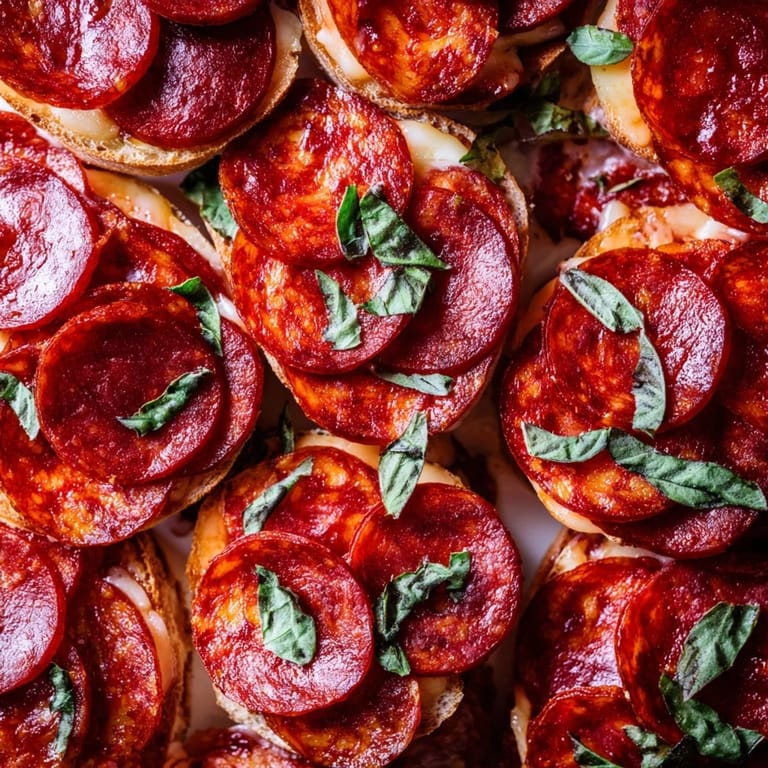
 The Dragon Scale came to life one Friday evening when I was scrambling to impress unexpected dinner guests and had maybe thirty minutes to pull something together. I opened my fridge and found exactly three things: good cheese, quality pepperoni, and a half-eaten baguette. Instead of panicking, I started layering them in overlapping patterns on a cutting board, and something magical happened—they genuinely looked like dragon scales, shimmering and fierce. My guests arrived to find this conversation-starting platter before I'd even poured wine, and suddenly I wasn't stressed anymore; I was proudly serving something that looked far more complicated than it actually was.
I served this at a small gathering last spring, and what surprised me most wasn't the compliments—though there were plenty—but how people gravitated to it first. Someone actually stopped mid-conversation to ask for the recipe, which honestly had never happened to me before. That moment made me realize the power of taking a simple idea seriously, arranging it with intention, and letting the beauty of good ingredients speak for itself.
Ingredients
- Thinly sliced pepperoni (150g): The key is getting it paper-thin so it crisps beautifully at the edges without becoming hard; ask the deli counter to slice it for you if your knife skills aren't sharp enough.
- Semi-firm cheese, sliced thin (150g): Provolone gives the most elegant look with its pale color, but mozzarella melts softer and cheddar adds sharpness—I've learned each cheese creates a different feeling on the palate.
- Baguette slices or gluten-free crackers (1 baguette or equivalent): This is your canvas; use day-old bread for structure since fresh bread can get soggy from the toppings.
- Fresh basil or parsley (optional): A small handful of green brings the whole thing together visually and adds a fresh note that cuts through the richness.
Tired of Takeout? 🥡
Get 10 meals you can make faster than delivery arrives. Seriously.
One email. No spam. Unsubscribe anytime.
Instructions
- Get your base ready:
- Arrange your baguette slices or crackers on a platter or baking sheet, leaving a tiny bit of space between each one so you can see the work you're about to create. If you're using fresh bread, give it a minute in a warm oven first to firm it up slightly.
- Start the first scale:
- Place a thin semicircle of cheese with its flat edge aligned to the edge of your base, creating a clean line. Think of this as the anchor for everything else—get this right and the rest feels effortless.
- Layer on the pepperoni:
- Take a slice of pepperoni and lay it over the rounded edge of the cheese so it overlaps like a real scale would, slightly lifted and proud. The contrast of red against pale cheese is where the magic starts to show.
- Build the pattern:
- Continue alternating cheese and pepperoni, each piece overlapping the last by about a third of an inch, until your base is completely covered in this beautiful, layered texture. You'll fall into a rhythm after a few and it becomes meditative.
- Warm it through (optional):
- If you want melted cheese and slightly crisped pepperoni, slip everything into a 200°C (400°F) oven for just 5–7 minutes—watch carefully because the cheese softens quickly and pepperoni can go from crispy to burnt faster than you'd expect. If you like it room temperature, you can skip this step entirely and serve it straight from the platter.
- Finish with herbs:
- Right before serving, scatter a few fresh basil or parsley leaves across the top for color and a fresh brightness that feels intentional and finished.
 Save It
 There was an evening when my youngest watched me arrange these scales, completely mesmerized, and asked if dragons were real. I paused mid-layer and told her that in the kitchen, anything you can imagine and build is real enough. She helped me finish the last few pieces, and that platter became less about appetizers and more about the moment we shared making something neither of us had seen before.
The Art of Arrangement
What I've discovered over time is that the arrangement itself is the dish—the ingredients are humble and simple, but the care you take in layering them transforms the entire experience. Start at one end and let your hands find the rhythm; each scale should feel intentional but not stiff. The slight irregularities are what make it look alive rather than manufactured, so don't stress about perfection. After the third or fourth base, your hands know exactly how much overlap feels right, and from that point on you're just cooking on instinct.
Cheese Choices and Flavor Play
I've made this with at least five different cheeses now, and each one tells a slightly different story on the plate. Provolone keeps things elegant and mild, mozzarella becomes almost creamy when warmed, aged cheddar brings a sharpness that plays beautifully against salty pepperoni, and even a thin slice of fontina adds unexpected richness. The colors shift too—pale provolone looks almost subtle next to deep red pepperoni, while cheddar creates warmth and vibrancy. Start with what you love to eat on its own, because that's the best predictor of how it'll work here.
Making It Your Own
Once you understand the scale pattern, you can build this in countless directions without losing the magic. The structure stays the same, but the personality changes completely depending on what you layer.
- For vegetarian guests, grilled zucchini or roasted red pepper slices work beautifully in place of pepperoni, creating softer colors and a lighter feel.
- Skip the bread base entirely and arrange scales directly on a large platter for a more dramatic, modern presentation.
- Serve alongside a small bowl of marinara or pesto for dipping, which turns this from an appetizer into an interactive experience.
 Save It
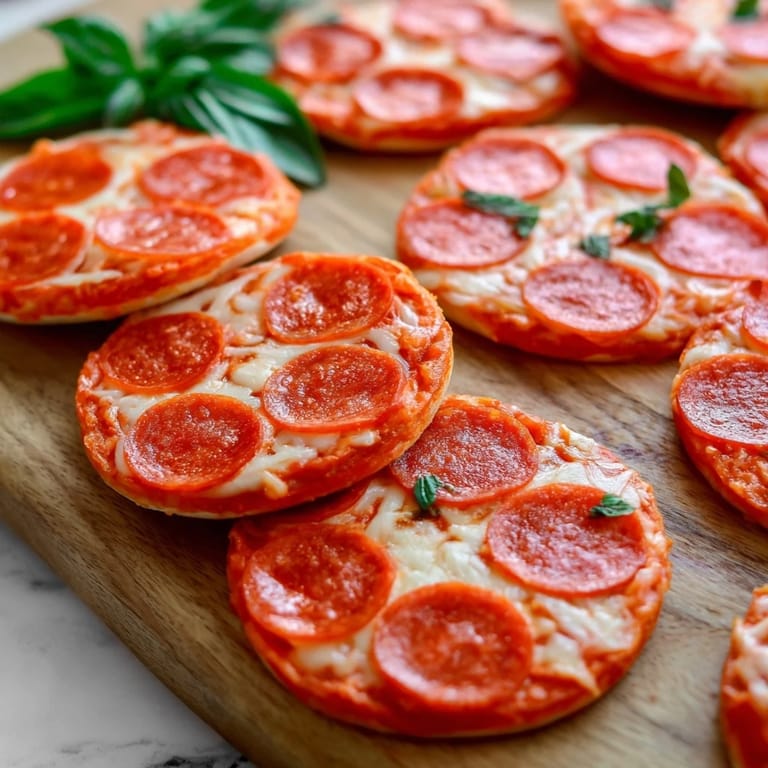
 The Dragon Scale reminds me that sometimes the best dishes aren't the ones with long ingredient lists or complicated techniques—they're the ones where you take time to make something ordinary look extraordinary. Once you've made this once, you'll find yourself reaching for it again whenever you need to impress someone or celebrate a moment without much fuss.
Recipe FAQs
- → How do I create the dragon scale pattern?
Arrange thin cheese slices in semi-circles on a base, then overlap pepperoni slices over the rounded edges. Repeat layering to mimic scales.
- → Can this appetizer be served warm?
Yes, bake the assembled pieces at 200°C (400°F) for 5-7 minutes until cheese melts and pepperoni crisps slightly.
- → What are good bases for this appetizer?
Baguette rounds or gluten-free crackers work well as bases, adding texture and supporting the scale layering.
- → How can I make a vegetarian version?
Swap pepperoni with grilled zucchini slices or roasted red pepper for a flavorful, meat-free alternative.
- → Which cheeses work best for layering?
Semi-firm cheeses like provolone, mozzarella, or cheddar sliced into thin rounds or half-moons are ideal for layering.