 Save It
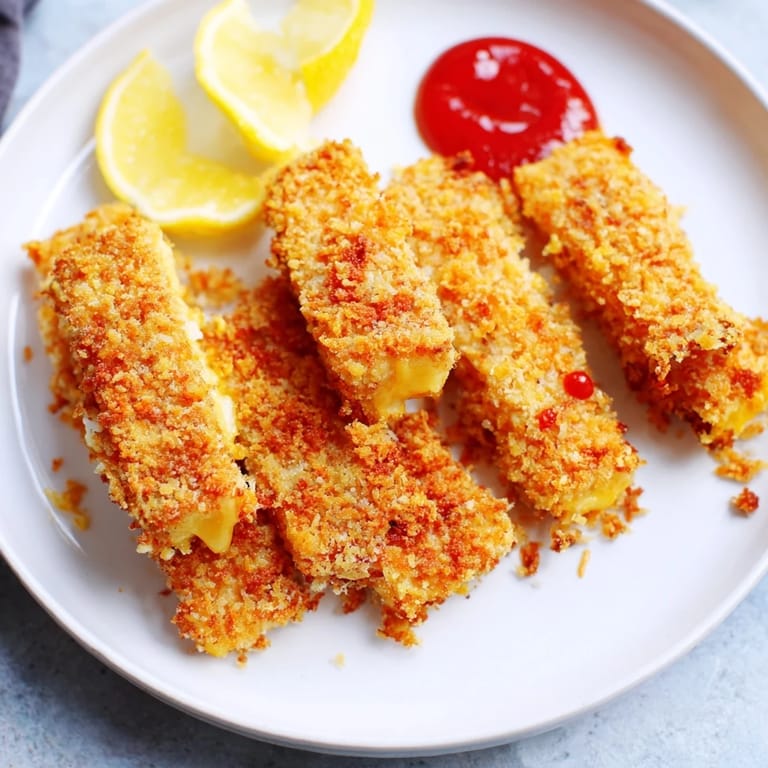
 The first time I encountered halloumi at a Mediterranean market, I watched a vendor casually fry thick slices in a cast iron pan, and the moment they hit the oil, something magical happened—a golden crust formed while the inside stayed gloriously squeaky and soft. That moment changed my entire approach to entertaining at home. Now, whenever friends gather, this is the dish that disappears fastest from the table, leaving everyone reaching for one more piece before they're all gone.
I remember bringing a batch to a potluck where someone else had made an elaborate dip situation, but within minutes, my humble fried cheese had won over the whole crowd—even the skeptics who thought frying cheese was excessive. My friend Sarah kept sneaking bites straight from the serving plate and admitted she'd never bothered trying halloumi before because she assumed it would just melt into a puddle. That's when I realized this dish deserves way more credit than it gets.
Ingredients
- Halloumi cheese (250 g): This is the star—look for the firm white blocks in the cheese section, and don't mistake it for feta, which would be a soggy disappointment. The high melting point is what makes this whole thing work.
- Panko breadcrumbs (60 g): These Japanese-style crumbs create that signature shatter and crunch that regular breadcrumbs just can't achieve, so don't skip this swap.
- All-purpose flour (40 g): The flour base helps the egg and crumbs stick, creating layers of texture that make each bite interesting.
- Eggs (2 large): Your glue between the flour and panko—beat them lightly so they're workable without getting too foamy.
- Black pepper and smoked paprika: Subtle seasonings that add warmth and depth without overpowering the cheese's natural salty richness.
- Lemon wedges and hot sauce: Acid and heat are your best friends here, cutting through the richness and bringing everything into balance.
- Neutral oil (250 ml): Sunflower or canola works perfectly for shallow frying—avoid olive oil, which would smoke and make everything taste bitter.
Tired of Takeout? 🥡
Get 10 meals you can make faster than delivery arrives. Seriously.
One email. No spam. Unsubscribe anytime.
Instructions
- Prep Your Halloumi:
- Pat the cheese dry with paper towels until there's no moisture clinging to the surface—this is how you avoid oil splattering and ensure the coating adheres properly. Slice into batons about 1 cm thick, which gives you the perfect ratio of crispy exterior to soft interior.
- Build Your Coating Station:
- Set up three shallow plates in assembly-line fashion: flour mixed with pepper and paprika, beaten eggs in the middle, and panko on the end. Having everything ready means you can work quickly and confidently without scrambling.
- Coat Each Piece:
- Dredge the halloumi in flour first, shake off the excess, then dip into the egg, letting it drip for a second, and finally press it gently into the panko until completely covered. Press with your fingers so the crumbs really stick—this is where the crunch comes from.
- Heat Your Oil:
- Pour the oil into a large frying pan and heat over medium-high until it shimmers and ripples—if you drop a tiny breadcrumb in and it immediately sizzles, you're ready. Too cool and the coating absorbs oil; too hot and the outside burns before the cheese softens.
- Fry in Batches:
- Place the halloumi pieces in the hot oil without crowding, giving each one space to brown without steaming. Fry for 2 to 3 minutes per side until the exterior is deep golden and crispy, resisting the urge to flip too early or fidget.
- Drain and Serve:
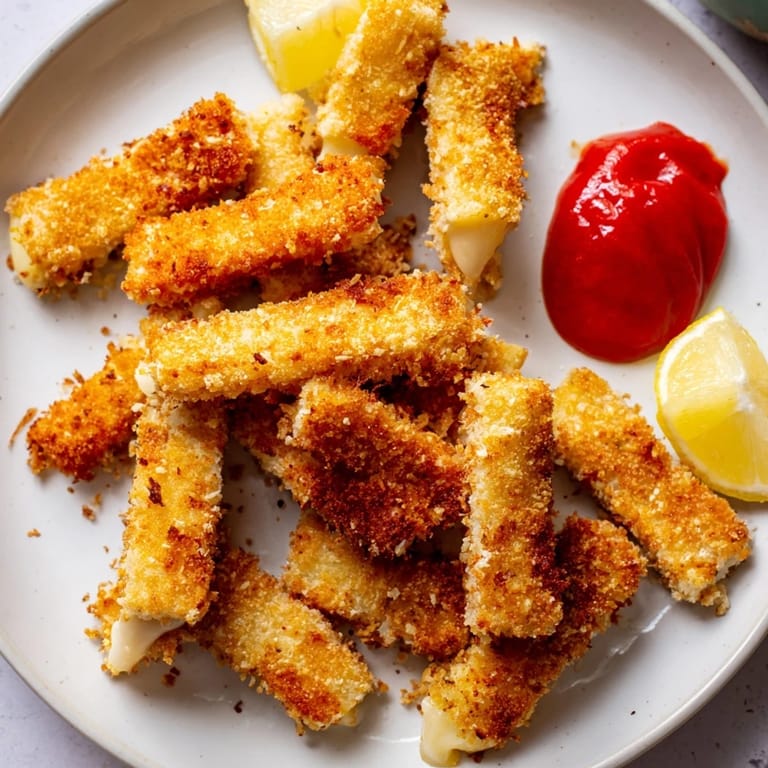
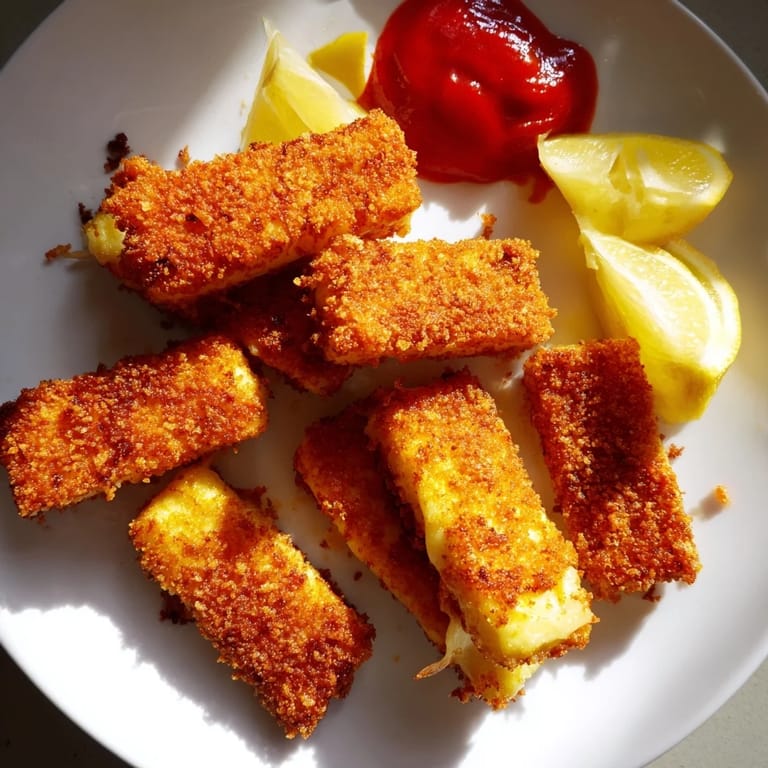
- Lift each piece out with a slotted spoon and rest on paper towels to absorb excess oil while they're still warm. Serve immediately with lemon wedges and hot sauce, watching people's faces light up when they bite into that contrast of textures.
 Save It
 There's a moment, maybe 30 seconds into frying, when the aroma suddenly shifts from neutral oil to toasted breadcrumb and warm cheese, and that's when you know you're about to create something special. It's one of those simple kitchen experiences that reminds me why I love cooking—when minimal ingredients and proper technique combine to make people genuinely happy.
The Oil Temperature Question
Temperature is honestly everything here, and it's the one thing that separates crispy-on-the-outside from greasy-throughout. I used to guess, which resulted in batches that were either pale and soggy or brown and tough. Once I started listening for the sizzle and watching for the oil to shimmer, everything changed—now I can almost hear when it's ready, and that confidence takes the guesswork out of entertaining.
Timing and Batch Management
Working in batches feels counterintuitive when you're hungry and want everything hot at once, but crowding the pan drops the oil temperature and turns the pieces into oil-logged disappointments. I learned to set a timer for each batch and stay present while they cook, which means the whole process only takes about 10 minutes for a full serving.
Variations and Serving Ideas
Once you've mastered the basic version, this dish becomes a canvas for experimentation and personal preference. Try adding dried oregano or chili flakes to the panko for a Mediterranean kick, or serve alongside a thick yogurt dip mixed with garlic and fresh herbs instead of hot sauce for something cooling and creamy. Some nights I plate it with a simple salad; other times it's the main event at a casual gathering where everyone crowds around the platter.
- Dust the panko with a pinch of chili flakes or dried oregano before coating for built-in flavor without extra work.
- Make a cooling yogurt dip by mixing Greek yogurt with minced garlic, lemon zest, and fresh dill to balance the richness.
- Serve on a bed of peppery arugula with fresh tomatoes for a light meal that still feels indulgent.
 Save It
 This dish has become my secret weapon for entertaining because it's impressive without being fussy, and it brings people together in that immediate, uncomplicated way that the best food does. Every time someone takes a bite and their eyes light up at that contrast of textures, I remember why simple, well-executed cooking is sometimes the best gift you can offer.
Recipe FAQs
- → What type of cheese is used for the coating?
Halloumi cheese is used, known for its firm texture and ability to hold shape when fried.
- → How do the panko breadcrumbs affect the texture?
Panko breadcrumbs provide a light, crispy coating that creates a crunchy exterior on the fried halloumi.
- → Can I add spices to the coating?
Yes, smoked paprika and freshly ground black pepper are included, and optional dried oregano or chili flakes can enhance flavor.
- → What is the best oil for frying?
Neutral oils with high smoke points like sunflower or canola oil are ideal for shallow frying halloumi pieces.
- → How should the halloumi be served?
Serve hot with fresh lemon wedges and a spicy sauce, or try yogurt dip or garlic aioli for a milder option.
- → How do I ensure the coating sticks well?
Dip the halloumi slices first in seasoned flour, then in beaten egg, and finally coat thoroughly with panko, pressing gently to adhere.