 Save It
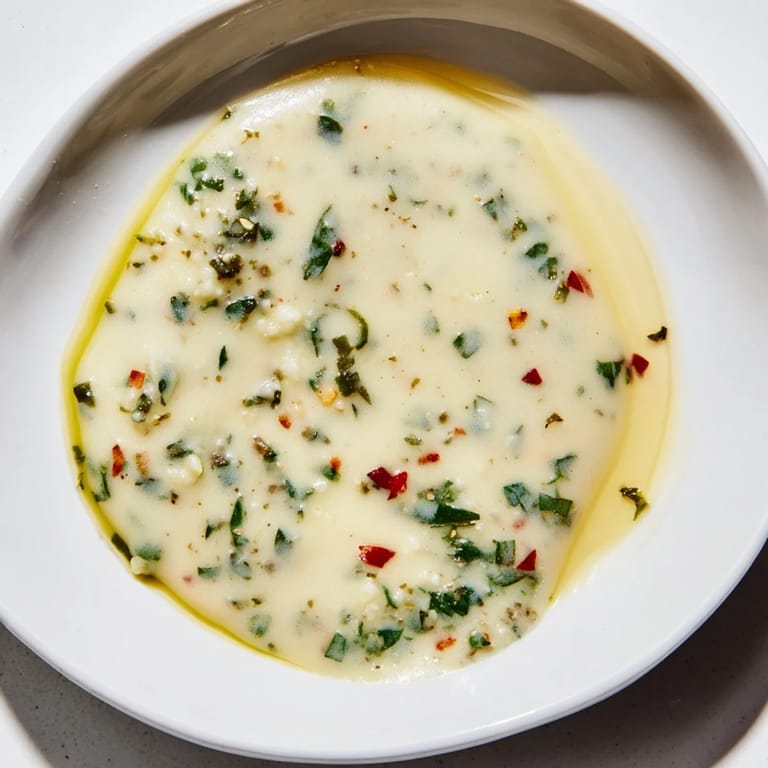
 I discovered cowboy butter sauce by accident one summer when a steak dinner needed saving. My friend brought over thick ribeyes, and I had nothing but butter, lemon, and whatever herbs were left in my garden. Twenty minutes later, we were drizzling this golden, peppery sauce over everything—and suddenly I understood why ranch hands probably didn't eat plain meat either.
The first time I made this for a weeknight dinner, my partner actually put down their phone mid-meal to ask what I'd done differently. Nothing fancy, just this sauce. That's when I realized how much personality a little spice and fresh herbs could bring to something so simple.
Ingredients
- Unsalted butter, 115 g (1/2 cup): Use real butter, not margarine—it's the foundation, and you'll taste the difference when it foams and turns golden.
- Garlic, 2 cloves, finely minced: Mince it small so it distributes evenly and won't overpower; big chunks turn bitter.
- Fresh parsley, 2 tablespoons chopped: Add at the end to keep its bright green color and fresh bite alive.
- Fresh chives, 1 tablespoon chopped: Their mild onion flavor is subtle and elegant—don't skip them.
- Fresh thyme leaves, 1 tablespoon (or 1 teaspoon dried): If using dried, crumble it between your fingers first to wake up the flavor.
- Dijon mustard, 1 tablespoon: This is the secret ingredient that adds depth without making it taste mustardy—trust it.
- Lemon zest, 1 teaspoon: Use a microplane for the finest zest; it catches all the aromatic oils.
- Fresh lemon juice, 2 tablespoons: Squeeze it fresh—bottled juice tastes flat and one-dimensional here.
- Smoked paprika, 1/2 teaspoon: It gives that warm, slightly woody flavor that makes you feel like you're cooking over a campfire.
- Crushed red pepper flakes, 1/2 teaspoon: This is where the kick comes from; feel free to dial it down if you prefer gentler heat.
- Black pepper, 1/2 teaspoon freshly ground: Grind it fresh right before you start cooking so you catch all the volatile oils.
- Kosher salt, 1/2 teaspoon: Taste as you go and adjust; you'll need less if your butter or mustard is already salty.
- Cayenne pepper, 1/4 teaspoon (optional): Add this only if you want a serious heat punch that lingers.
Tired of Takeout? 🥡
Get 10 meals you can make faster than delivery arrives. Seriously.
One email. No spam. Unsubscribe anytime.
Instructions
- Melt the butter gently:
- Pour your butter into a small saucepan and set it over medium-low heat. Watch it closely—you want it foamy and golden, not browned or bubbling violently. The slower the melt, the cleaner the flavor.
- Welcome the garlic:
- Once the butter is foaming, add your minced garlic and let it sizzle for just 30 seconds. You'll smell it immediately—that's your cue to move on before it browns and turns bitter.
- Build the flavor base:
- Stir in the Dijon mustard, lemon zest, lemon juice, smoked paprika, red pepper flakes, black pepper, salt, and cayenne. Mix everything together so there are no streaks of mustard hiding in the corners.
- Let it kiss the heat:
- Keep the sauce at a gentle simmer for 1 to 2 minutes, stirring constantly. You're letting the flavors mingle and the acidity round out—not cooking it down or reducing it.
- Finish with fresh herbs:
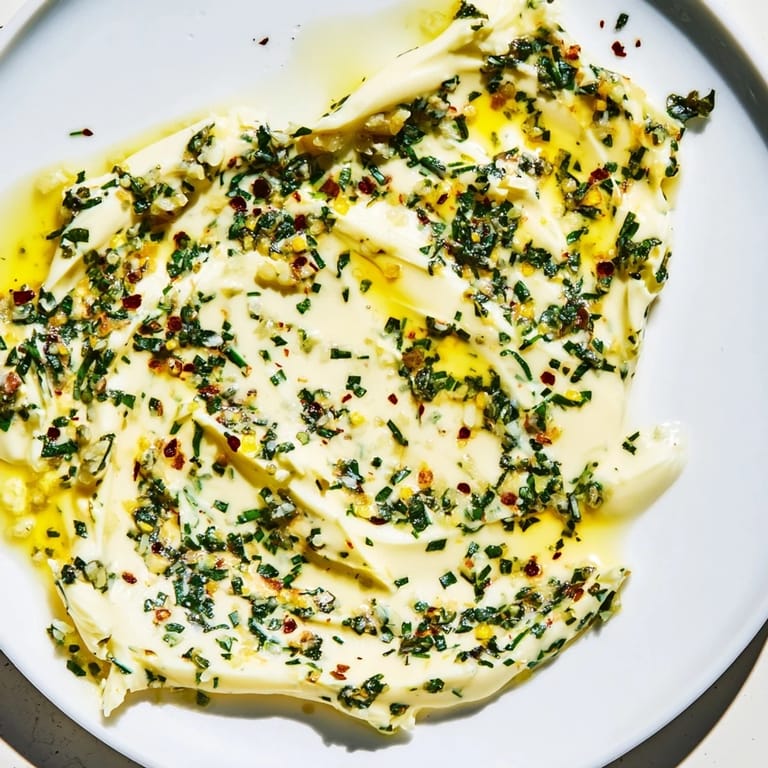
- Pull the pan off the heat and fold in your parsley, chives, and thyme. The residual heat will soften them slightly while keeping their fresh color and bright taste.
- Serve immediately:
- Pour it over a hot steak, grilled shrimp, roasted vegetables, or a piece of crusty bread while it's still warm and the herbs are still vibrant. Or let it cool slightly and use it as a dipping sauce.
 Save It
 I'll never forget the first time someone asked if I'd made this sauce from scratch, like it was some secret family recipe passed down through generations. It was humbling in the best way—a 15-minute sauce that tastes like you've been cooking it all day.
What Makes This Sauce Different
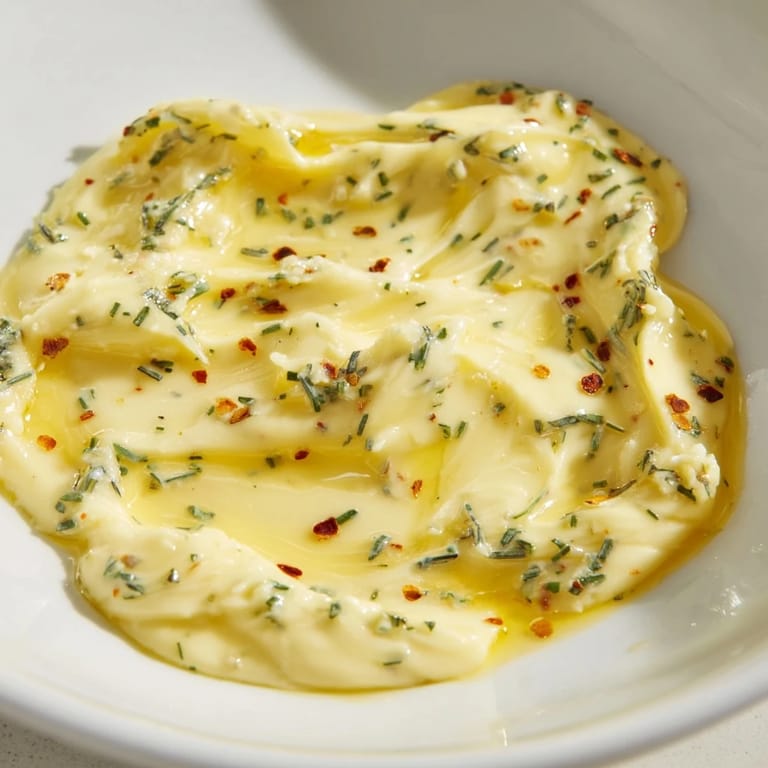
Most compound butters are heavy and formal, but this one has personality. The smoked paprika and cayenne give it a campfire warmth, while the Dijon mustard adds a subtle tang that keeps it from feeling one-note. It's bold without being aggressive, elegant without trying too hard.
The Secret to Using It
This sauce shines brightest when served hot, draped over something freshly cooked. The butter melts into every crevice of a steak, the herbs cling to shrimp, and the spices bloom when they hit the heat of whatever you're topping. Room-temperature food dulls the effect, so time your plating carefully.
Kitchen Moments Worth Remembering
I've made this sauce for weeknight dinners, backyard barbecues, and even a last-minute dinner party when I realized I had no appetizers. Each time, people slow down and pay attention to what they're eating. It's the kind of sauce that reminds you that cooking doesn't have to be complicated to be memorable.
- Keep your herbs prepped and ready before the butter even hits the pan—timing matters.
- Taste as you build the flavors and adjust the salt and spice to your preference.
- If you accidentally brown the garlic, start over with fresh butter; it's worth those extra 5 minutes.
 Save It
 This is the kind of sauce that makes you feel like a better cook than you actually are. Serve it proudly, and watch people's faces light up.
Recipe FAQs
- → What ingredients create the bold flavor?
Fresh garlic, Dijon mustard, lemon juice and zest, smoked paprika, and cayenne pepper combine to build the sauce's robust taste.
- → Can I use dried herbs instead of fresh?
Yes, dried herbs can replace fresh ones; use one-third the amount to maintain flavor balance.
- → How is the sauce best served?
Serve warm as a topping or dip for steak, seafood, roasted vegetables, or bread for a flavorful boost.
- → Is this suitable for vegetarian diets?
Yes, this sauce contains no meat and is vegetarian friendly, featuring butter and fresh herbs.
- → Can this sauce be made ahead and reheated?
It’s best served fresh, but gentle reheating over low heat with stirring can maintain texture and flavor.